Riyadh Airport Hit by Second Consecutive Strike After Deadly Missile Attack Claims 12 Lives
Key Points
- King Khalid International Airport in Riyadh was struck again just one day after a missile attack killed 12 multinational civilians and injured more than 300.
- Korean media highlighted the crisis as Houthi rebels claimed coordinated retaliatory strikes against Saudi transport and energy infrastructure, leading to emergency flight halts and school closures.
- The ongoing escalation between the Saudi-led coalition and Yemeni Houthi forces underscores growing risks to vital Middle Eastern aviation corridors and regional security.
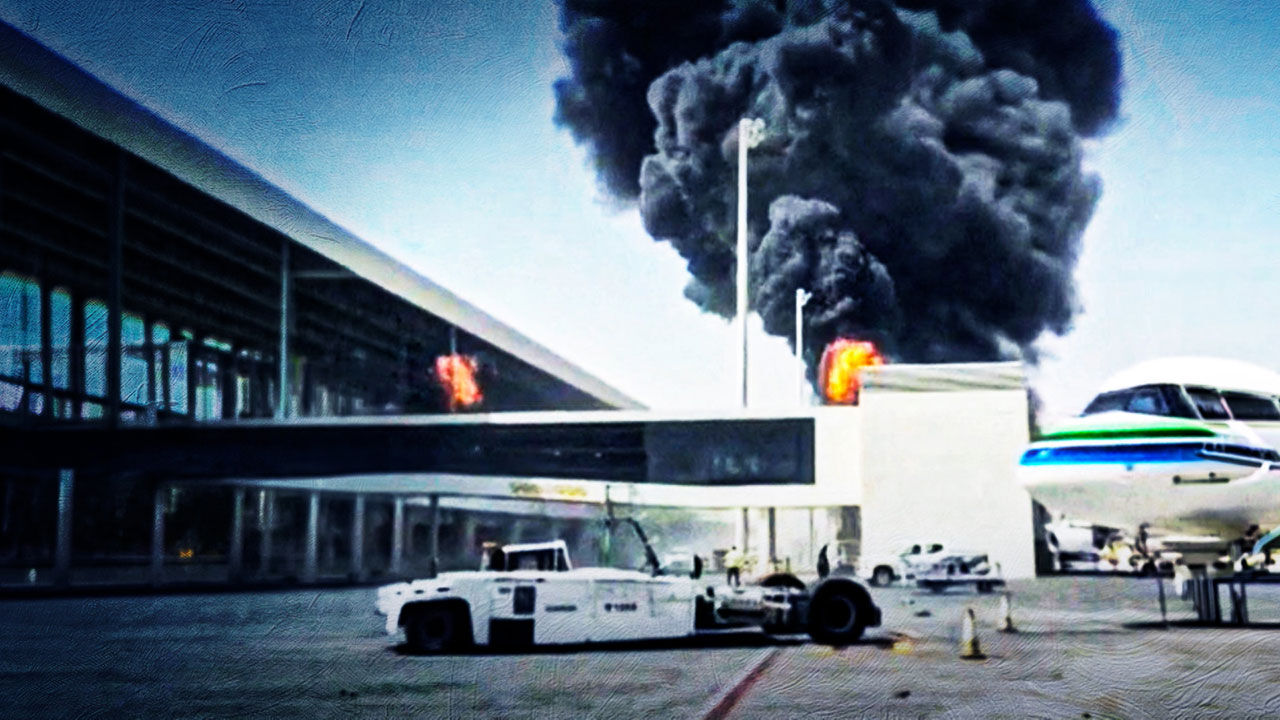
Summary Saudi Arabia's capital Riyadh faced a sharp escalation in conflict after King Khalid International Airport was struck for the second consecutive day following a deadly barrage that claimed 12 civilian lives. According to Saudi-led coalition reports, an unidentified projectile hit Terminal 4 of the international hub on October 11, igniting a blaze while air defense systems intercepted a cruise missile nearby. The strikes have prompted airport authorities to shut down operations and transition all schools across Riyadh to remote learning.
The repeated bombardments come barely twenty-four hours after a previous missile assault on the airport killed 12 people—including four Saudis, two Bangladeshi nationals, and citizens from the United States, Egypt, and Jordan—while injuring over 300 others. Yahya Saree, military spokesperson for Yemen's Iran-aligned Houthi rebels, claimed responsibility for four broad operations over 24 hours, alleging retaliation for 124 coalition airstrikes. The Houthi military command claimed to have targeted King Khalid International Airport across three phases, alongside strikes against Aramco gas facilities in Shedgum and Tanajib, as well as King Fahd International Airport in Dammam.
South Korean news outlets and foreign desks closely monitor these developments, as geopolitical instability and aviation disruptions across key Gulf hubs directly impact global transport corridors, international safety, and Middle Eastern stability. With Houthi spokespersons issuing warnings against commercial airlines and civilian travelers utilizing Saudi airspace—excluding the holy sites of Mecca and Medina—authorities in the region remain on maximum alert while assessing structural damage and safety conditions.
Sponsored · Ad