Flight Bomb Threats and Refrigerator Hacks Plunge European Airports and Supply Chains into Chaos
Key Points
- Multiple European commercial flights were diverted or grounded alongside emergency searches after receiving false bomb threats.
- Cyberattacks struck cooling systems across UK meat distributors and German supermarkets, sparking fears of coordinated asymmetric sabotage.
- Major Korean broadcast media highlighted the events as examples of escalating hybrid security challenges disrupting global travel and food supply chains.
Summary Europe is grappling with a wave of severe security disruptions following a series of coordinated bomb hoaxes targeting flights and cruise ships, alongside widespread cyberattacks on commercial refrigeration networks.
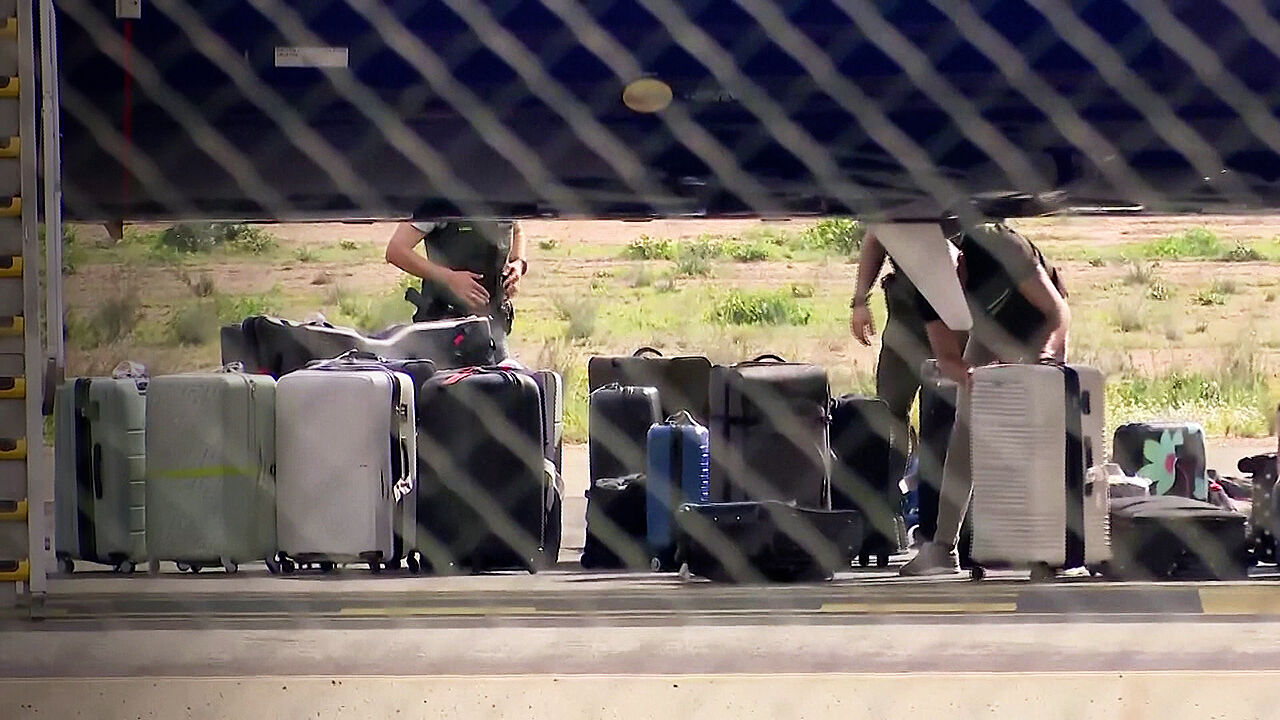
According to reports broadcast on SBS 8 News by Paris correspondent Kwon Young-in, multiple European flights were forced into emergency diversions and airport operations were paralyzed due to bomb threats. In one alarming incident on November 3, a flight traveling from Manchester, England to Murcia, Spain carrying around 120 passengers and crew was directed to an isolated tarmac area immediately upon landing. Explosive detection dogs and bomb disposal squads thoroughly searched baggage unloaded onto the runway, resulting in a two-and-a-half-hour shutdown of the airport before officials confirmed it was a hoax. Over the course of a single day, at least six European flights—including a UK-to-Poland service—received similar threats, leading to emergency landings and sudden airport closures across the continent. Bulgarian Transport Minister Georgi Gvozdeykov (reported as Georgi Peyev) confirmed that standard security protocols were enacted and aircraft were searched, finding no explosive devices. A cruise ship docked in Greece was also subjected to an emergency inspection following a similar threat.
Compounding the chaos, cyberattacks targeting food cold-chain systems have expanded across Western Europe. Following incidents reported across nine European nations on November 2, fresh attacks were confirmed at two meat distribution facilities in the United Kingdom and four supermarkets in Germany, where cooling and freezing systems were hacked to spike temperatures. Cybersecurity experts noted that targeting industrial refrigeration does not require advanced technical capability and can be executed with high degrees of anonymity, complicating detection and attribution.
While European security agencies suspect state-sponsored actors may be orchestrating these hybrid disruptions to induce panic and economic instability, conclusive evidence has yet to be presented. For Korean audiences following international news via major domestic evening bulletins, the simultaneous disruption of critical infrastructure like aviation and commercial logistics highlights rising global vulnerabilities to asymmetric cyber and psychological warfare.
Sponsored · Ad