First Bird Flu Outbreak of the Season Hits Kyoto Poultry Farm, Triggering Cull of 200,000 Chickens
Key Points
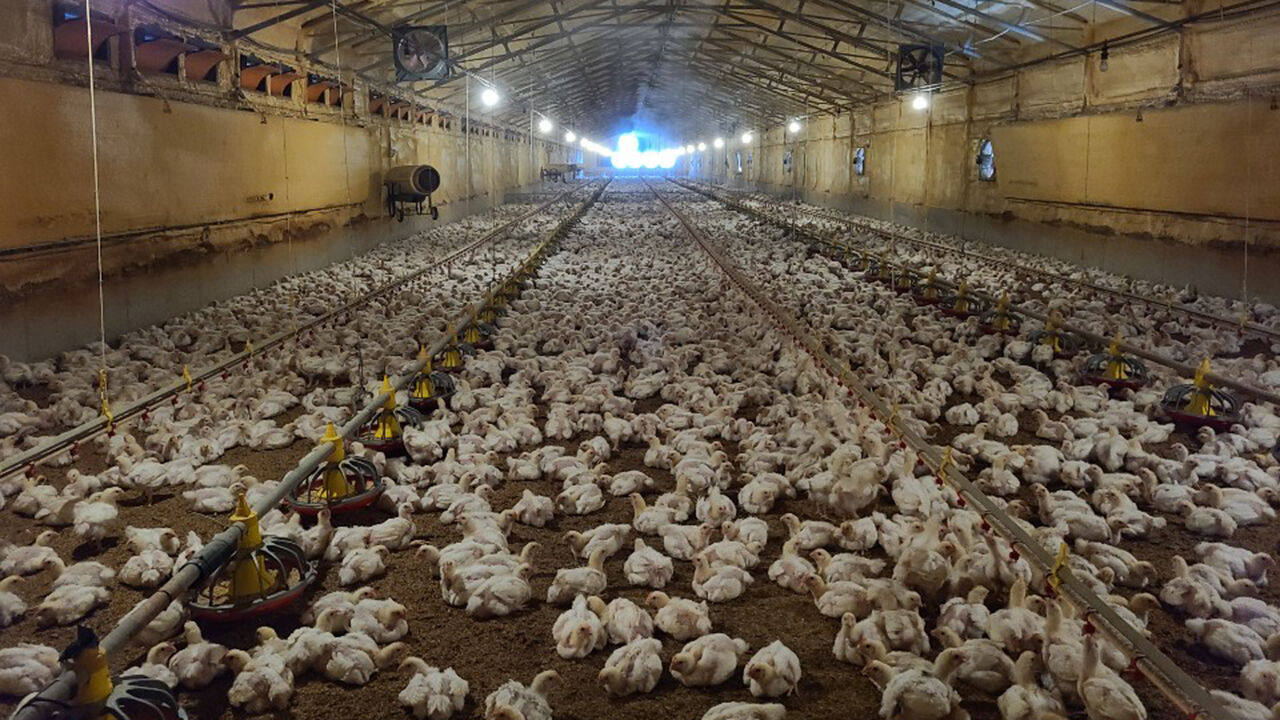
- Japan confirmed its first seasonal case of highly pathogenic H5 avian influenza at a poultry farm in Kameoka, Kyoto Prefecture, after 14 dead chickens tested positive.
- The outbreak marks the seventh consecutive year bird flu has hit Japan, prompting the government to convene emergency response meetings and cull 200,000 chickens.
- Authorities established strict transport restriction zones within a 10-kilometer radius while assuring the public that infected poultry and eggs will not enter the consumer market.
Summary Health and agriculture authorities in Japan have sounded the alarm after confirming the season's first case of highly pathogenic avian influenza (AI) at an egg-laying poultry farm in Kyoto Prefecture. The outbreak marks the seventh consecutive year that bird flu has struck Japanese commercial farms, signaling an early start to the seasonal risk window that typically spans from late autumn through the following spring.
According to Kyoto prefectural officials, abnormal bird deaths were reported at a poultry farm in the city of Kameoka, where 14 deceased chickens tested positive for the highly contagious H5 subtype virus following preliminary and subsequent genetic testing. In swift response to prevent the pathogen from spreading to neighboring operations, authorities initiated the culling of approximately 200,000 chickens housed at the facility. Strict quarantine perimeters have been enforced, establishing a 3-kilometer movement restriction zone barring poultry and egg transit, alongside an expanded 10-kilometer restriction zone prohibiting outbound shipments.
The Japanese central government moved quickly to contain public anxiety and coordinate a national response, setting up an information and crisis coordination room within the Prime Minister's Office. Government spokesperson Minoru Kihara urged heightened vigilance across all prefectures, warning that avian flu could emerge anywhere across the country. Meanwhile, the Ministry of Agriculture, Forestry and Fisheries dispatched specialist teams to investigate the exact transmission pathway and deployed dedicated road disinfection checkpoints surrounding the infected farm.
Kyoto Governor Takatoshi Nishiwaki assured consumers that contaminated meat and eggs are kept strictly off the market, noting that culling and comprehensive biosecurity disinfection procedures would take about a week to complete. In East Asia, the migratory bird season often brings heightened monitoring among agricultural bodies, as winter migrations routinely introduce avian influenza strains that can disrupt poultry supply chains and volatile egg markets.
Sponsored · Ad