Ohio Chemical Plant Explosion Forces Over 900 to Flee Amid Toxic Fume and Blast Fears
Key Points
- A chemical storage tank exploded at a facility in Toledo, Ohio, injuring at least one law enforcement officer and sending more than 20 residents to the hospital.
- The news trended across Korean media as authorities placed 900 residents under mandatory evacuation and warned of possible secondary explosions.
- The event underscores ongoing global scrutiny over chemical storage safety protocols and community hazard containment.
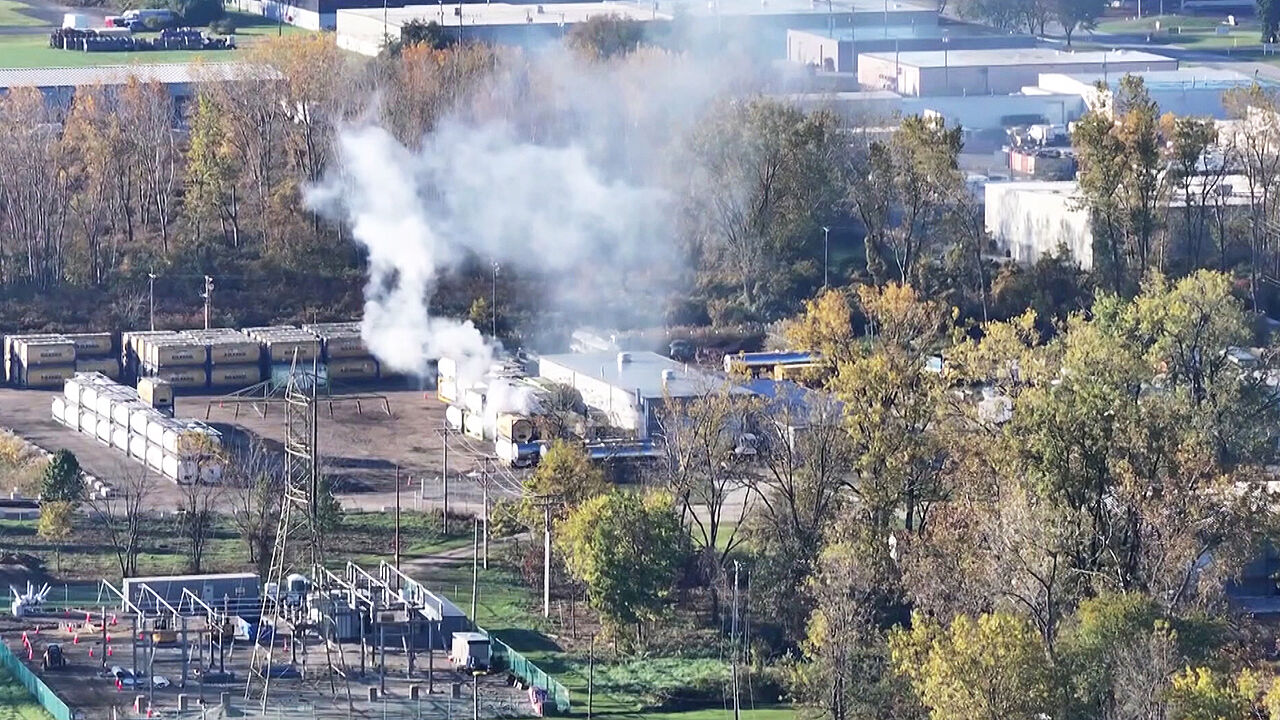
Summary A massive chemical storage tank explosion at an industrial plant in Toledo, Ohio, triggered immediate emergency evacuations and shelter-in-place orders, sending shockwaves through the local community and capturing international headlines in South Korea.
According to reports broadcast by SBS News, thick smoke blanketed surrounding roads and neighborhoods, reducing visibility to zero as local emergency response teams rushed to secure the scene. Authorities quickly enforced an immediate mandatory evacuation order for approximately 900 residents living within a one-mile radius of the blast, while an order to stay indoors was issued for those within a three-mile radius.
Toledo Mayor Wade Kapszukiewicz raised alarm during an emergency briefing, stating that gases were actively venting and expressing deep concerns over adjacent tanks potentially causing a chain-reaction blast. The incident resulted in at least one injured sheriff's deputy, and over 20 local residents were transported to hospitals for medical care. Area schools were also shut down immediately to safeguard children from airborne exposure.
Residents recounted terrifying scenes, with some describing intense chemical smells that caused burning sensations in the nose and throat as smoke infiltrated their homes. The facility operator stated that the ruptured tank contained chemicals intended to boost paint-coating performance. While initial hazmat evaluations and the Ohio Environmental Protection Agency did not detect immediate toxic air levels, authorities warned that contact can lead to burning skin, and excessive inhalation may trigger nausea, dizziness, and vomiting.
For South Korean viewers, international industrial safety incidents frequently draw heightened public attention and sympathy. Having navigated their own high-profile industrial hazard debates and stringent civil protection protocols, Korean audiences actively follow how overseas municipalities manage chemical venting risks, rapid perimeter evacuations, and secondary explosion hazards.
Sponsored · Ad