Record Numbers of Koreans Flock to Japan as Weak Yen Drives Autumn Travel Surge
Key Points
- Over 1 million Koreans visited Japan in October, marking an all-time monthly high with a 19.4% increase compared to the previous year.
- The surge is largely driven by a combination of the 'super-weak' Japanese yen and the high demand for autumn leaf-viewing trips.
- Despite a slight overall rise in foreign tourists to Japan, visitor demographics are shifting, with Korean travelers now holding the largest share while Chinese visitor numbers continue to decline.
Summary The recent wave of Korean tourists visiting Japan has hit a historic high, with official data showing over one million arrivals in October alone. According to the Japan National Tourism Organization (JNTO), the number of Korean visitors rose by 19.4% compared to the same month last year. This trend cements Korea’s position as the leading source of foreign tourism to Japan, reflecting a robust and ongoing interest in short-haul international travel.
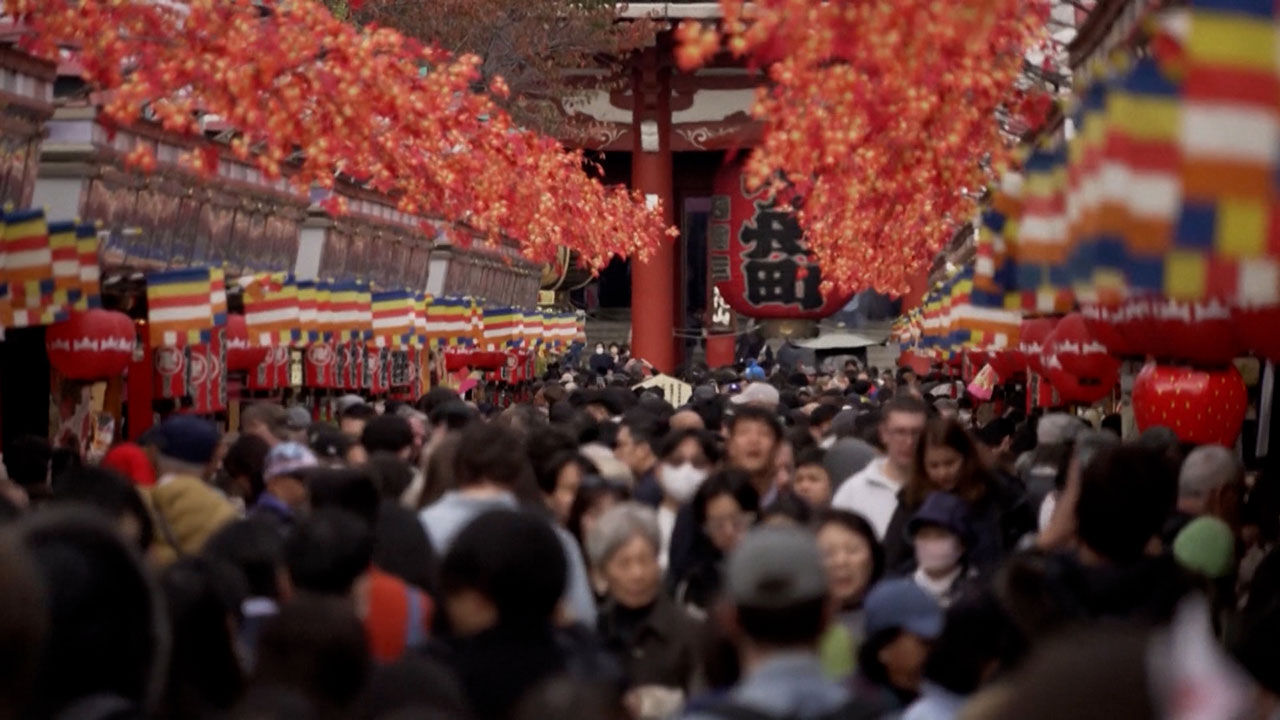
Two key factors are fueling this 'Japan travel fever': the historically weak Japanese yen—often referred to in the Korean media as 'super-yen weakness'—and the quintessential autumn foliage season. For many Koreans, the favorable exchange rate makes Japan an incredibly attractive and cost-effective destination for quick getaways. The timing perfectly aligns with the autumn months, when travelers flock to Japanese cities and scenic spots to witness the changing colors of the leaves, a highly anticipated annual event that resonates deeply with travelers who enjoy the seasonal aesthetic.
While the overall number of foreign visitors to Japan has seen a modest rise of 0.4%, totaling over 3.9 million, the composition of these tourists is shifting significantly. In sharp contrast to the massive surge in Korean visitors, Chinese tourism to Japan has plummeted by 47% compared to the previous year. This marks 11 consecutive months of decline, largely attributed to regional diplomatic tensions and resulting travel advisories. As travel patterns continue to evolve in the East Asian region, the record-breaking influx of Korean tourists serves as a testament to the powerful influence that economic purchasing power and seasonal cultural experiences exert on international tourism.
Sponsored · Ad