U.S. Marine Arrested in Okinawa Murder, Triggering Nationwide Backlash and Crisis for Japanese Government
Key Points
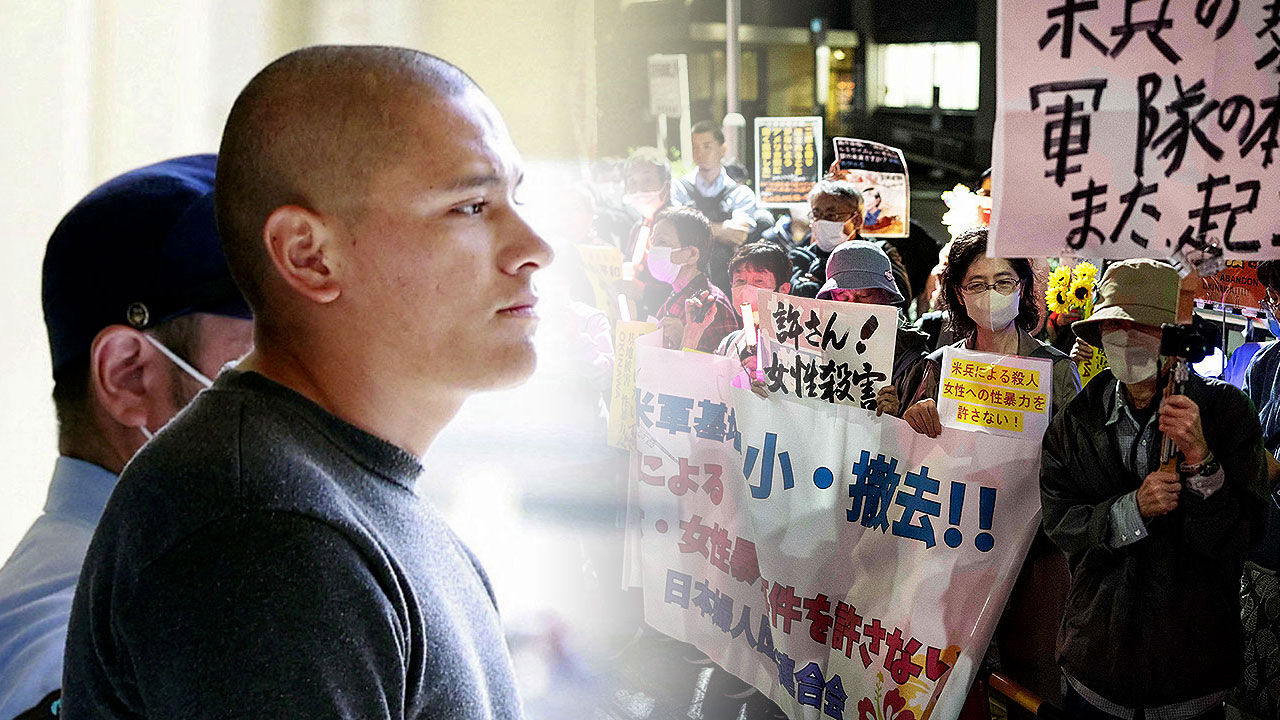
- A U.S. Marine stationed in Okinawa was arrested on charges of robbing and murdering a Japanese woman in her 30s at a local hotel.
- The incident sparked large-scale protests that spread to Tokyo, raising severe alarms for Prime Minister Sanae Takaichi's administration and military readiness plans.
- U.S. military presence in Okinawa remains a historical flashpoint, where base crimes surpassed 100 cases last year for the first time in 22 years amidst prolonged disputes over Futenma Air Station.
Summary The arrest of a U.S. Marine stationed in Okinawa on charges of robbing and murdering a local Japanese woman has ignited a fierce political and public backlash across Japan, placing the central government in a deeply precarious position. According to Japanese police, Private First Class Devin Jacob Ballard was taken into custody following the October 3 incident at an Okinawa hotel, where he allegedly robbed and killed a woman in her 30s.
The tragic incident has intensified long-standing grievances surrounding the presence of American military personnel on the southern island. Okinawa hosts the vast majority of U.S. military installations in Japan, a concentration that has historically triggered severe local tension. A central point of friction is Marine Corps Air Station Futenma, infamous for its location directly in the middle of a densely populated residential area. Futenma was dubbed 'the world's most dangerous base' following the notorious 1995 kidnapping and sexual assault of a local schoolgirl by three American servicemen—an event that fundamentally reshaped post-war regional politics.
In response to the latest arrest, Japanese Prime Minister Sanae Takaichi issued a strong official protest to Washington, demanding full cooperation with the criminal investigation, strict reinforcement of military discipline, and robust measures to prevent recurrences. Defense Minister Koizumi similarly summoned the commander of U.S. Forces Japan. A Prime Minister's Office official noted that these urgent diplomatic actions reflect an acute sense of crisis at the highest levels of government.
This crisis directly threatens Tokyo's broader defense and foreign policy agenda. Just last month, a local election in Okinawa resulted in a victory for a conservative candidate backed by the ruling Liberal Democratic Party (LDP), marking the first conservative governor in 12 years over a progressive rival advocating for the complete closure of Futenma. The central government had viewed this victory as a green light to reinforce military capabilities centered around Okinawa to counterbalance regional security pressures, specifically from China.
However, mounting civilian fury has thrown those defense plans into disarray. Crimes committed by U.S. military personnel in Okinawa reached 101 cases last year, surpassing the 100-mark for the first time in 22 years. Public anger flared even higher after the newly elected Okinawa governor was seen smiling during a press conference while addressing the incident. With anti-base demonstrations spreading from Okinawa all the way to the Prime Minister's official residence in Tokyo, the Takaichi administration now faces a dual challenge: defending its regional security posture while managing plummeting public approval ratings.
Sponsored · Ad