Hackers Loot 3 Million Yen in Just 4 Seconds: Cyber Blackmail Crisis Hits Japan with Daily Data Leaks
Key Points
- Hackers exploited leaked customer credentials from Japanese IT giant GMO to execute 14 unauthorized foreign exchange transactions in four seconds, siphoning 3 million yen before threatening daily noon
- The incident has sparked significant regional interest across Korean and East Asian media as public outrage grows over corporate mishandling of data and inadequate consumer compensation.
- With cyberattacks shifting from simple data harvesting to active financial manipulation and extortion, Japanese authorities and tens of thousands of affected consumers are mounting urgent legal and po
Summary In an alarming cybercrime wave sweeping Japan, severe personal data breaches have triggered direct financial losses and high-stakes corporate extortion. The incident has drawn widespread attention across East Asian media outlets, including major South Korean broadcasters, reflecting shared regional anxieties over digital asset security, automated trading platforms, and corporate accountability in handling user privacy.
According to Japanese media and SBS correspondent reports from Tokyo, a male resident in his 30s suffered catastrophic losses when 14 unauthorized foreign exchange trades were executed in a span of just four seconds—between 11:40:59 PM and 11:41:03 PM. The unauthorized trades resulted in a staggering loss of 3 million yen (approximately 25 million Korean won or roughly 20,000 USD). The trades were carried out without the victim's knowledge via an FX trading service provided by Japanese tech conglomerate GMO, utilizing credentials compromised in a recent data leak.
While GMO pledged to fully compensate victims for direct trading losses, the cyber crisis rapidly escalated. The perpetrators issued an extortion demand seeking 1 million USD by noon, threatening to publish leaked personal records if their ransom was not met. When GMO refused compliance, the attackers published what they labeled "Victim No. 1," revealing unverified personal details including a victim's full name, date of birth, home address, and children's names, while threatening to release additional identities daily at noon.
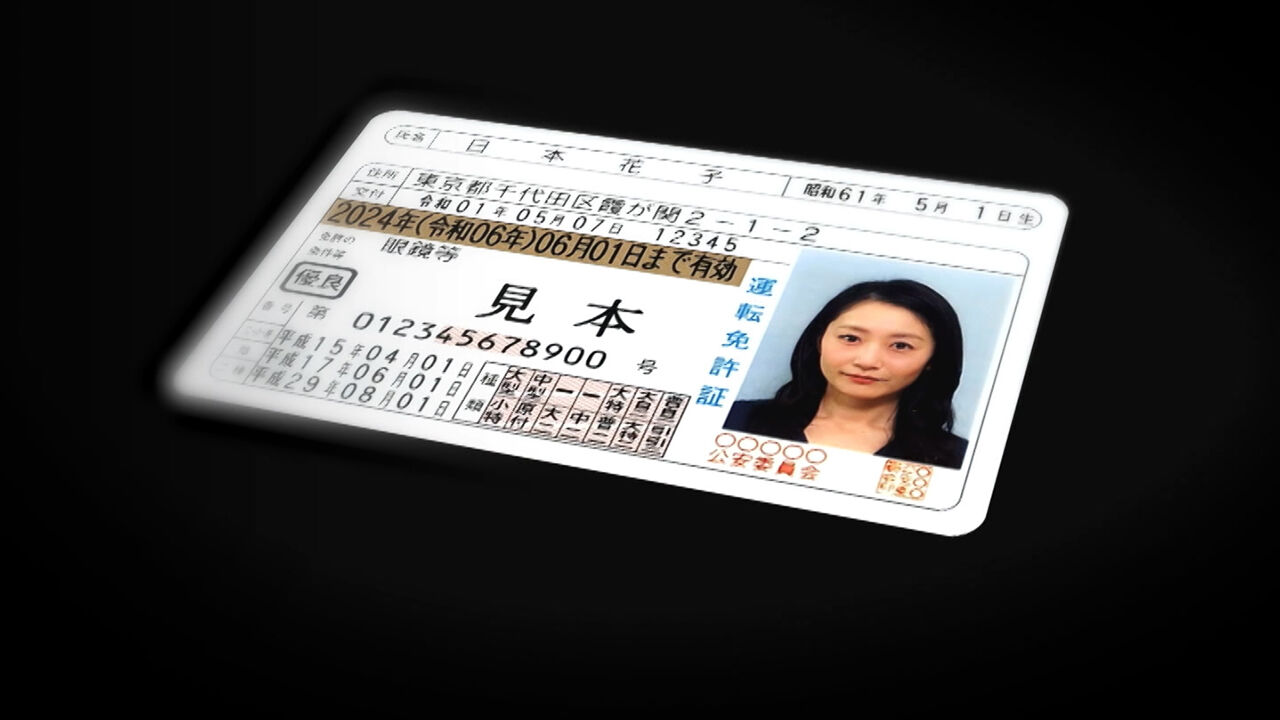
Compounding public outrage, widespread dissatisfaction over corporate responses has sparked collective legal action across Japan. Car-sharing service Times Car recently faced massive backlash after offering a meager compensation voucher of 3,000 yen (approx. 25,000 won) per person following a leak of 1.46 million driver's license copies, prompting over 100,000 victims to prepare legal action. With cyber extortion escalating into identity theft threats, government officials convened ministerial emergency meetings, though skepticism remains high over whether administrative measures can stem further abuse of compromised data.
Sponsored · Ad