Fire at US National Nuclear Laboratory Put Out with No Off-Site Radiation Leaks
Key Points
- A fire erupted at the Savannah River National Laboratory in South Carolina, leading to a temporary site emergency, traffic halts, and one minor injury before being extinguished.
- Korean outlets covered the incident prominently due to acute domestic public interest in nuclear safety standards, waste management, and international defense facilities.
- Originally established in the 1950s for plutonium and tritium production, the site now houses roughly 13,000 workers and focuses on national security, nonproliferation, and radioactive cleanup.
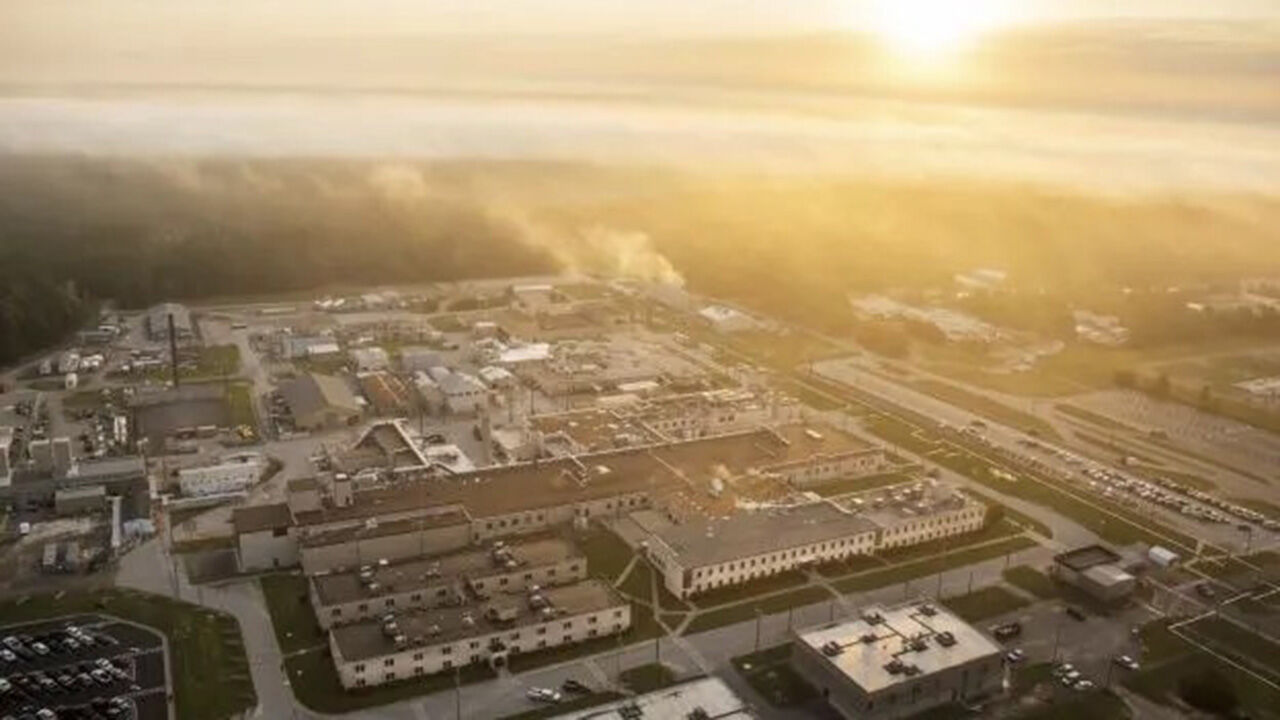
Summary A fire broke out at the Savannah River National Laboratory within the Savannah River Site in South Carolina on the afternoon of October 28, prompting an emergency declaration and temporary shutdowns of surrounding transit networks before being brought under control with no off-site radioactive contamination detected.
According to reports, local authorities received reports of a fire at the national laboratory southeast of Augusta, leading to an official site-wide emergency declared at 5:39 PM. Emergency responders quickly evacuated staff and extinguished the flames, while regional air, rail, and river traffic in the immediate vicinity were temporarily restricted as a precautionary safety measure. The emergency status was formally lifted at 9:45 PM later that evening. Facility officials confirmed that one person sustained minor injuries, but rigorous environmental monitoring revealed no release of radioactive contaminants beyond the site perimeter. The exact cause of the blaze remains under investigation.
The Savannah River Site, operated under the U.S. Department of Energy, holds considerable historical and geopolitical significance. Established in the 1950s during the Cold War to produce essential nuclear weapons components—notably tritium and plutonium—the site originally operated five nuclear reactors that came online between 1953 and 1955. Following the end of the Cold War, the complex pivoted heavily toward the treatment of liquid radioactive waste, nuclear material management, and extensive environmental cleanup of local surface water and groundwater.
Today, the site employs around 13,000 federal personnel and civilian contractors. It remains a cornerstone of U.S. defense infrastructure as the nation's sole supplier of tritium and a designated hub for modern federal initiatives aimed at reviving large-scale nuclear warhead manufacturing capabilities. The Savannah River National Laboratory itself originated in 1951 to provide technical support for the complex before being formally designated as a National Laboratory in 2004, focusing on environmental remediation technologies, nuclear waste management, and global nonproliferation research.
While foreign environmental and industrial mishaps are common international news staples, South Korean media outlets routinely monitor developments at major international nuclear installations with heightened vigilance. Given Korea's own ongoing domestic public debates surrounding nuclear energy policy, radioactive waste disposal, and regional nonproliferation security, international safety alerts at high-profile nuclear defense facilities reliably draw focused coverage from major Korean news desks.
Sponsored · Ad