How the U.S. Midterm Elections Could Directly Impact South Korean Wallets and National Security
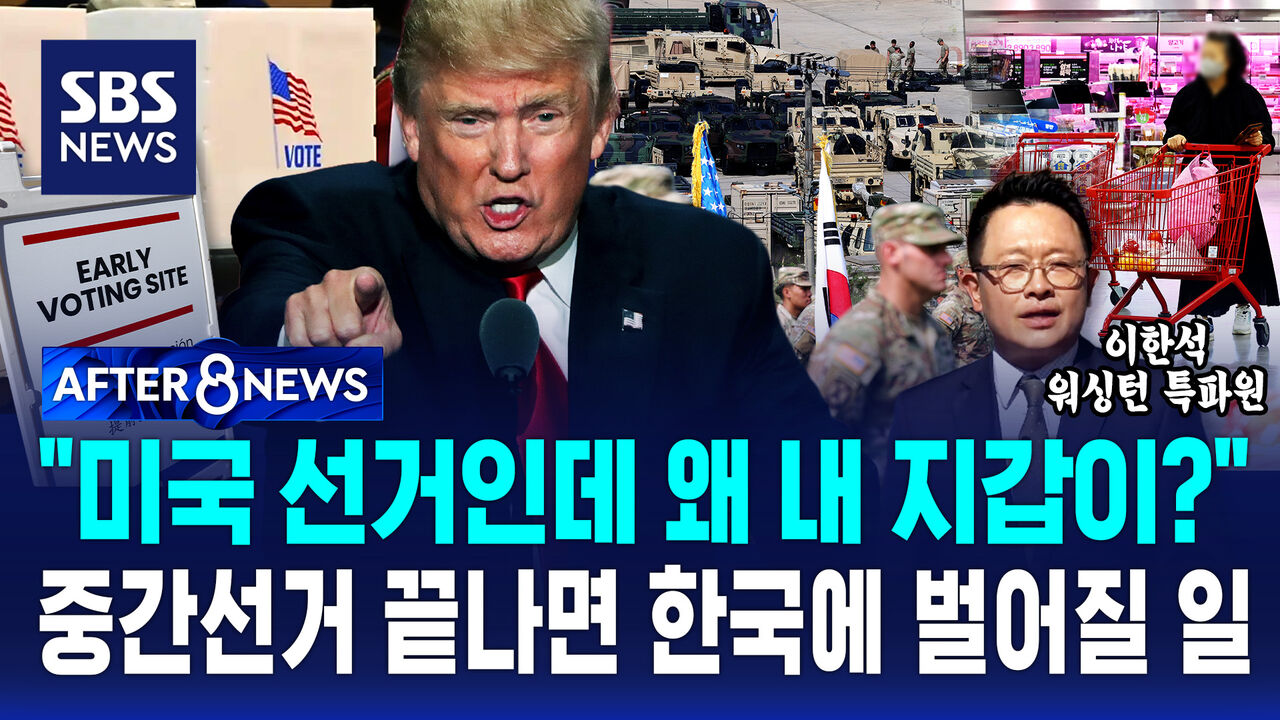
Key Points
- South Korea is closely watching the upcoming U.S. midterm elections, where congressional control could reshape U.S. trade policy, interest rates, and defense commitments.
- The outcome directly touches South Korean companies that invested billions in U.S. factories, as well as retail investors with massive U.S. stock holdings and citizens concerned over defense burden-sh
- While a divided Congress may provide checks and balances against tariff shocks and fiscal volatility, experts emphasize that American economic nationalism will remain a lasting challenge regardless of
Summary The upcoming United States midterm elections are drawing intense scrutiny from South Korea, where the political outcome across the Pacific is seen not merely as foreign domestic news, but as a critical determinant of the nation's economic and defense future. With both chambers of the U.S. Congress on the line, Korean analysts and the general public are weighing how shifts in power between the Republicans and Democrats could ripple through corporate investments, currency markets, and national security commitments.
Major South Korean export conglomerates in semiconductors, electric vehicles, and rechargeable batteries have poured tens of billions of dollars into building manufacturing facilities on American soil. Despite these historic capital expenditures, Korean companies remain under pressure from protectionist trade policies and escalating tariff threats. If the Democratic Party captures control of the House of Representatives, observers anticipate stronger legislative oversight and budgetary checks on unilateral executive tariffs. Conversely, should the Republican Party retain bicameral control, pressure on Korean firms to ramp up domestic U.S. production and hire American workers is expected to intensify further.
Beyond corporate boardrooms, ordinary South Korean citizens are keeping a watchful eye on currency exchange rates and bond yields. Individual South Korean investors—often colloquially termed 'Seohak Gaemi' or 'Western ants' for their extensive holdings in overseas equities—hold over 100 trillion won in U.S. securities. A split Congress could dampen fiscal spending and debt issuance, potentially cooling elevated interest rates and stabilizing the Korean won against the U.S. dollar, whereas continued single-party dominance could prolong turbulent market swings.
National defense constitutes another pivotal issue, particularly concerning cost-sharing agreements for United States Forces Korea (USFK). Amid concerns over transactional alliance diplomacy and heightened demands for Seoul to shoulder a larger share of stationing costs, South Korean policymakers view a supportive U.S. Congress as an essential institutional safeguard. Historically, legislative mechanisms like the National Defense Authorization Act (NDAA) have constrained unilateral troop drawdowns, underscoring the enduring significance of congressional leadership in preserving stability across the Korean Peninsula regardless of who triumphs at the polls.
Sponsored · Ad