Real-Life R2-D2? US Air Force Tests Portable AI Co-Pilot System 'Murdoch'
Key Points
- The U.S. Air Force Air Mobility Command is flight-testing 'Murdoch,' a portable AI assistant developed by Beacon AI across three transport and tanker aircraft models.
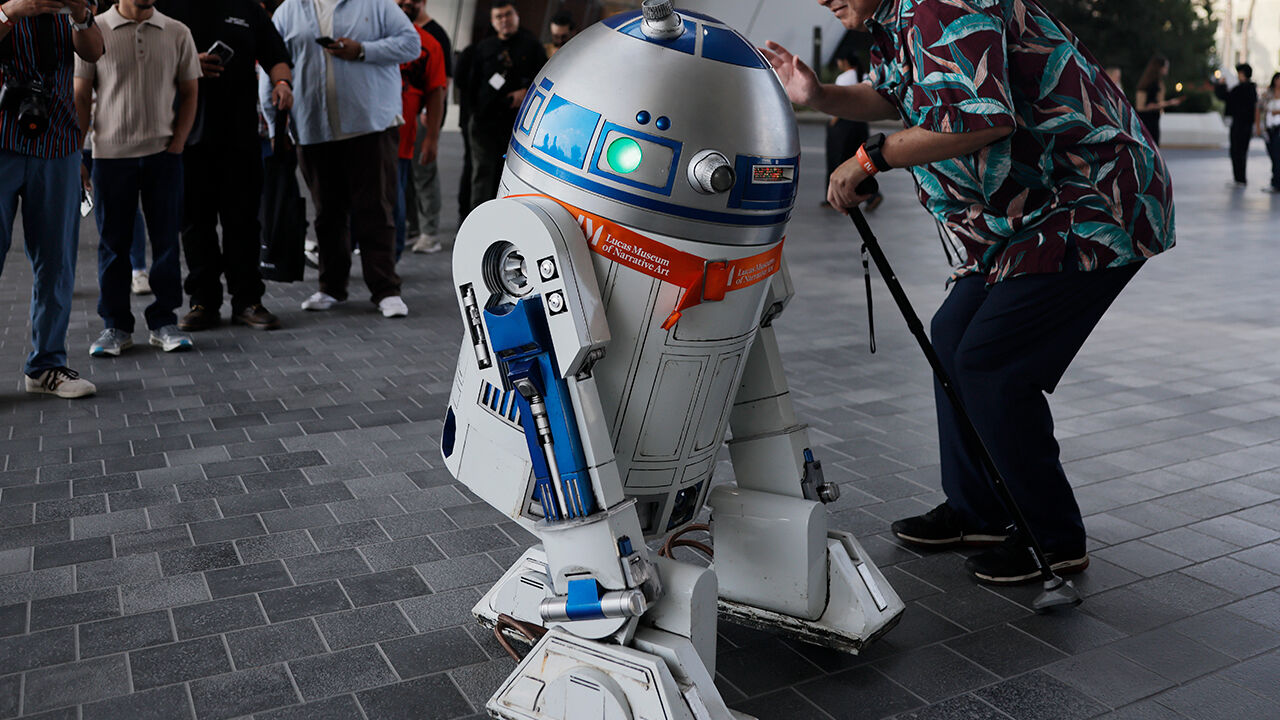
- The development is drawing attention as startup co-founder Matt Cox described the system as an 'R2-D2 for pilots' that assists cockpit decision-making without altering flight hardware.
- Backed early on by OpenAI CEO Sam Altman, the project exemplifies rapid advancements in AI co-pilot systems that assist human operators without taking direct control of critical flight mechanics.
Summary The United States Air Force has begun testing a portable artificial intelligence assistant designed to support human pilots in flight, drawing comparisons to Star Wars' iconic droid R2-D2. Developed by California-based startup Beacon AI, the system—dubbed "Murdoch"—is currently undergoing trial flights across three types of U.S. Air Force aerial refueling and transport aircraft.
Rather than seizing primary flight controls, Murdoch functions as an advisory co-pilot. Packaged in a compact, portable case, the system connects directly to an aircraft's existing avionics without requiring extensive airframe retrofits. It collects and processes onboard electronic sensor data in real time, assisting pilots with pre-flight taxi and takeoff checklists, route optimization, and operational readiness checks—such as monitoring crew fatigue.
Beacon AI co-founder Matt Cox highlighted the technology by comparing it to Tesla's Autopilot for aviation, dubbing it an "R2-D2 for pilots." The trial flights stem from a formal contract with the U.S. Air Force Air Mobility Command, alongside another agreement signed with the U.S. Special Operations Command. Beacon AI plans to expand trials to additional aircraft, including one large and one small airframe model. Notably, the startup's early financial backers include OpenAI CEO Sam Altman.
In South Korea, reports highlighting the intersection of science fiction imagery and defense technology often capture significant public curiosity. Popular culture references like Star Wars provide an intuitive lens for Korean audiences to understand high-tech military modernizations, especially as interest in practical AI deployments continues to surge across national media.
Sponsored · Ad