Racket Smashed 6 Times and Cooler Punched: Tennis Star's On-Court Meltdown Sparks Calls for Disqualification
Key Points
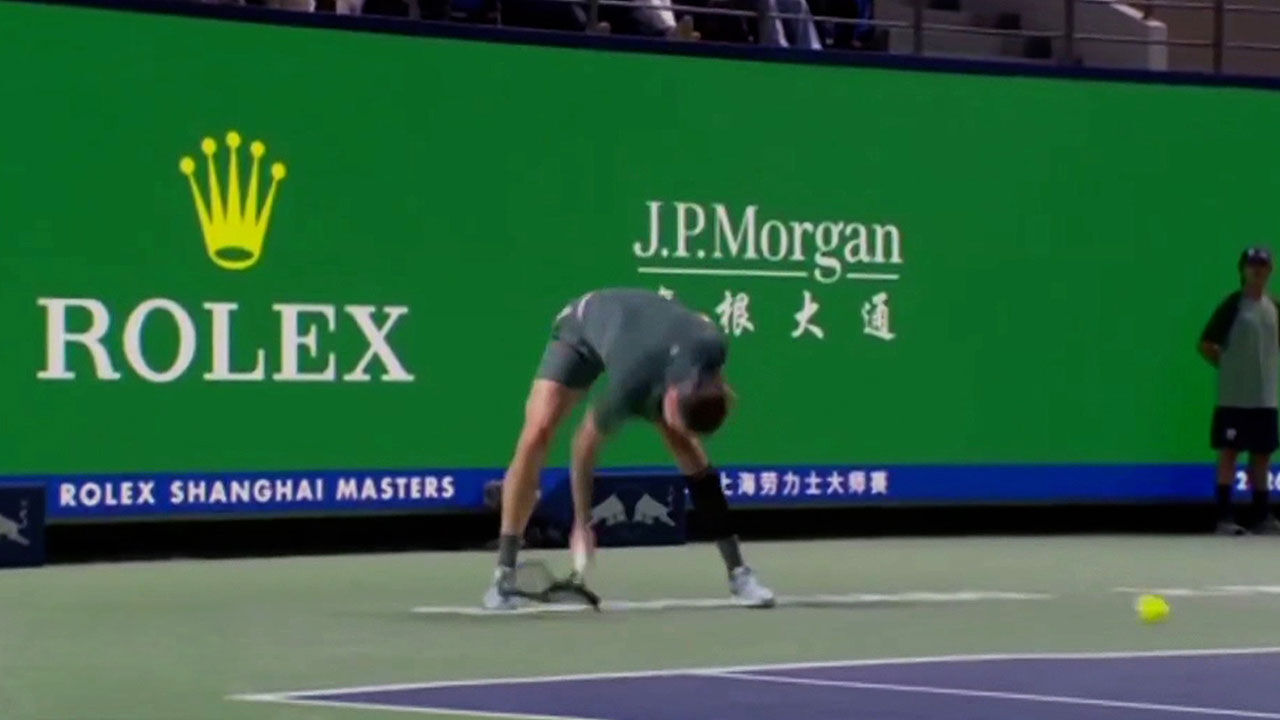
- During a tournament in Shanghai, Kazakhstani tennis player Alexander Bublik violently smashed his racket six times, kicked a bench, and punched a cooler until his hand bled.
- After receiving a medical timeout for his injured hand, he returned to win the match in a comeback, triggering widespread outrage and demands that he should have been disqualified instead.
- The incident trended heavily among sports fans, highlighting heated debates over sportsmanship, athlete conduct rules, and whether self-inflicted injuries warrant medical timeouts.
Summary A shocking display of on-court temper at a tennis tournament in Shanghai, China, has sparked intense debate across social media and major sports news desks, including prominent coverage in South Korea. During a tense match, Kazakhstani tennis player Alexander Bublik suffered an extraordinary emotional meltdown following the loss of a set, unleashing a flurry of destructive actions that left spectators stunned and prompted widespread calls for an immediate disqualification.
According to broadcast reports, Bublik aggressively smashed his tennis racket against the court floor no fewer than six times in rapid succession, completely destroying the equipment. His anger did not stop there: he proceeded to kick the player bench and violently punched a courtside drinks cooler. The violent impact left his own hand bleeding, forcing the match to come to a halt while he requested a medical timeout for treatment.
Remarkably, after receiving medical care for his self-inflicted cut, Bublik returned to the court and managed to turn the tide, sweeping the subsequent two sets to claim a dramatic comeback victory. However, his on-court triumph did little to quell the brewing controversy. Global spectators and online viewers expressed intense indignation, arguing that violent behavior and destruction of tournament facilities cross the line of acceptable sportsmanship and should have warranted an outright default rather than a medical pause that allowed him to regroup and win.
In South Korea, where decorum, sportsmanship, and emotional discipline (*maum-gajim*) are considered paramount values in competitive athletics, Bublik's outburst quickly became a trending topic on sports portals. Korean sports enthusiasts and international tennis followers alike noted the paradox of a player gaining an advantage through a medical timeout caused by his own violent tantrum, sparking a broader conversation about tournament ethics, athlete conduct, and the enforcement of ATP disciplinary rules.
Sponsored · Ad