High-Rise Building Under Construction Collapses in Nairobi, Sparking Urgent Fears of Trapped Victims
Key Points
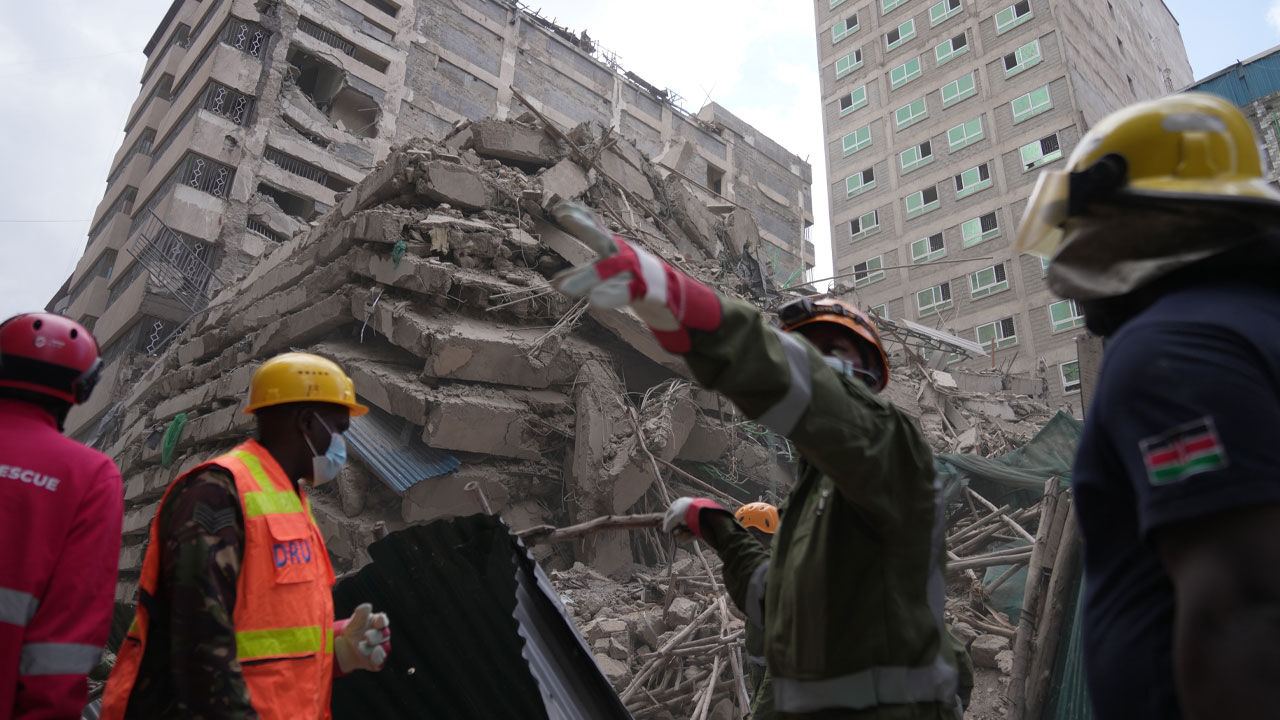
- An 18-story building under construction collapsed up to its 12th-floor framework in Nairobi's Eastleigh neighborhood.
- The incident drew immediate Korean media attention as lower commercial and residential floors were already occupied before completion, raising fears of numerous trapped casualties.
- The catastrophe highlights ongoing concerns over high-rise structural safety and construction site regulation in Nairobi following several recent deadly building collapses.
Summary A multi-story commercial and residential building under construction collapsed in Nairobi, Kenya, triggering intense search-and-rescue operations amid fears that multiple people may be trapped under the debris.
According to local administrative officials and reports from local outlets such as the Kenya Times, the incident occurred in Nairobi's Eastleigh district. The building had been planned as an 18-story high-rise, with construction having advanced to approximately the 12th floor. What makes the collapse particularly alarming is that the lower levels, including the ground floor, were already occupied and operational with retail shops and rental residential spaces while upper-floor construction continued overhead. Because people were actively living and shopping inside at the time of the collapse, municipal authorities voiced grave concern that numerous occupants and bystanders could be buried beneath the wreckage.
This catastrophe adds to a worrying pattern of structural failures in Kenya's capital. Just days prior, on October 17, a building undergoing demolition in Nairobi's Central Business District (CBD) collapsed, injuring four workers. Recent incidents also include the collapse of a 22-story building under construction in Westlands that claimed the life of a construction worker, and the January collapse of a 16-story residential project in the South C neighborhood that left at least two people dead.
The report drew significant attention across international news desks in South Korea, where recurring building collapses—both domestic historical tragedies and international urban infrastructure failures—frequently strike a deep chord with the public. South Korean readers closely track infrastructure safety standards and urban development oversight, viewing catastrophic structural failures as critical cautionary tales regarding rapid urban expansion, regulatory enforcement, and public safety safeguards.
Sponsored · Ad