Russia to Share Probe Results After Fatal Plague Leak at Siberian Lab
Key Points
- A female researcher died of pneumonic plague in Siberia after accidentally breaking a test tube containing the pathogen at a research institute.
- Approximately 200 contacts have been quarantined, though Russian authorities and the WHO report that the general public health risk remains low.
- The Kremlin confirmed that full epidemiological findings from consumer and welfare authorities will be made public as bilateral cooperation offers emerge.
Summary Russian authorities have announced that epidemiological findings will soon be released following a deadly pathogen leak at an anti-plague research institute in Siberia, an incident that has drawn international attention and heightened public health monitoring across global media, including major South Korean networks.
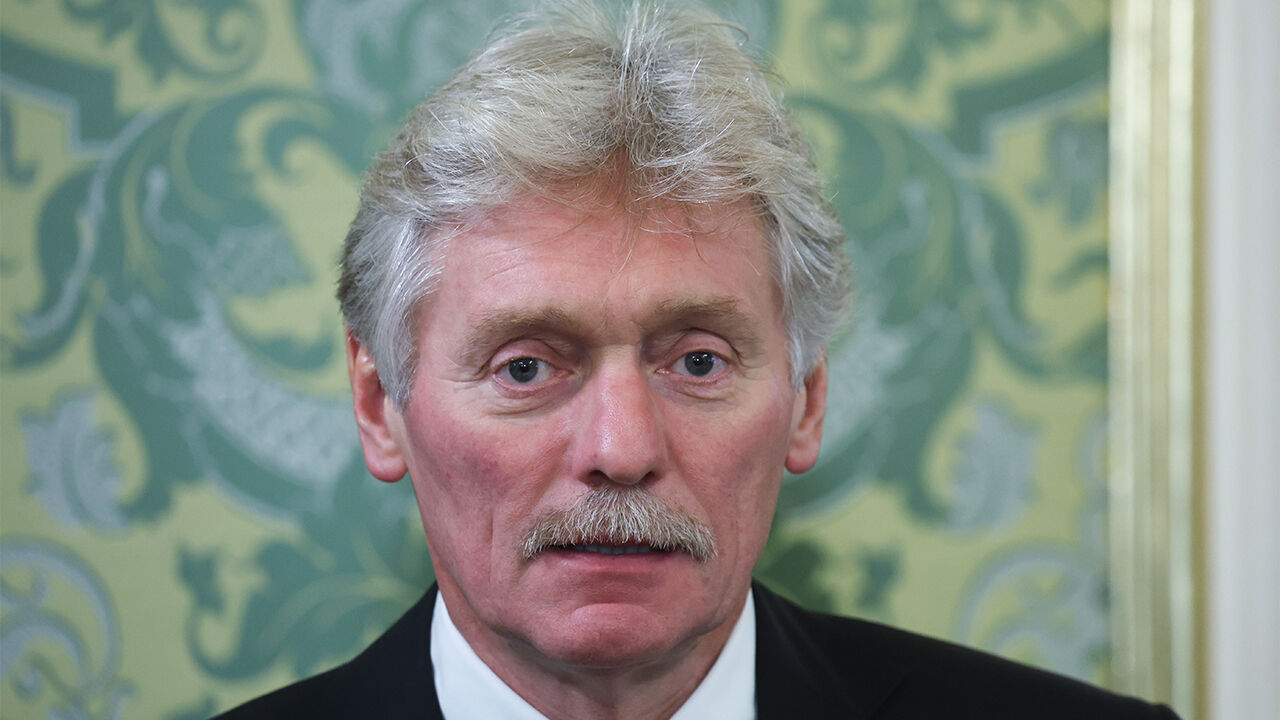
According to Russian presidential spokesperson Dmitry Peskov, an official epidemiological investigation is currently being spearheaded by Rospotrebnadzor, Russia's consumer rights and human welfare watchdog. The incident originated at the Irkutsk Anti-Plague Research Institute when a female researcher accidentally dropped and shattered a test tube containing plague pathogens. She was hospitalized four days later suffering from severe pneumonia and tragically succumbed to the infection shortly thereafter.
Pneumonic plague is exceptionally dangerous because unlike bubonic plague, which spreads via flea bites or direct animal contact, pneumonic plague can be transmitted through respiratory droplets in the air. While antibiotics can successfully treat the infection if administered early, the disease carries an extremely high fatality rate if left untreated, often claiming lives within one to six days. Following the researcher's death, around 200 individuals who were in contact with her were placed under quarantine at a local hospital in Shelekhov.
Despite the alarming nature of the breach, the World Health Organization (WHO) evaluated the incident, stating that the public health risk to the general population appears low. Russian sanitary officials also reported that preventative measures for potential contacts are entering their final stages and the local epidemiological environment remains stable. Peskov also welcomed prospective international cooperation, noting that reciprocal assistance is positive after U.S. President Donald Trump indicated a willingness to support Russia in handling the situation. While the news is an international health dispatch rather than domestic cultural news, Korean outlets closely track global biosecurity and infectious disease developments given the country's keen post-pandemic public awareness surrounding respiratory disease surveillance.
Sponsored · Ad