Cyberattacks Target Industrial Freezers Across U.S. and Europe, Spoiling Food and Triggering Fires
Key Points
- U.S. and European security agencies have warned operators of commercial refrigeration and cold storage facilities that hackers are exploiting vulnerabilities in internet-connected thermostats.
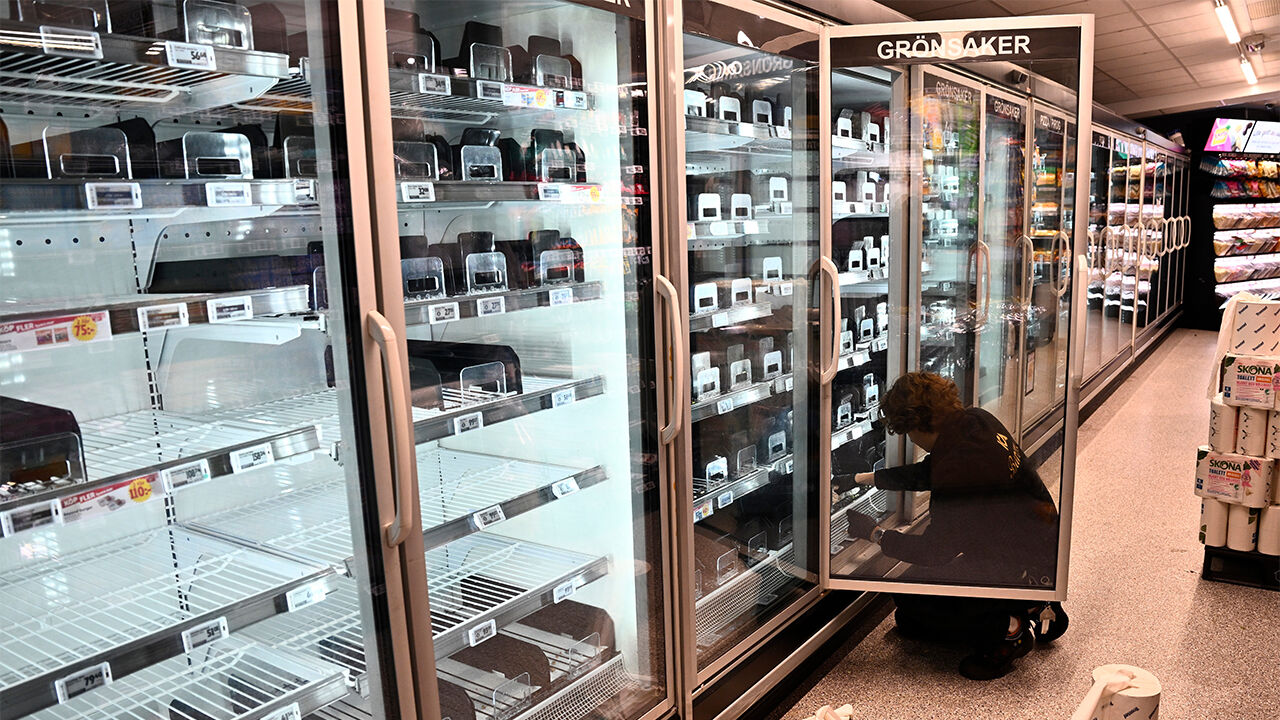
- The alert follows attacks that caused supermarket fires and massive food spoilage across France and other European nations, as well as suspected breaches at U.S. military base grocery stores.
- Authorities are urging operators to immediately isolate cooling controls from public networks to prevent catastrophic inventory loss and equipment damage.
Summary A wave of sophisticated cyberattacks targeting industrial refrigeration and cold storage facilities has prompted emergency warnings from government agencies across the globe. After widespread disruptions in European supermarkets and critical medical supply chains, United States federal authorities issued an urgent warning to cold chain operators to prepare for cyber sabotage.
According to a joint statement released by the U.S. Federal Bureau of Investigation (FBI), the Cybersecurity and Infrastructure Security Agency (CISA), and federal departments overseeing health, transportation, and agriculture, malicious hackers are actively exploiting vulnerabilities in internet-connected electronic thermostats and commercial refrigeration management controllers. Chris Butera, acting deputy director for cybersecurity at CISA, cautioned that any organization relying on temperature-monitoring and cooling systems must operate under the assumption that they are prime targets. Officials have urged facility operators to immediately disconnect sensitive cooling controllers from the public internet, isolate them from internal business networks, and rapidly deploy pending security patches.
The advisory comes amid a string of alarming physical incidents tied to digital breaches. In France, hackers manipulated the temperatures of industrial cooling units across hundreds of supermarkets, sparking fires, destroying massive quantities of perishable food, and causing damages estimated in the tens of millions of euros. Similar cyber incidents hit grocery chains in Sweden, Belgium, and Luxembourg, leaving shelves empty. Even more critically, three facilities under France's national blood agency suffered breaches where refrigeration temperatures were abnormally raised, highlighting potential threats to critical health infrastructure. In the United States, the Department of Defense is investigating unexplained cooling failures at domestic military base commissaries as suspected cyberattacks.
While Korean media monitored these developments closely from Seoul, reporting on how modern logistics and infrastructure vulnerabilities can jeopardize food security and essential supplies, the alerts serve as a stark reminder of the fragile intersection between connected IoT devices and physical real-world infrastructure worldwide.
Sponsored · Ad