Mongolian Nature Reserve Devastated by Wildfire Sparked by Japanese Telecom Executives
Key Points
- A weeklong wildfire burned through roughly 80% of Mongolia's Numrug nature reserve before being contained with the help of over 3,400 Chinese border personnel.
- Outrage erupted after reports revealed the fire was sparked by a vehicle carrying the Japanese CEO and executives of Mongolia's top telecom firm, allegedly engaging in illicit hunting and fishing.
- The incident has drawn sharp criticism across East Asian media and prompted the Mongolian government to seek damages and hold officials and corporate staff accountable.
Summary A massive wildfire that scorched roughly 80 percent of the Numrug Strictly Protected Area in eastern Mongolia has ignited fierce international backlash after investigations revealed the blaze was sparked by a vehicle carrying the Japanese CEO and top executives of Mobicom, Mongolia's largest telecommunications provider.
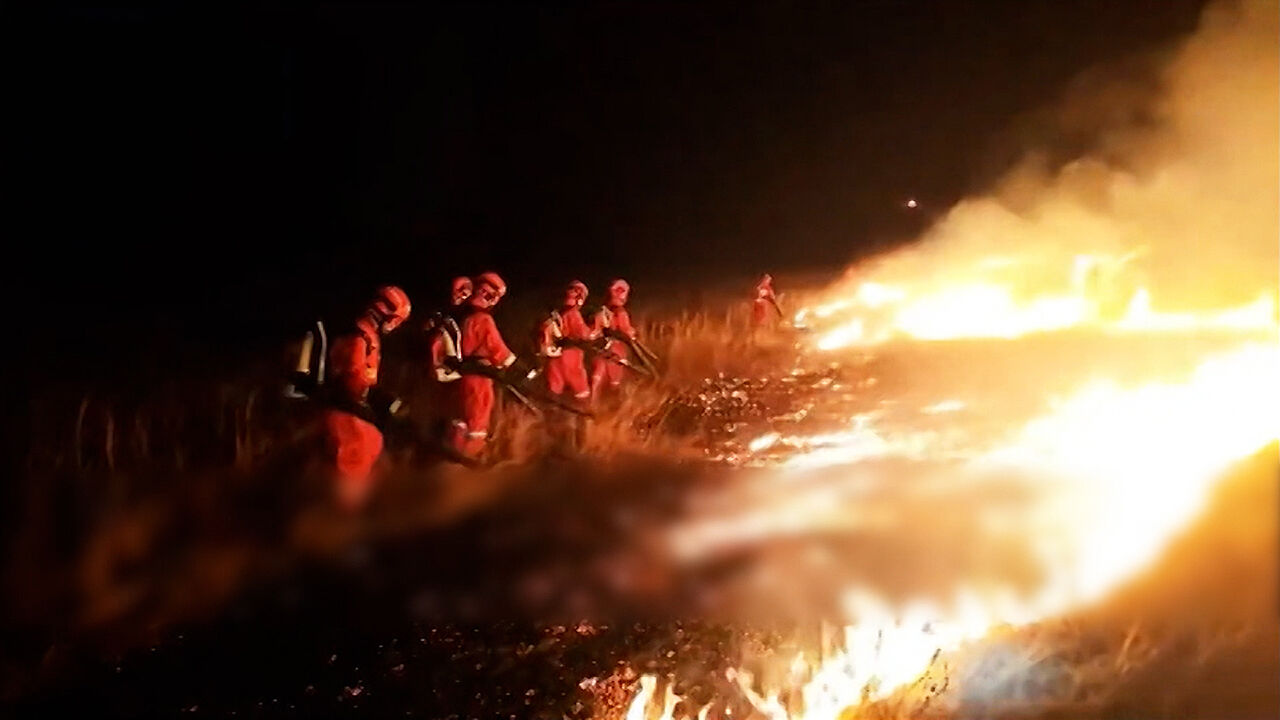
The fire broke out on October 8 across dry grassland terrain and burned relentlessly for over a week before being extinguished on October 16. Because the Numrug reserve borders China's Inner Mongolia Autonomous Region, Chinese emergency responders launched an emergency containment operation, deploying 3,400 personnel along a 330-kilometer border buffer zone to create firebreaks and prevent flames from crossing into Chinese territory.
Public outrage surged when Mongolian authorities and local reports disclosed that the fire originated from a vehicle occupied by Mobicom's Japanese leadership. The executives were reportedly engaged in illegal hunting and fishing inside the pristine reserve. While Mobicom initially claimed the visit was an officially permitted inspection trip for telecommunications network testing, mounting criticism prompted the company to issue an apology acknowledging the profound environmental fallout.
The incident has triggered diplomatic and regional friction across East Asia. Chinese state-run media condemned the Japanese-led enterprise, criticizing Mobicom for not addressing the transboundary harm caused to China. State English outlet Global Times demanded formal apologies to Beijing, pointing out that China incurred immense logistical and financial costs mobilizing thousands of firefighters day and night for a week. Meanwhile, Xinhua News Agency emphasized the multifaceted ecological damage inflicted on the fragile steppe biome.
In Mongolia, citizens and conservation advocates are demanding strict legal punishment for false explanations and environmental destruction. The Mongolian government announced formal investigations to hold border officials and Mobicom staff accountable, alongside steps to seek compensation for the extensive damage to the nature reserve.
Sponsored · Ad