Death Row Inmate's Confession Unveils Dark Secrets of Busan's Notorious 1960s Child Facility on 'Kokomu'
Key Points
- SBS investigative show 'Kokomu' revealed a confession letter from a long-serving death row inmate recounting his upbringing at Yeonghwasook and Jaesaengwon, an abusive child internment facility in Bus
- Surviving victims testified that children were routinely snatched off Busan streets, beaten, and had their names intentionally forged on registries so searching parents could never locate them.
- The case highlights the tragic post-Korean War era when displaced children and so-called 'vagrants' were forcibly rounded up into authoritarian welfare camps under the pretext of public order.
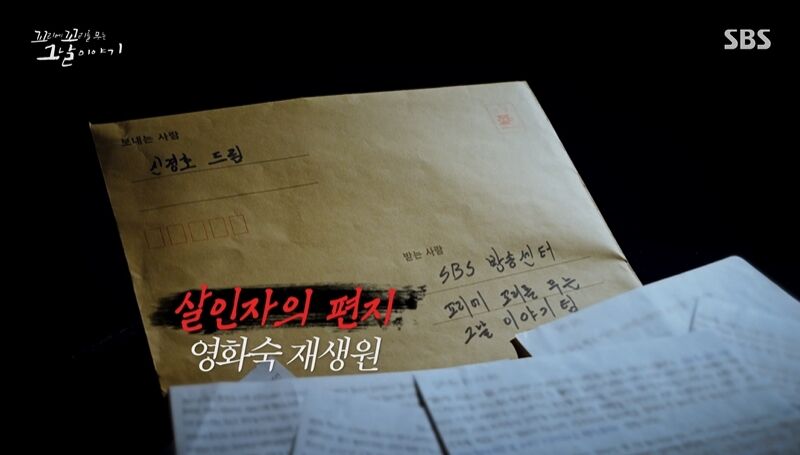
Summary A gripping episode of SBS’s hit investigative storytelling show *Bite to Bite: The Story of That Day* (popularly known in South Korea as *Kokomu*) has thrust one of the nation's darkest historical tragedies back into the spotlight. The broadcast originated from an unexpected letter sent to the production team by Shin Gyeong-ho (pseudonym), an inmate who has been imprisoned for 36 years after receiving a death sentence for murder in 1990. In his letter, Shin sought to repent not by making excuses, but by exposing the horrific reality of the state-tolerated welfare facility where his life began unraveling decades ago: the notorious Yeonghwasook and Jaesaengwon in Busan.
Following the Korean War (1950–1953), Busan served as the temporary wartime capital, swelling with displaced refugees, impoverished war survivors, and countless wandering street children known at the time as "buranga" (vagrants or destitute youth). Under the guise of rehabilitation and social cleanup, institutions like Yeonghwasook (poetically named "A School of Eternal Flowers") and Jaesaengwon ("Rebirth House") were established. Shin himself had been abandoned as an infant in a Busan vegetable market garbage bin in 1957 before being placed in the home. However, conditions took a catastrophic turn when a 32-year-old discharged military veteran named Lee Soon-young took over as director, bringing militaristic discipline, relentless abuse, and mysterious deaths.
As the show tracked down surviving victims who had been interned at the facility during their youth, shocking testimonies emerged showing that children were systematically abducted rather than rescued. Seven-year-old Yu Ok-soo was lured away with the promise of bread after briefly losing his mother's hand at Jagalchi Market. Twelve-year-old Lee Geun-soo and his two younger siblings were rounded up by neighborhood watch patrolmen while trying to sell chewing gum on Songdo Beach. Eight-year-old Ha Man-yoo was forcibly thrown into a truck simply while walking to elementary school in Haeundae because he appeared scruffy.
Upon arrival, the children were silenced with brutal beatings by club-wielding guards and deliberately stripped of their identities. Administrators deliberately reversed or altered the children's names and surnames on internal registry logs so that frantic parents searching the facilities would find no official trace of their missing sons and daughters. Packed into overcrowded, squalid barracks smelling of sewage, dozens of shaved-head children were forced to sleep in tightly wedged rows on their sides—a tortuous arrangement known in Korean as "kaljam" (knife-sleeping)—held together by strict physical discipline. Shin's confession, along with the vivid recollections of surviving victims, has reignited widespread public soul-searching over South Korea's hidden modern history of state-sanctioned confinement and human rights violations.
Sponsored · Ad