Speed Limits on the Front Line: How Starlink Throttling Paralyzed Ukrainian Drone Defense
Key Points
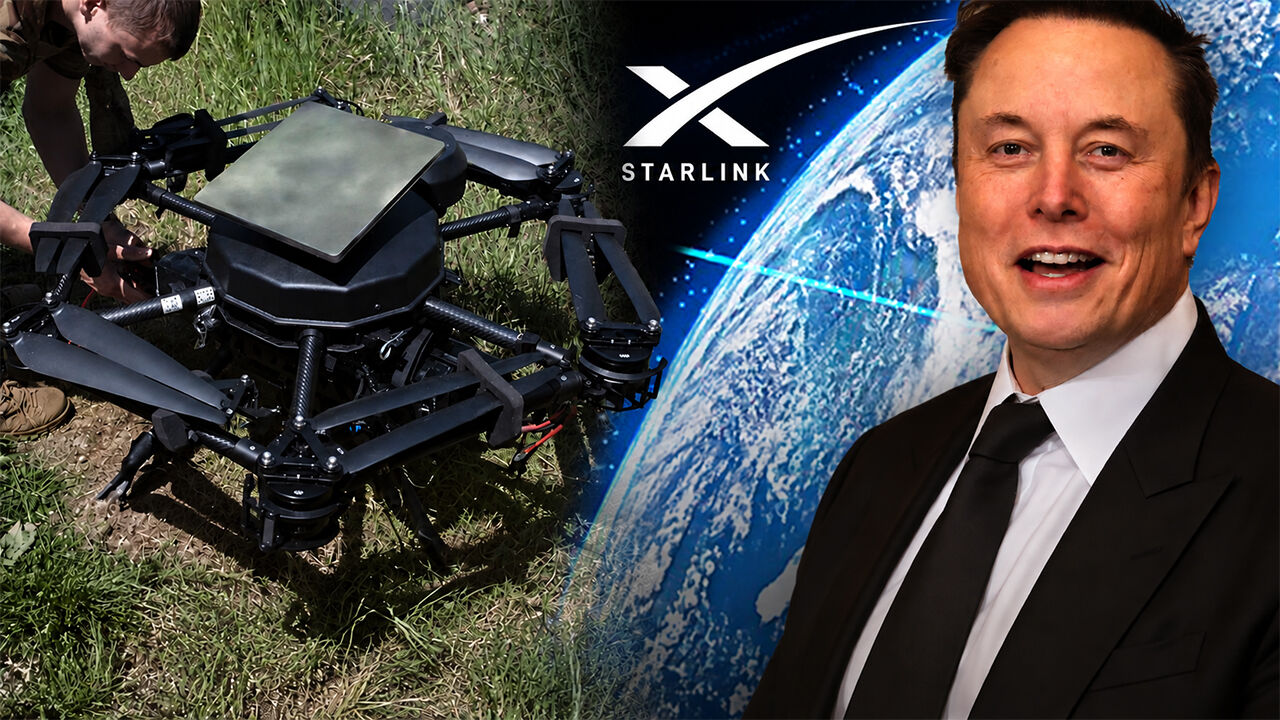
- Starlink and Starshield satellite services in Ukraine suddenly disconnected whenever terminals exceeded 160 km/h, disrupting missions against Russian drones until full service was restored.
- The incident sparked intense scrutiny in Korean tech and international defense analysis over who authorized the throttling—SpaceX or the White House.
- The controversy underscores a sobering reality in contemporary defense: critical wartime operations remain vulnerable when vital infrastructure is owned by private tech corporations.
Summary A recent report from SBS Premium explores how sudden speed caps on SpaceX's Starlink and Starshield satellite networks disrupted Ukrainian drone operations, bringing global debates on wartime reliance on private tech giants directly to Korean readers. In mid-October, terminals mounted on equipment traveling over 160 km/h were abruptly disconnected from the network, severely crippling Ukraine's ability to intercept fast-moving Russian Shahed drones and coordinate mid-range strikes in real time. Although normal operations were restored following diplomatic and administrative interventions, the episode highlighted severe vulnerabilities when critical defense infrastructure is controlled by private commercial entities.
Controversy escalated over who actually issued the restriction and why. Elon Musk cited alleged terms-of-service violations regarding weaponized drone deployment, while Ukrainian technical advisors countered that consumer Starlink services in the region had already been limited to sub-90 km/h and inactive over Russian territory. Meanwhile, conflicting US reports pointed alternately to internal White House directives amid sensitive geopolitical energy talks and unilateral decisions by SpaceX leadership.
For Korean observers, the report strikes a notable chord amidst growing national interest in domestic aerospace sovereignty, defense exports, and modern military tech. Korean media frequently dissect modern warfare through in-depth digital formats like SBS 'Soup' (스프, short for SBS Premium), examining how private corporate dominance over core communications can compromise national defense autonomy on the front lines.
Sponsored · Ad