Fed Chair Kevin Warsh Says U.S. Cannot Remain a Superpower Without AI, Outlines Three Economic Scenarios
Key Points
- U.S. Federal Reserve Chair Kevin Warsh announced the Fed has begun formal scenario analysis on how AI and superintelligence (SI) will affect the economy and monetary policy.
- The story is drawing strong attention in South Korea, where the tech-heavy economy closely tracks both U.S. interest rate policy and global AI investment trends.
- Warsh outlined three possible outcomes—broadly shared growth, job-disrupting automation, or an AI investment bust—while framing SI leadership as vital to U.S. superpower status.
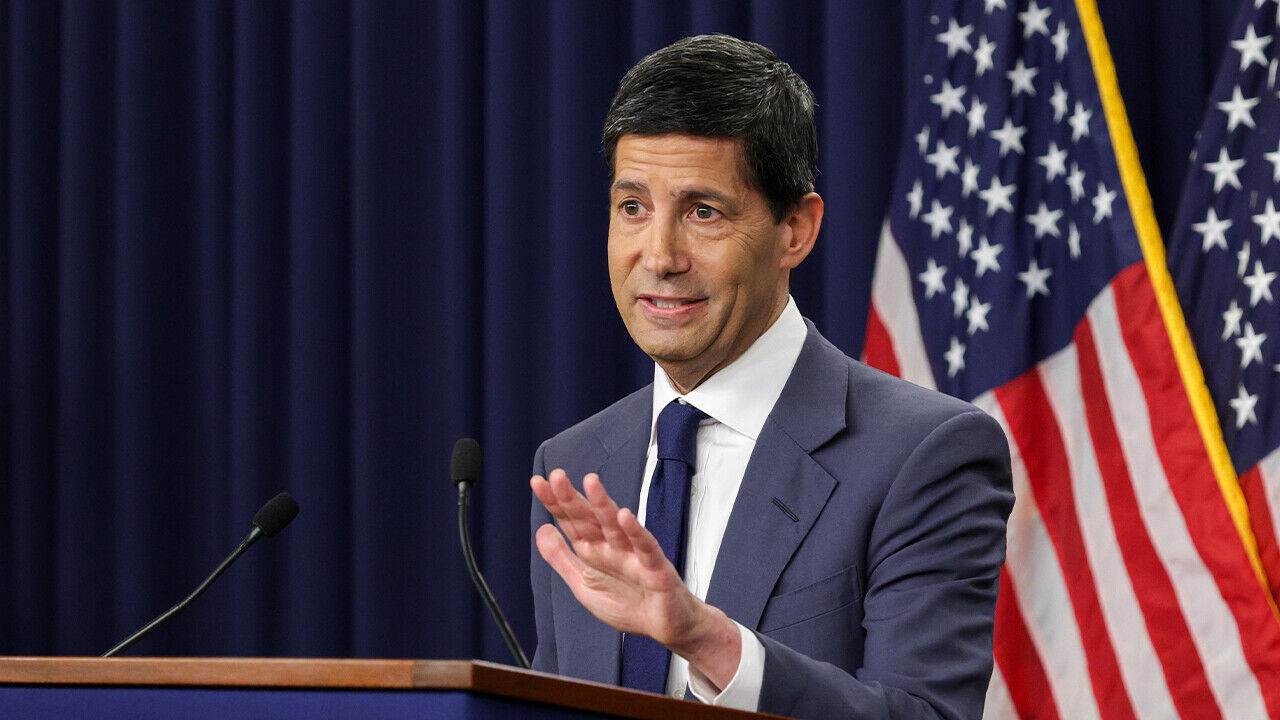
Summary In a closely watched speech in San Francisco, U.S. Federal Reserve Chair Kevin Warsh declared that artificial intelligence—and specifically "superintelligence" (SI)—is no longer just a tech industry buzzword, but a core pillar of national power. Speaking at the opening of the Fed's "Productivity and Jobs Task Force" conference on November 16, 2026, Warsh revealed that Federal Reserve Board staff have begun running formal, model-based scenario analyses to assess how AI could reshape the U.S. economy and future monetary policy.
Drawing on the late economist Robert Mundell's observation that the rise of the United States as a superpower was the most important fact of the 20th century, Warsh framed AI leadership as a mission the U.S. must uphold. "We must ask whether we can remain a superpower without SI," he said, adding that he cannot be neutral on the question of American leadership during a period of such immense challenge and possibility.
To prepare for what lies ahead, Warsh outlined three distinct economic scenarios the Fed is currently evaluating. In the first, optimistic scenario, superintelligence delivers widespread productivity gains shared across both workers and capital owners, pushing real GDP growth above long-term averages while maintaining full employment. In the second scenario, AI-driven expansion still lifts GDP growth above average, but widespread automation disrupts the labor market and drives up unemployment. In the third, cautionary scenario, AI fails to live up to the hype: after massive capital investment and a surge in stock prices, expected returns falter, equity values fall, and the economy slows down alongside a marked rise in unemployment.
While Warsh emphasized that the Fed's role is neither to champion nor oppose AI, he stressed that understanding its broad adoption is essential for future monetary policy. The conference marked the public debut of one of five task forces Warsh established after taking office to review the central bank's operations. For South Korean readers—whose export-driven economy is heavily tied to both U.S. monetary policy and global semiconductor and AI supply chains—the Fed's shift toward modeling AI-driven booms and busts is being watched with keen interest.
Sponsored · Ad