US and Japan Kick Off Record-Scale 'Keen Sword' Joint Military Drills Near Taiwan
Key Points
- The United States and Japan launched their largest-ever 'Keen Sword' joint military exercise, mobilizing 57,000 troops along with multinational forces across Kyushu and the Nansei Islands.
- The drill is drawing intense scrutiny across East Asia as it simulates island defense scenarios just over 100 kilometers from Taiwan using cutting-edge strike and air defense weaponry.
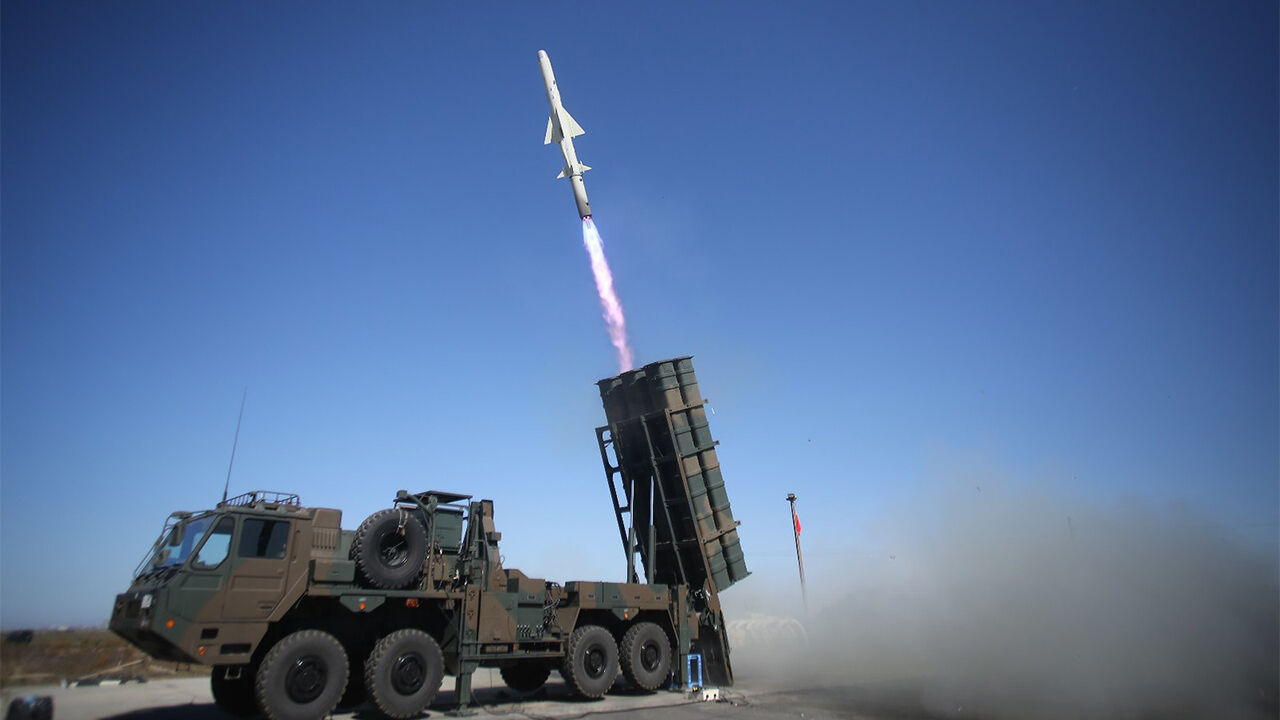
- The inclusion of Japan's new 1,000-km-range Type 25 anti-ship missile highlights Tokyo's historic shift from an exclusively defense-oriented posture toward possessing counterstrike capabilities.
Summary The United States military and the Japan Self-Defense Forces (SDF) have kicked off 'Keen Sword,' their biennial joint military exercise, on its largest scale in history. Running through October 29, the extensive drills mobilize approximately 45,000 personnel from Japan's Self-Defense Forces and 12,000 U.S. service members. In addition to longtime participants Australia and Canada, military forces from France, Germany, and the Netherlands have joined selected segments of the exercise.
Focused primarily around Kyushu and the Nansei Islands (the Ryukyu archipelago), the exercise is explicitly designed to strengthen deterrence and simulate combined crisis response should an adversary attempt an amphibious landing or assault stretching from southern Kyushu toward the waters east of Taiwan. Crucially, operations extend to Yonaguni Island—Japan's westernmost territory situated a mere 107 kilometers from Taiwan—underscoring heightening regional security concerns across East Asia.
Beyond traditional amphibious landings and missile defense drills, Keen Sword has expanded into newer operational domains, including space, cyberspace, and electronic warfare. The joint forces are deploying advanced systems such as the U.S. Navy and Marine Corps' NMESIS (Navy Marine Expeditionary Ship Interdiction System)—an uncrewed vehicle armed with anti-ship missiles exceeding 180 km in range—alongside MADIS (Marine Air Defense Integrated System) counter-drone air defense units and HIMARS rocket artillery.
Of particular geopolitical note is the deployment of Japan's Ground Self-Defense Force Type 25 surface-to-ship guided missile. Boasting an estimated range of roughly 1,000 kilometers, the weapon is theoretically capable of reaching coastal areas of mainland China and waters around Taiwan. As Japan moves beyond its strict, post-war 'senshu boei' (exclusively defense-oriented policy) doctrine toward acquiring counterstrike capabilities against enemy bases, the integration of such long-range strike systems represents a pivotal transformation in regional defense posture. General Hiroaki Uchikura, Chief of Staff of the Joint Staff, characterized the historic scale of the exercise as a direct reflection of a shared sense of crisis and operational necessity.
Sponsored · Ad