Japan Boosts Basic Science Funding as Nobel Prize Run Continues with 2026 Chemistry Honor
Key Points
- Tokyo University of Science professor emeritus Kenso Soai co-won the 2026 Nobel Prize in Chemistry for his discovery of the 'Soai reaction,' prompting the Japanese government to pledge expanded resear
- Japan ranks second in the world behind the United States with 22 natural science Nobel laureates in the 21st century, drawing widespread attention across East Asian media regarding the payoff of patie
- To counter concerns over lagging research output following its 'Lost 30 Years,' Japan has allocated a record 11-trillion-yen science budget to cultivate younger scholars and strengthen basic science c
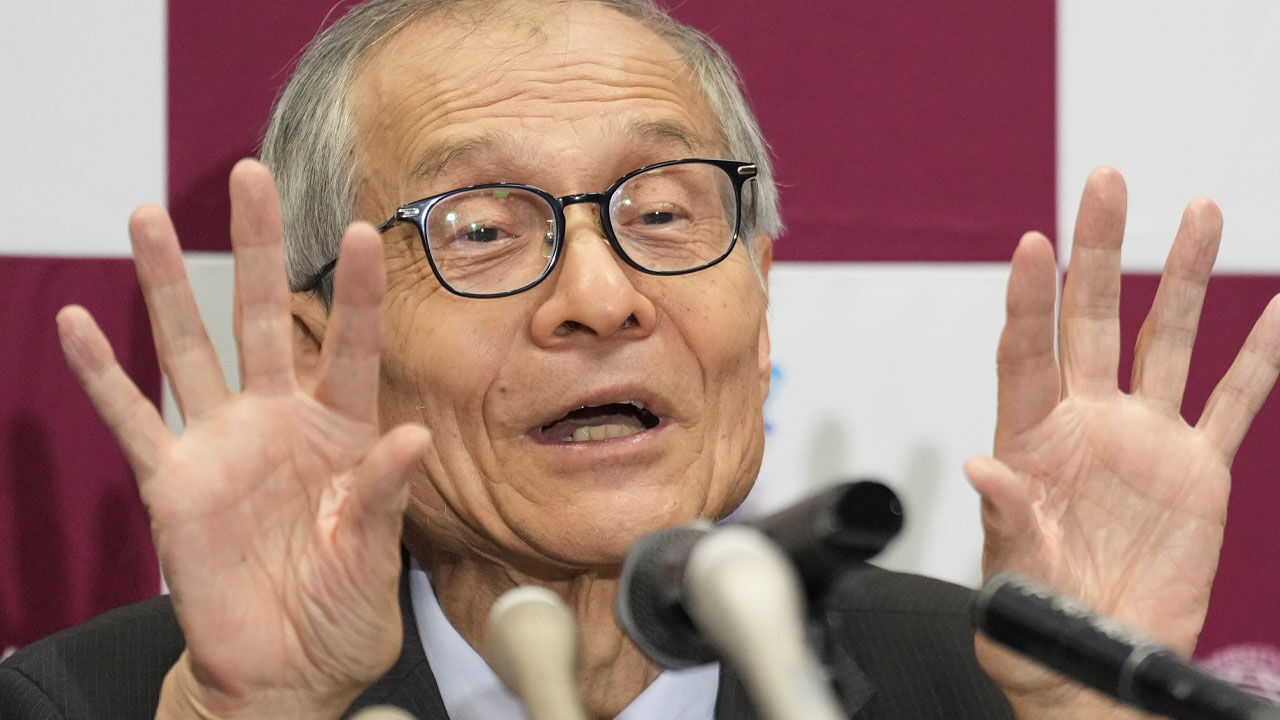
Summary Japan's continued dominance in the scientific arena was reaffirmed as the Japanese government welcomed the announcement of the 2026 Nobel Prize in Chemistry, awarded jointly to Kenso Soai, professor emeritus at the Tokyo University of Science. Speaking at a regular press briefing, Deputy Chief Cabinet Secretary Masanao Ozaki announced that Japan will actively expand state support for basic sciences to ensure that groundbreaking discoveries continue to emerge from the country's academic laboratories. The government pledged to foster creative early-career researchers and fundamentally bolster nationwide research and development infrastructure.
Following the announcement, Prime Minister Sanae Takaichi placed a congratulatory telephone call to Professor Soai, promising to expand Grants-in-Aid for Scientific Research (kakenhi) and operational subsidies for university corporations. Minister of Education, Culture, Sports, Science and Technology Yoshihiro Seki also reached out to the new laureate. In response, Professor Soai expressed heartfelt gratitude for the government's sustained backing, highlighting that the ministry's robust graduate student support system during his long tenure at the Tokyo University of Science provided the vital backbone needed to pursue uncharted frontiers. His pioneering discovery—an asymmetric autocatalytic organic reaction globally known as the "Soai reaction"—demanded decades of patient inquiry. Reflecting on the demanding nature of fundamental exploration, Soai metaphorically described scientific research as "navigating a pitch-black path with a lantern strapped to your head, moving forward blindly without even knowing if there is a mountain ahead."
Japan’s scientific achievements in the modern era are virtually unmatched outside the West. In the 21st century alone, Japan has produced 22 Nobel laureates across the three natural science categories (Physics, Chemistry, and Physiology or Medicine), trailing only the United States. In South Korea and throughout East Asia, Japan’s recurring Nobel sweep every October is watched with keen cultural and academic fascination. In regional media, Japan's track record is widely recognized as the fruit of massive, unconditional investments made during the economic boom of the 1970s and 1980s, when funding bodies patiently waited decades for research seeds to bear fruit rather than demanding short-term commercial applications.
Nevertheless, domestic and regional observers note that Japan faces critical headwinds. Decades of economic sluggishness during Japan’s "Lost 30 Years" led to tighter budgets and reduced security for younger researchers, raising anxieties that the next generation may struggle to match the output of their veteran predecessors. To reverse this momentum and secure its standing as a premier global knowledge hub, the Japanese government has drawn up an unprecedented science and technology budget of 11 trillion yen (approximately 93 trillion won) for the upcoming fiscal year, reiterating that curiosity-driven basic science remains the indispensable bedrock for human progress and technological innovation.
Sponsored · Ad