Spain's High-Speed Rail Faces Crisis After Second Fatal Crash Kills 68
Key Points
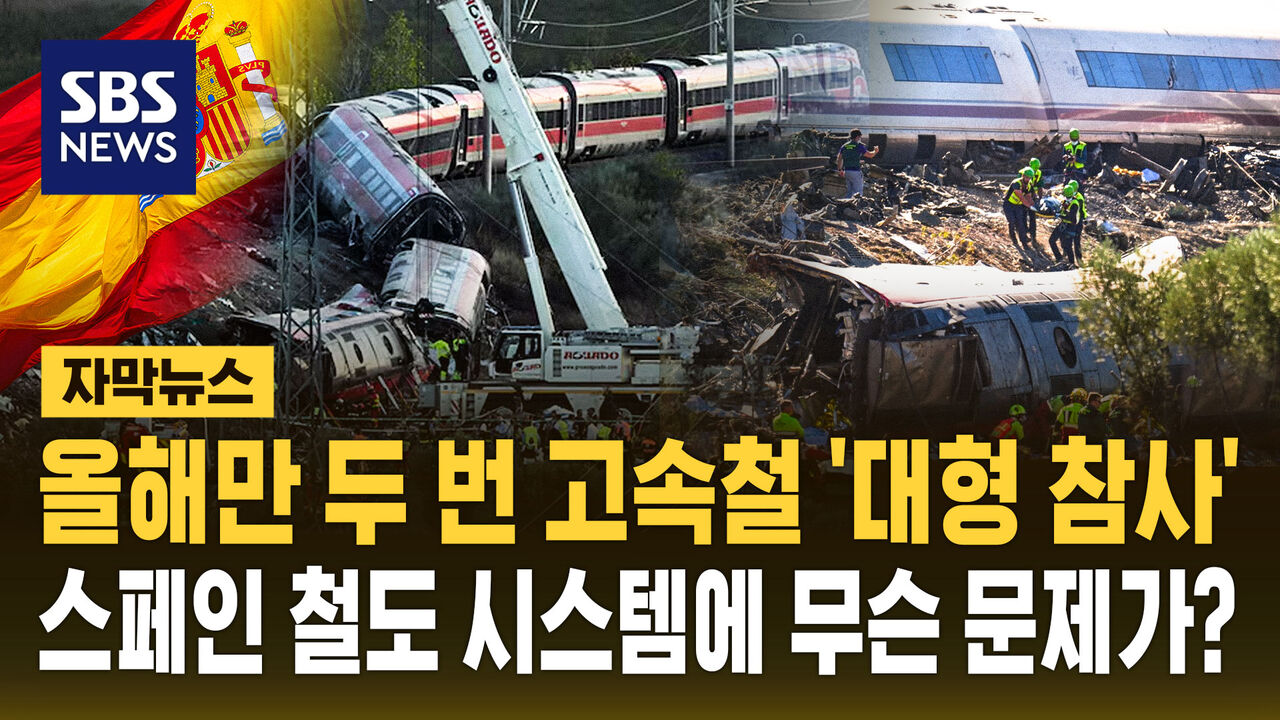
- A computer signaling failure and subsequent control center misdirection caused a state-run Renfe high-speed train to crash into a stopped private Iryo train on the Madrid–Andalusia line, killing 68 pe
- The catastrophe is trending in South Korean coverage as a shocking 'preventable man-made disaster,' noting it is the second fatal crash involving the exact same operators and route this year.
- Investigations highlight that while rail traffic surged 40% after market liberalization, only 16% of Spain's high-speed rail budget was spent on maintaining older lines, despite strike warnings from r
Summary Spain is facing intense public scrutiny and debate over its railway infrastructure following a second catastrophic high-speed train collision on the Madrid–Andalusia line this year, which claimed 68 lives. Authorities initially pointed to human error and computerized signal system malfunctions, but international media and safety observers are calling attention to severe structural failures and neglected maintenance.\n\nAccording to reports, a major computer glitch in railway security and signaling halted all trains on the line connecting the capital Madrid to southern Andalusia. However, the central traffic control center inexplicably instructed a state-run Renfe passenger train to resume service without any speed restrictions, causing it to rear-end a stationary train operated by private rail company Iryo. A nearly identical disaster occurred on the exact same route near Adamuz in January, resulting in 46 deaths and involving the very same two operators.\n\nWhile passenger traffic surged by 40% between 2019 and 2024 following the deregulation of Spain's passenger rail market, state spending on high-speed rail has heavily prioritized new construction over maintaining existing corridors. Out of a substantial 2.24 trillion won rail budget, only about 16% was allocated toward the upkeep of legacy infrastructure, even as labor unions warned of severe safety deficits and threatened strikes prior to the disaster. In South Korea, where the incident has drawn significant media interest, reports have labeled the catastrophe a 'developing-nation-style accident' (후진국형 사고), a Korean socio-cultural term used by commentators to describe avoidable man-made disasters resulting from institutional neglect, cutting corners, and regulatory blind spots despite an otherwise modern economy.
Sponsored · Ad