Record Crowds, Mounting Trash: KBO Baseball Boom Sparks 3,000-Ton Waste Dilemma
Key Points
- General waste across South Korea's nine professional baseball stadiums climbed 24.3% to nearly 3,000 tons, outpacing the 13.1% growth in attendance.
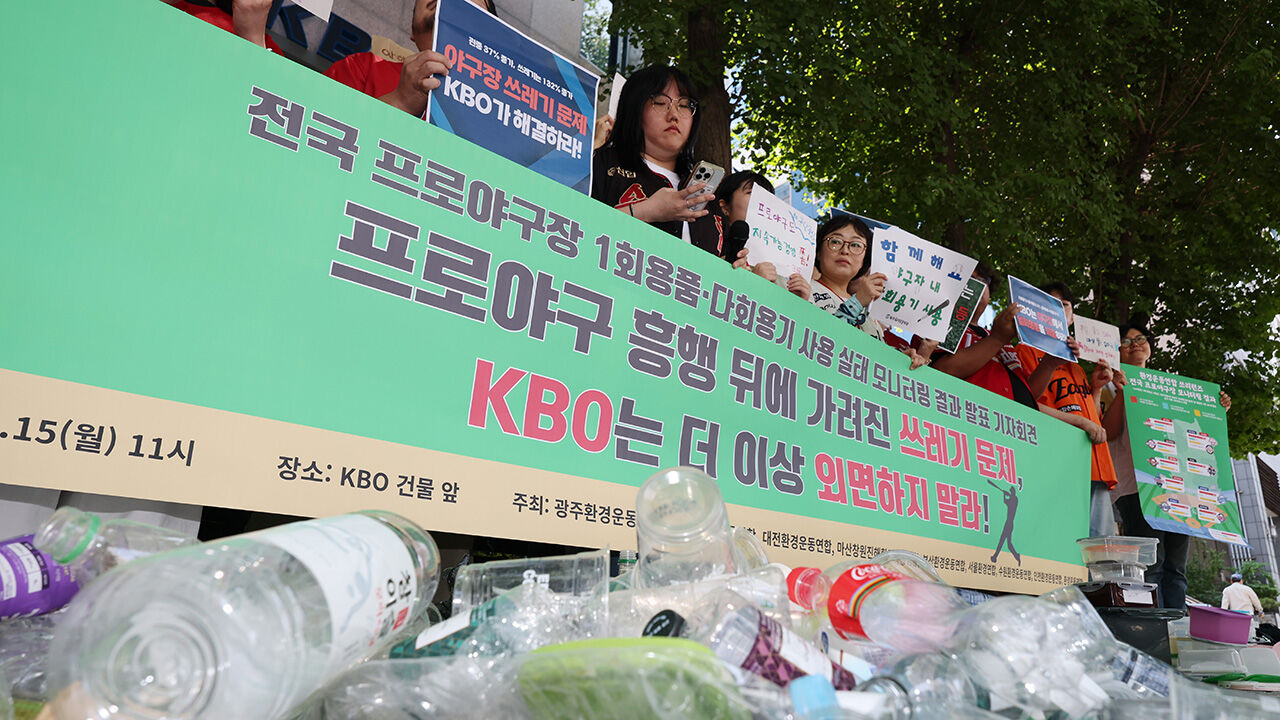
- Venues like Seoul's Jamsil Stadium saw waste skyrocket by over 132%, driving stadium cleaning and processing costs to roughly 4.5 billion won.
- While ballparks are rolling out reusable container initiatives, lawmakers stress that leagues and concession vendors must establish effective return systems rather than placing blame solely on spectat
Summary South Korea's professional baseball league, the KBO, celebrated a historic milestone by welcoming over 12 million spectators in a single season. However, this record-shattering popularity has brought an unintended consequence: an overwhelming wave of trash. According to government data submitted to the National Assembly, general waste generated across nine major stadiums reached nearly 3,000 tons (2,931.7 tons) last year, marking a sharp 24.3% surge from 2024 and an astounding 54.6% increase compared to two years prior. Notably, trash output grew nearly twice as fast as the 13.1% rise in attendance.
The situation is particularly acute at Seoul's Jamsil Baseball Stadium, a shared home venue for rival franchises LG Twins and Doosan Bears. Waste at Jamsil more than doubled, rocketing 132.2% from 214.4 tons in 2023 to 497.9 tons. Even when normalized per spectator, individual waste production jumped nearly 70% from around 98.7 grams to 167.5 grams per person. Similar spikes were recorded across regional hubs, including Daegu Samsung Lions Park and Busan Sajik Baseball Stadium.
This surge reflects the distinct culture of KBO games, where eating and drinking are central to the stadium experience. Fans routinely enjoy stadium staples like chimaek (fried chicken and beer) alongside local food concessions, leading to mountains of single-use containers, cups, and packaging. Cleaning and disposal bills across eight reporting stadiums climbed to 4.51 billion won (over $3.3 million USD) in a single year, accumulating nearly 11.9 billion won over the past three seasons.
In response, baseball venues have increasingly introduced reusable food and beverage container programs, with seven ballparks currently participating and more slated to join. However, policymakers emphasize that simply deploying reusableware is not enough. Lawmakers point out that real success requires rigorous tracking of actual waste reduction, organized return systems managed by teams and concessionaires, and targeted reduction guidelines established jointly by the sports league and government ministries rather than putting the entire burden on fans.
Sponsored · Ad