Death Toll Reaches 74 in Spain's High-Speed Train Collision as DNA Identification Begins
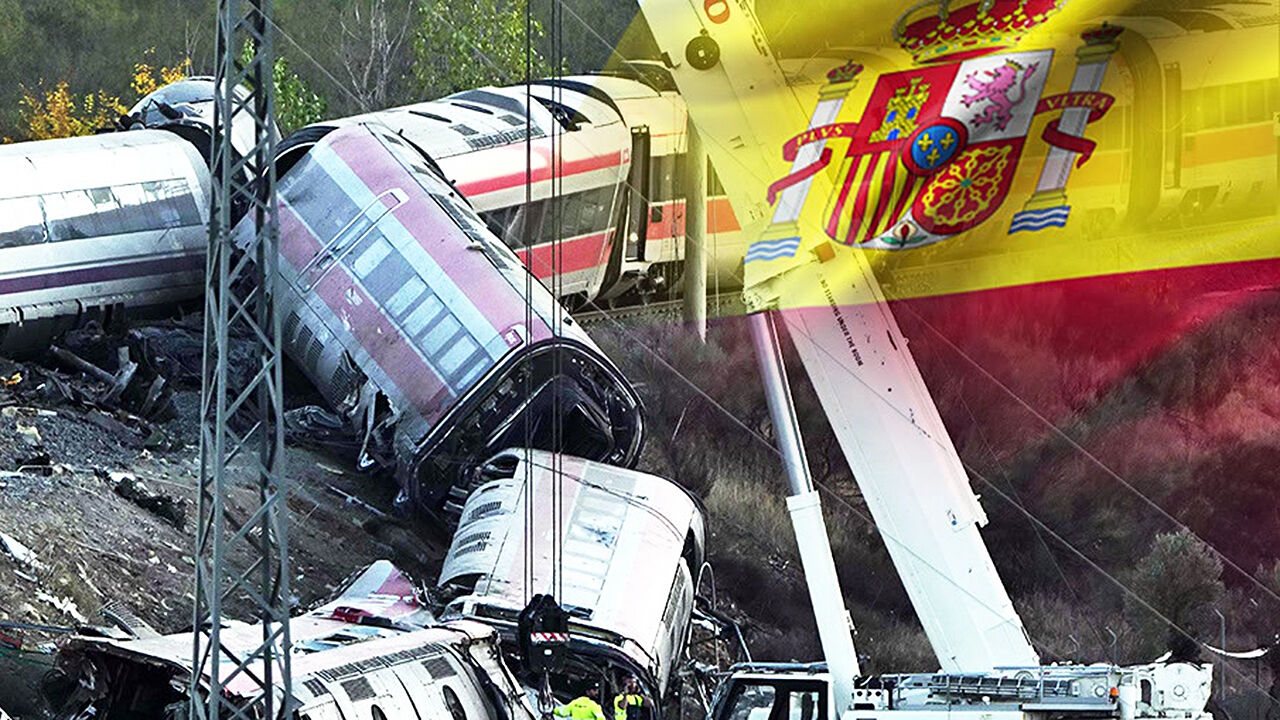
Key Points
- A state-run AVE high-speed train collided into a stationary Iryo train near Urda, Spain, killing at least 74 people and injuring approximately 100 passengers.
- The story captured wide attention in Korea as 10 South Korean nationals were on board, with two sustaining injuries and receiving hospital care.
- Coming just nine months after a previous fatal crash in Córdoba, the disaster has sparked driver union strikes and public protests demanding government accountability and heightened rail safety.
Summary A catastrophic high-speed train collision in central Spain has left at least 74 people dead and around 100 injured, sparking nationwide outrage and drawing international concern after it was confirmed that foreign nationals, including travelers from South Korea, were among the casualties. The disaster occurred on the southbound high-speed rail line connecting Madrid and Andalusia near Urda, Toledo, when a state-operated Renfe AVE train slammed into the rear of a stationary train operated by private rail operator Iryo. In this high-speed corridor, trains routinely reach operating speeds of up to 200 km/h, which exacerbated the impact across both carriages carrying over 540 passengers in total.
Spanish emergency crews worked through the night with heavy cranes and search-and-rescue dogs to sift through mangled wreckage and locate victims. The Spanish Ministry of Foreign Affairs reported that 42 foreign nationals from seven countries were on board, resulting in at least one confirmed foreign fatality and multiple injuries. According to the South Korean Embassy in Spain, 10 South Korean nationals were aboard the trains, two of whom sustained injuries and received medical treatment at local hospitals. Because identifying victims from severe impact sites is exceptionally difficult, authorities have established DNA collection hubs across Madrid, Toledo, and Seville to match samples from desperate relatives, with only two deceased victims formally identified so far.
The tragedy has resonated strongly in South Korea, a country where rail travel via KTX is an everyday staple and safety protocols on high-speed rail corridors are scrutinized with intense public sensitivity. Following the Urda collision, profound questions about rail infrastructure safety have swept across Spain, especially given that this marks the second major high-speed train crash in just nine months, following a deadly collision in Córdoba earlier in January. Simmering tensions escalated into street clashes outside the Ministry of Transport in Madrid, where roughly 1,500 demonstrators demanded governmental accountability, while the train drivers' union pushed ahead with strike action demanding vital safety investments. Amid national mourning, King Felipe VI visited hospitalized survivors in Toledo, urging a thorough investigation to ensure such catastrophic failures are never repeated.
Sponsored · Ad