U.S. Intelligence Assesses Putin Personally Ordered Sabotage Campaign Across Europe
Key Points
- U.S. intelligence assessments reveal that Russian President Vladimir Putin directly ordered covert sabotage and hybrid attacks targeting NATO member states.
- South Korean major news outlets are closely monitoring the escalation as covert operations strike European defense hubs and Starlink facilities supporting Ukraine.
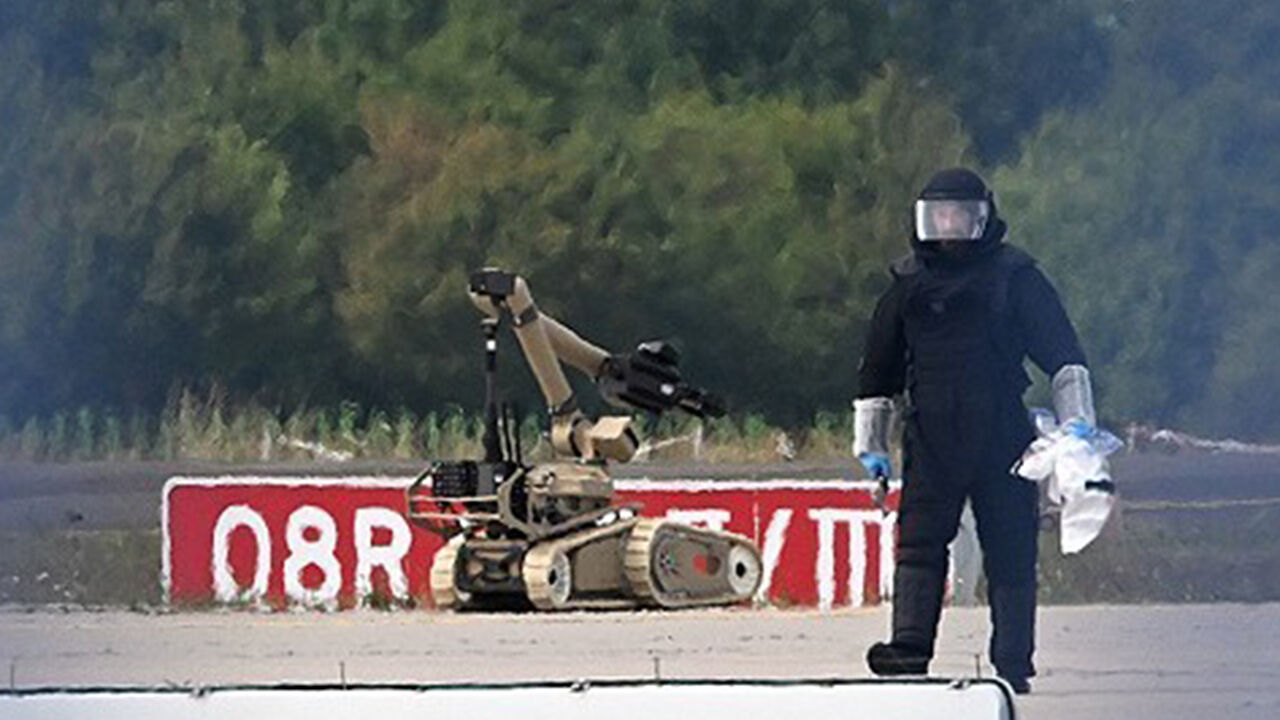
- Investigators highlighted a foiled August drone attack on Germany's Leipzig-Halle Airport that nearly triggered NATO's Article 5 collective defense clause.
Summary U.S. intelligence agencies have assessed that a series of high-intensity sabotage operations and covert attacks across North Atlantic Treaty Organization (NATO) member states are being carried out under the direct orders of Russian President Vladimir Putin, according to reports by the Wall Street Journal cited by European officials.
Intelligence findings indicate that the sabotage campaign was triggered in part by Moscow's frustration over the protracted frontline stalemate in Ukraine and stalled U.S.-brokered peace negotiations. Faced with a perceived unwillingness from Kyiv to make concessions and disappointment that diplomatic contacts did not lead to an early normalization of relations, the Kremlin escalated hybrid operations targeting logistics and infrastructure supporting Ukraine. A key early signal of this directive was an attempted drone strike in August targeting Germany’s Leipzig-Halle Airport, a critical logistics hub used by German and NATO forces as well as Ukrainian cargo carrier Antonov Airlines. German investigators concluded that Russian military intelligence operatives piloted at least three explosive-laden drones aimed at disabling aircraft, narrowly avoiding mass casualties when the drones failed to detonate. German officials noted that had the attack resulted in significant loss of life, Berlin would have considered invoking NATO’s Article 5 collective defense clause.
Beyond the German airport attack, intelligence and local authorities across Europe have documented an intensifying wave of Russian-linked hybrid warfare—encompassing arson, cyberattacks, and disruption of critical communication systems. Recent targets include drone manufacturing facilities in Poland and Estonia, an attempted arson at a Ukrainian drone plant in Slovakia, and arson attacks against SpaceX Starlink satellite network facilities in Poland, Lithuania, and Bulgaria. While Russia denies involvement, European and American leaders have issued stern warnings, noting that such covert actions risk rapidly expanding the conflict into a broader regional war.
Sponsored · Ad