Thailand Cracks Down on AI Data Centers with Strict Noise and Water Regulations Amid Growing Backlash
Key Points
- Thailand's cabinet has approved new environmental standards capping data center noise at 70 dBA and restricting boundary temperature rises to 1–2°C while mandating cooling water recirculation.
- The move comes as rapid AI data center expansion triggers public demonstrations and project cancellations over electricity and water strain across Southeast Asia.
- Korean media highlighted Thailand's regulatory push as tech hubs balance massive digital infrastructure investments against community resources and ecological impact.
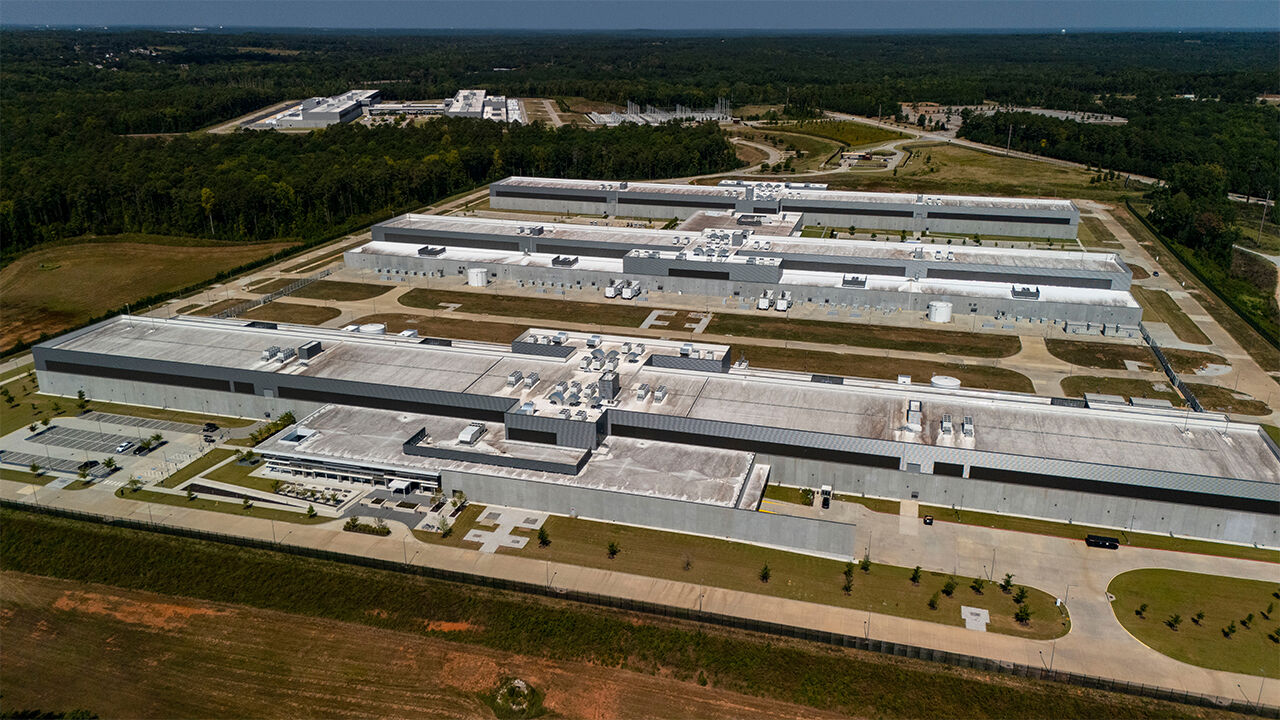
Summary As artificial intelligence infrastructure expands across Southeast Asia, local communities and governments are confronting the environmental reality behind high-tech data centers. In response to mounting public pushback over noise pollution, intense heat generation, and massive water consumption, the Thai cabinet has formally approved strict regulatory benchmarks to govern artificial intelligence data centers across Thailand.
Under the new regulatory framework, noise levels at a data center facility's boundary are capped at 70 A-weighted decibels (dBA)—a sound level slightly quieter than an operating vacuum cleaner. The regulations also mandate that data center activities must not raise ambient temperatures at property boundaries by more than 1 to 2 degrees Celsius. In addition, facilities are required to recirculate cooling water rather than expending fresh supplies continuously, and any wastewater discharged into the environment must undergo mandatory inspection. High-capacity facilities consuming 20 megawatts or more of electricity will now face even stricter oversight and must be built inside designated industrial estates.
To balance environmental protection with economic growth, Thailand is also streamlining application procedures via a centralized 'one-stop service.' This portal will evaluate proposals comprehensively, weighing environmental thresholds alongside local economic contributions such as job creation, tech training, and participation by domestic supply chains. Deputy Prime Minister and Minister of Finance Ekniti Nitithanprapas emphasized that while data centers represent critical digital backbone infrastructure, unvetted projects that fail environmental and security criteria simply will not be permitted to advance. Existing facilities approved before August 14 have been granted a one-year grace period to upgrade and comply.
This policy shift reflects regional tensions accompanying the global AI investment surge. According to the Board of Investment of Thailand (BOI), AI-related projects made up around 70 percent of foreign investment applications exceeding $50 billion recorded from January to September. Similar friction has emerged in neighboring Southeast Asian nations, including recent protests on Indonesia's Batam Island over drought-strained water supplies diverted to tech facilities and project cancellations due to resident backlash in Malaysia. South Korean media has closely monitored these developments as regional tech supply chains, energy policies, and digital hub strategies increasingly grapple with community pushback and resource sustainability.
Sponsored · Ad