Fire Truck Rushes 24 km on Emergency Call — Only to Be Asked to Power-Wash a Politician's House
Key Points
- Firefighters in Gujarat, India, rushed 24 kilometers after receiving an emergency fire report, only to be asked by a state lawmaker to hose down and wash the exterior of his house.
- The incident sparked intense public backlash and went viral online after footage showed emergency crews power-washing the private residence, prompting authorities to investigate the misuse of public r
- The local municipality reportedly charged approximately 40,000 KRW for using the fire engine before halting the operation following an internal report.
Summary When emergency sirens wail and a fire engine races through traffic, onlookers naturally assume lives and property are on the line. But in a bizarre incident from Gujarat, India, that caught widespread attention in South Korean media, firefighters who sped across 24 kilometers arrived at their destination only to receive an utterly baffling request: to wash down a private residence.
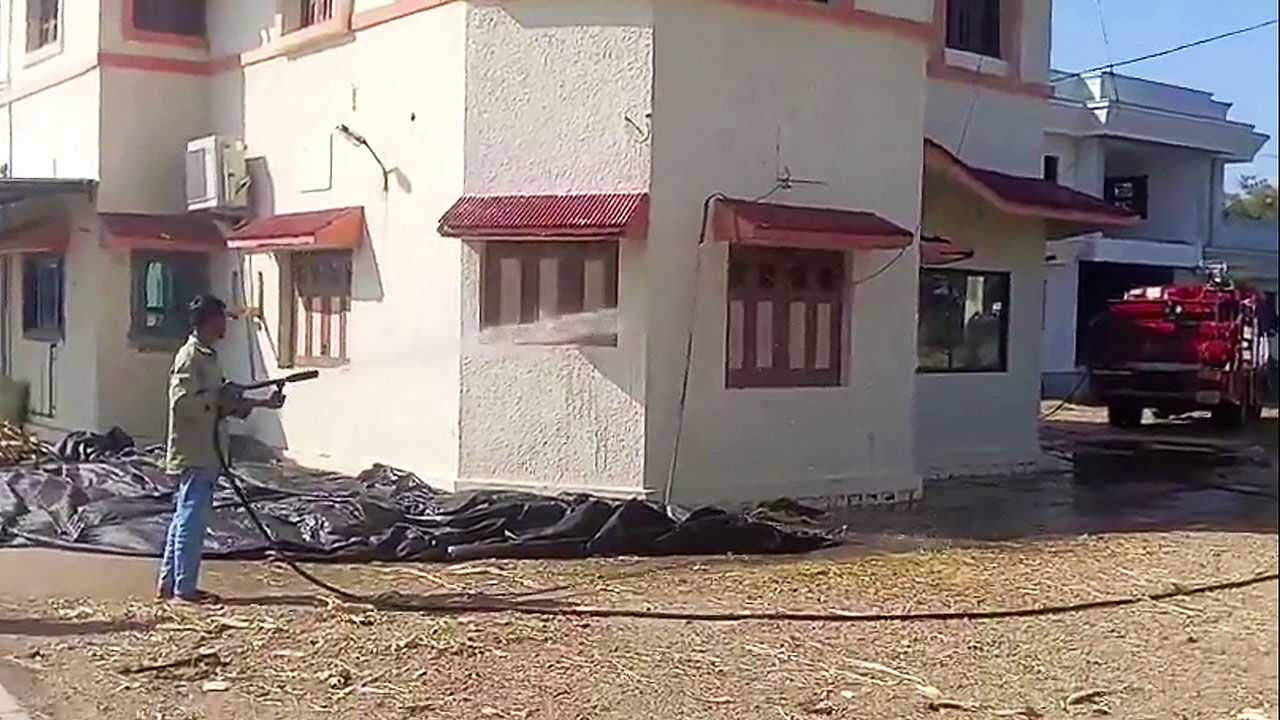
According to reports, emergency personnel were initially dispatched under the impression that an urgent fire outbreak required their intervention. However, upon reaching the scene, there were neither flames nor smoke in sight. Instead, the property turned out to be the private residence of a local state lawmaker. The firefighters were reportedly asked not to battle an inferno, but to aim their high-pressure hoses at the building's exterior walls to give the home a thorough wash.
A video clip capturing the scene quickly surfaced on social media platforms like X (formerly Twitter). The footage showed firefighters spraying powerful jets of water against the facade of the house without any fire in sight. Recognizing the impropriety of the situation, the firefighters alerted their superiors, leading to the washing operation being promptly halted. Local authorities later billed the homeowner around 40,000 Korean won (roughly $30 USD) as a service fee for the use of the fire truck.
The spectacle of emergency public vehicles being deployed for mundane domestic chores struck a chord with international audiences, including South Korean netizens. In South Korea, public emergency services such as the 119 rescue teams are held in high esteem, and false alarms or the trivial misuse of emergency resources frequently trigger intense public debate over civic responsibility and the abuse of power by public figures. Following the viral backlash and accusations of exploiting public resources for private privilege, local municipal authorities have launched an official investigation into the exact circumstances surrounding the dispatch.
Sponsored · Ad