AI Profitability Doubts Trigger Steepest Wall Street Tech Plunge in Four Months
Key Points
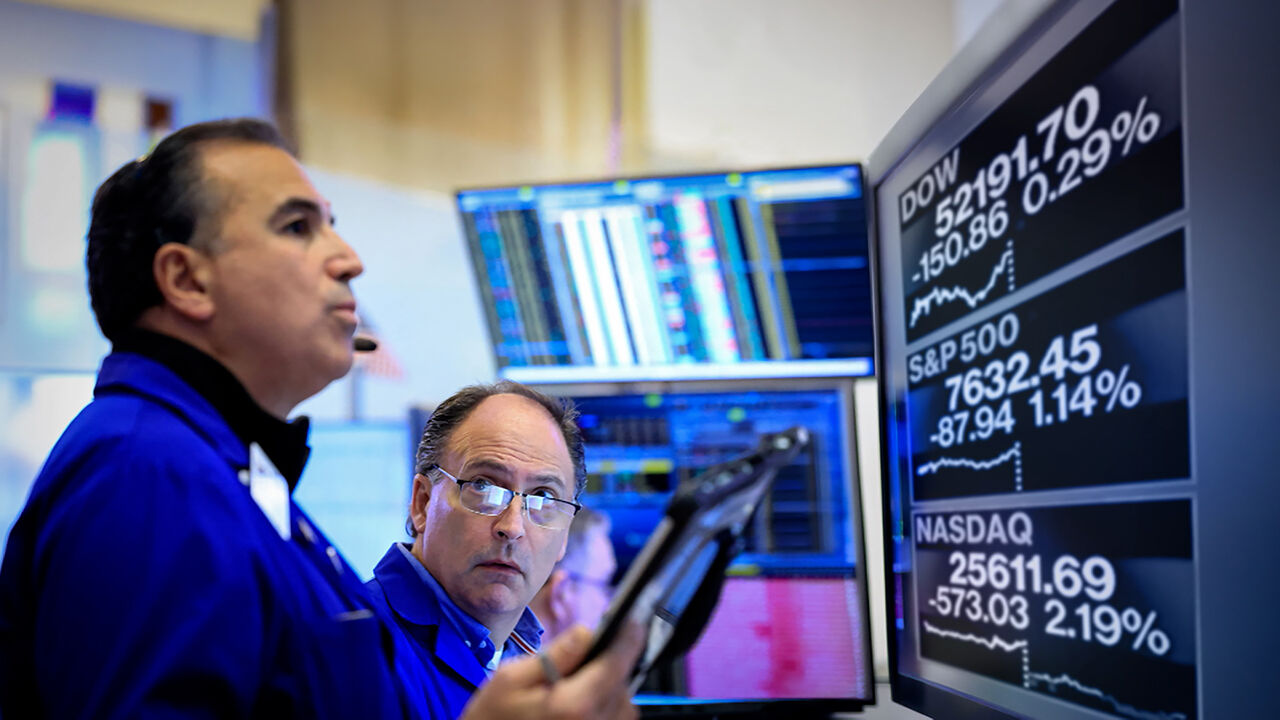
- The Nasdaq fell nearly 3% in a single session amid mounting doubts over artificial intelligence returns, marking its sharpest drop in four months and worst month in over a year and a half.
- Semiconductor giant Intel suffered a catastrophic 30% collapse in its worst trading day since 1974 after issuing disappointing revenue guidance, erasing over $140 billion in market capitalization.
- The steep downturn reflects a critical pivot where AI investments must now prove concrete profitability rather than relying solely on speculative hype, a shift closely watched by Korean tech investors
Summary A sharp chill swept through global financial markets as growing skepticism surrounding the profitability of artificial intelligence sparked a dramatic sell-off on Wall Street, sending tech stocks tumbling in their steepest drop in four months. The tech-heavy Nasdaq fell nearly 3% on the final trading day of October, marking its worst single-day retreat since June and capping off a bruising monthly loss exceeding 5%—its weakest monthly performance in a year and seven months.
The market downturn was punctuated by an alarming collapse in semiconductor giant Intel, whose shares plunged nearly 30% after its sales outlook fell far short of market expectations, logging the chipmaker's worst single trading session since 1974. The drop wiped out more than $140 billion in market value in a single day. Beyond individual corporate struggles, broader investor sentiment was battered by intensifying doubts over whether the astronomical capital poured into AI infrastructure will ever yield tangible commercial returns. Analysts pointed out that big tech firms have been funneling ever-greater portions of their earnings into AI—surpassing 100% of profits in some cases and increasingly relying on debt financing—raising urgent concerns about debt servicing and long-term liquidity.
In South Korea, where individual retail investors—often referred to as 'Seohak Ants' for their heavy investments in overseas technology stocks—maintain massive exposure to U.S. tech and semiconductor giants, these market convulsions resonate immediately. South Korea's own domestic index and tech heavyweights like Samsung Electronics and SK Hynix are intricately tied to the global semiconductor and AI supply chains. As global market watchers note, the AI narrative has shifted from speculative exuberance to a demanding phase where companies must tangibly demonstrate bottom-line performance, creating tense anticipation across both international markets and Korean trading floors.
Sponsored · Ad