Former Japanese Prime Minister Yasuo Fukuda, Renowned for Fostering Asian Diplomacy, Passes Away at 90
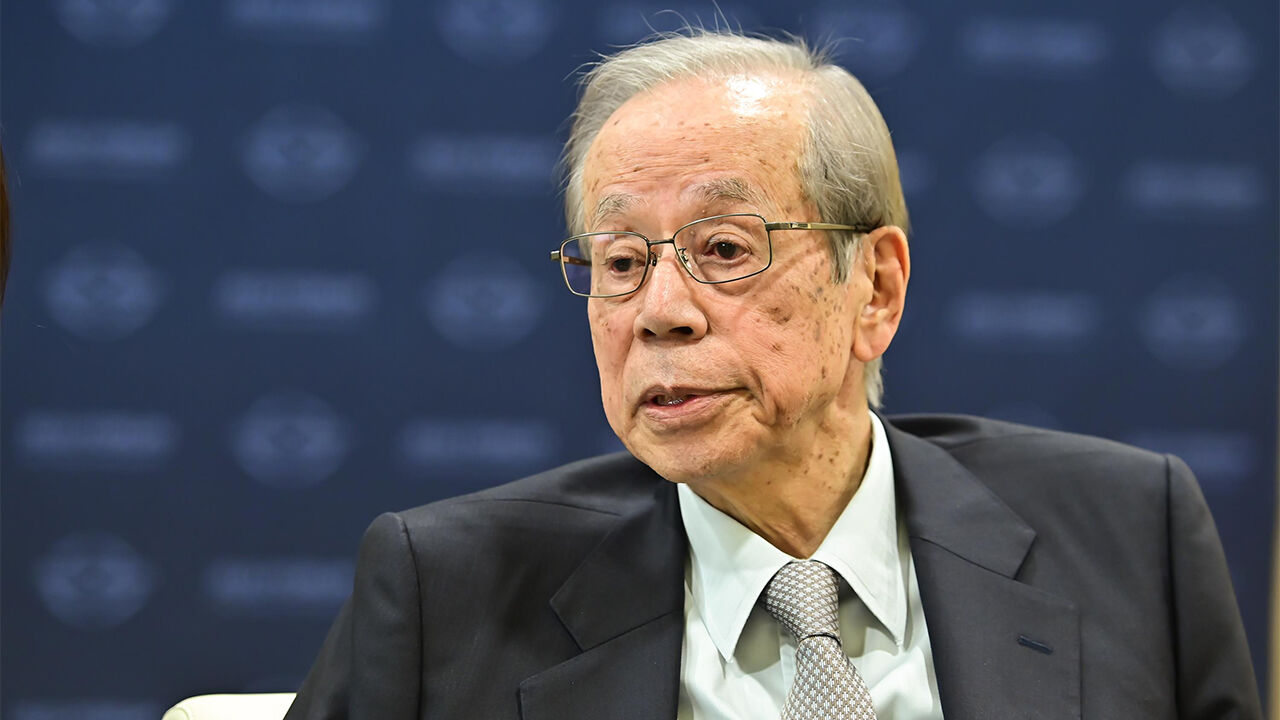
Key Points
- Former Japanese Prime Minister Yasuo Fukuda has passed away from heart failure at age 90 in a Tokyo hospital.
- He is remembered across East Asia as a diplomatic dove who built forward-looking relations with South Korea and prioritized regional harmony over nationalistic controversies like Yasukuni Shrine visit
- Along with his father, Takeo Fukuda, he made constitutional history as Japan's first father-son prime ministerial duo and continued backchannel diplomacy in East Asia even after his retirement.
Summary Former Japanese Prime Minister Yasuo Fukuda, known for his steady efforts to cultivate diplomatic ties with South Korea and China, has passed away at the age of 90 due to heart failure at a Tokyo hospital. Fukuda held office for one year between September 2007 and September 2008, cementing his place in Japanese political history alongside his father, former Prime Minister Takeo Fukuda, as the nation's first father-son prime ministerial duo.
Throughout his career within the Liberal Democratic Party (LDP), Fukuda stood out as a prominent 'dove' who consistently championed cooperative relations with Japan's Asian neighbors. In Korea and East Asia, prime ministerial visits to Tokyo's Yasukuni Shrine—which honors Japan's war dead, including convicted Class-A war criminals—have historically been a source of deep diplomatic friction. Fukuda took a distinctly conciliatory stance on the matter; when questioned by reporters upon taking office about visiting the shrine, he notably questioned why one should do something that neighboring nations find objectionable.
During his tenure, Fukuda actively worked to construct forward-looking bilateral ties with South Korea, engaging in summit diplomacy in 2008 with then-South Korean President Lee Myung-bak. He also fostered closer ties with Beijing, agreeing on a framework of 'mutually beneficial relationship based on common strategic interests' during Chinese President Hu Jintao's visit to Tokyo in 2008.
First elected to the House of Representatives from Gunma's 3rd district in 1990 at the age of 53, Fukuda won seven consecutive elections and served as Chief Cabinet Secretary under Prime Minister Yoshiro Mori in 2000. Even after stepping down from politics in 2012, Fukuda continued to serve as an informal diplomatic bridge, visiting Beijing in 2014 to meet President Xi Jinping and helping lay the groundwork for high-level summits during a period of chilled East Asian relations. His passing marks the departure of one of the few contemporary Japanese leaders widely respected across East Asia for prioritizing neighborly dialogue over nationalistic posturing.
Sponsored · Ad