Egypt Approves Military Support to Defend Saudi Arabia Against Houthi Incursions
Key Points
- Egypt's parliament has authorized President Abdel Fattah el-Sisi to deploy military support to defend Saudi Arabia against attacks by Yemen's Houthi rebels.
- The decision follows recent high-level bilateral talks between Crown Prince Mohammed bin Salman and President el-Sisi to solidify their mutual security pact.
- Egypt clarified that its assistance is purely aimed at defending Saudi territory rather than launching offensive operations against Yemen.
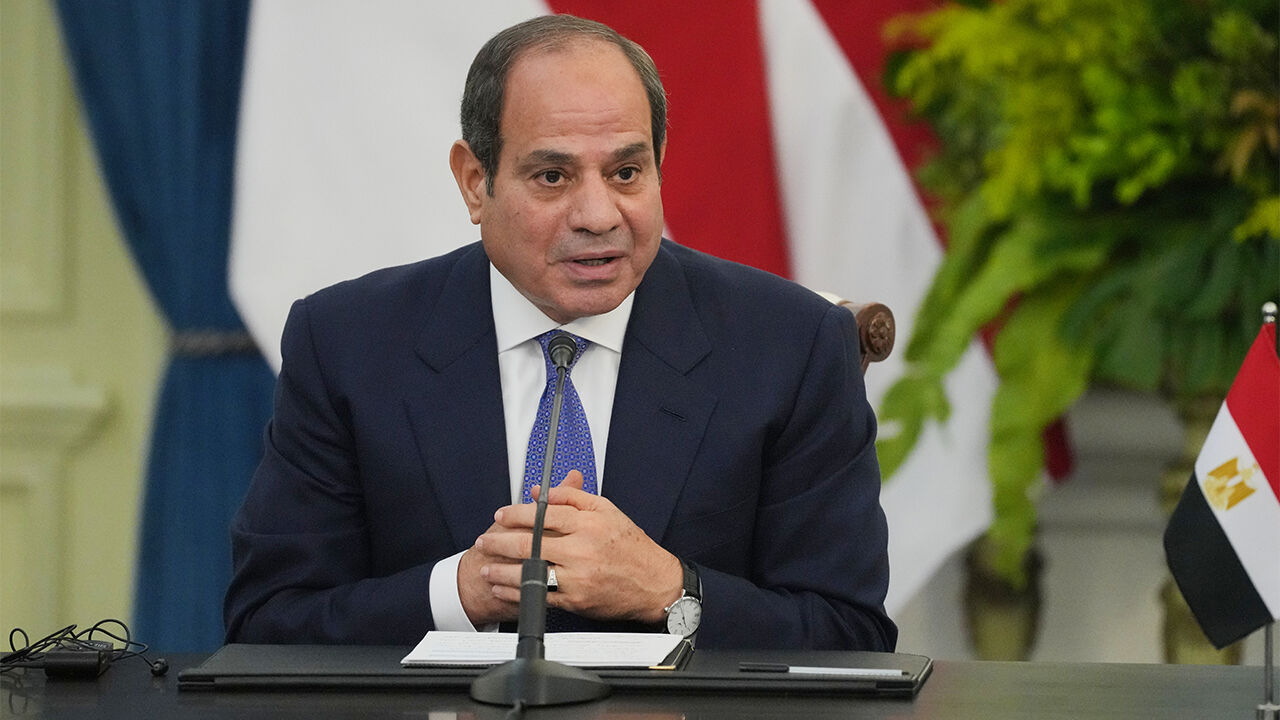
Summary The Egyptian parliament has formally approved a measure authorizing military support to defend Saudi Arabia against ongoing attacks from Yemen's Iran-aligned Houthi rebels. According to reports from AFP and international agencies, Egypt's House of Representatives passed the resolution following a formal request by President Abdel Fattah el-Sisi, granting him the executive power to enact necessary measures to safeguard Saudi security.
Egypt maintains the largest standing military force in the Arab world, boasting hundreds of thousands of active personnel, advanced fighter aircraft, and extensive air defense networks. While the exact scope and operational deployment of Egyptian assistance have not yet been disclosed, President el-Sisi emphasized on October 21 that any military engagement would be strictly defensive. He clarified that operations are aimed at defending Saudi sovereign territory and will not encompass offensive strikes or incursions inside Yemen.
This legislative authorization comes in the wake of high-level diplomatic engagements between Riyadh and Cairo. Last month, Saudi Crown Prince Mohammed bin Salman made an unannounced visit to Egypt for bilateral talks with el-Sisi as Houthi offensive actions against Saudi targets intensified. During that summit, the two regional powers reaffirmed their alliance, pledging closer defense coordination and economic cooperation.
Saudi Arabia has long stood as one of Egypt's most critical financial and diplomatic backers, particularly following the 2013 ouster of former Islamist President Mohamed Morsi by el-Sisi. The parliamentary motion underscores the enduring geopolitical and security interdependency between Cairo and Riyadh amid ongoing regional instability in the Arabian Peninsula and the Red Sea corridor.
For Korean observers and global international news desks monitoring Middle Eastern affairs, developments involving Gulf security and Egyptian defense posture are tracked closely due to their broader implications for global maritime stability, energy logistics, and regional trade routes.
Sponsored · Ad