Global Alarm Sparks Over Suspected Plague Leak Following Death of Russian Researcher
Key Points
- A Russian researcher investigating plague bacteria at an Irkutsk institute died days after developing severe pneumonia, leading to the immediate quarantine of approximately 200 hospital and laboratory
- The report gained widespread traction across Korean news media amid alarming rumors that a broken laboratory test tube had exposed the victim to highly lethal pneumonic plague.
- Russian officials denied any pathogen leak while global bodies and foreign leaders, including the WHO and Donald Trump, announced close monitoring despite experts noting the disease is treatable with
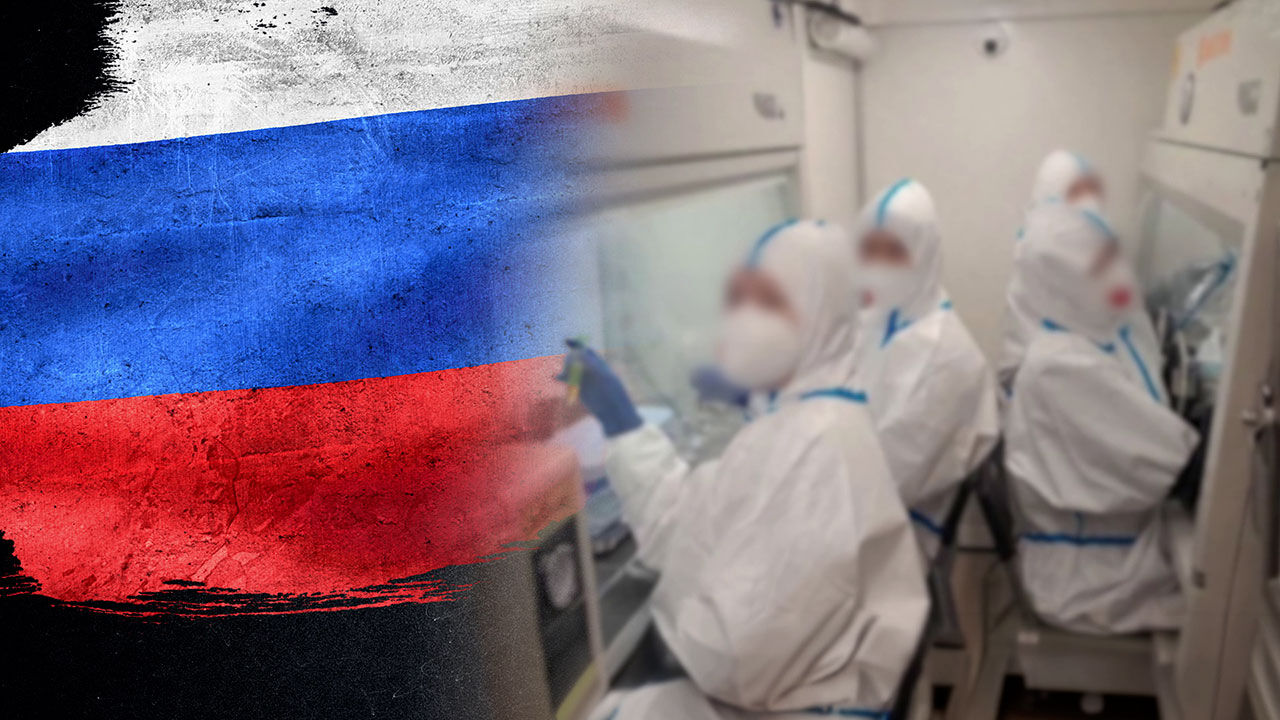
Summary A research scientist studying Yersinia pestis—the bacteria responsible for the Black Death—has died in Irkutsk, Russia, triggering international concern over potential laboratory containment failures and pathogen transmission. The researcher was admitted to a local hospital on September 29 suffering from severe pneumonia symptoms and passed away just three days later. Immediately following the death, authorities shut down both the specialized plague research facility where the researcher was employed and the entire hospital facility, placing approximately 200 medical staff members and close contacts into strict quarantine.
The incident rapidly ignited public alarm and speculation across local digital media. Reports circulated alleging that the deceased scientist had accidentally shattered a test tube containing animal plague samples during research, leading to a suspected case of pneumonic plague. Unlike bubonic plague, which is typically transmitted through fleas, pneumonic plague infects the lungs, can spread from person to person via airborne respiratory droplets, and carries an exceptionally high fatality rate if left untreated. The anxiety intensified further when the head of a neighboring autonomous republic publicly raised the possibility that the researcher had indeed contracted the lethal plague pathogen.
In response to the escalating rumors, Russian federal authorities moved swiftly to downplay the crisis and deny any biosecurity breach. Officials stated that post-mortem testing on the researcher's body detected no plague-related microorganisms, and they firmly dismissed the reports of broken laboratory glassware. Health officials further reported that screening of the quarantined individuals showed only a few standard COVID-19 cases, with all other tests returning negative for plague bacteria. Dmitry Peskov, spokesperson for the Russian Kremlin, urged the public not to be swayed by rumors or speculative claims and to rely strictly on official announcements from health authorities.
Despite these assurances, the development drew immediate high-level attention from international observers and world leaders, including the United States and the European Union. U.S. President Donald Trump addressed the situation, stating that the administration is monitoring developments very seriously and stands ready to assist Russia to the fullest extent possible. Meanwhile, the World Health Organization (WHO) evaluated the overall public health risk stemming from the incident as low, though it confirmed ongoing communication with Russian officials to evaluate potential ramifications. Infectious disease specialists highlighted that while plague remains serious, it does not spread easily and can be effectively cured and controlled through standard antibiotics and prompt containment protocols.
Sponsored · Ad