Korea Football Association Faces Fierce Backlash Over 'Ignorance and No-Shows' at Parliamentary Audit
Key Points
- Former Korea Football Association (KFA) executives faced intense scrutiny at a parliamentary audit, with one claiming total ignorance over questionable broadcast contracts and another failing to appea
- The evasive responses regarding suspicious three-party corporate dealings and the unexcused absence of the former referee chief have ignited widespread public and legislative outrage.
- In South Korea, parliamentary audits serve as pivotal accountability checkpoints for major sporting bodies, making evasive behavior by high-ranking sports officials a major national controversy.
Summary Former executives of the Korea Football Association (KFA) have drawn fierce public criticism after displaying uncooperative and evasive behavior during a parliamentary audit conducted by the National Assembly. Lawmakers had summoned key figures to scrutinize severe allegations of administrative impropriety, financial favoritism, and systemic governance issues surrounding South Korea's governing football body.
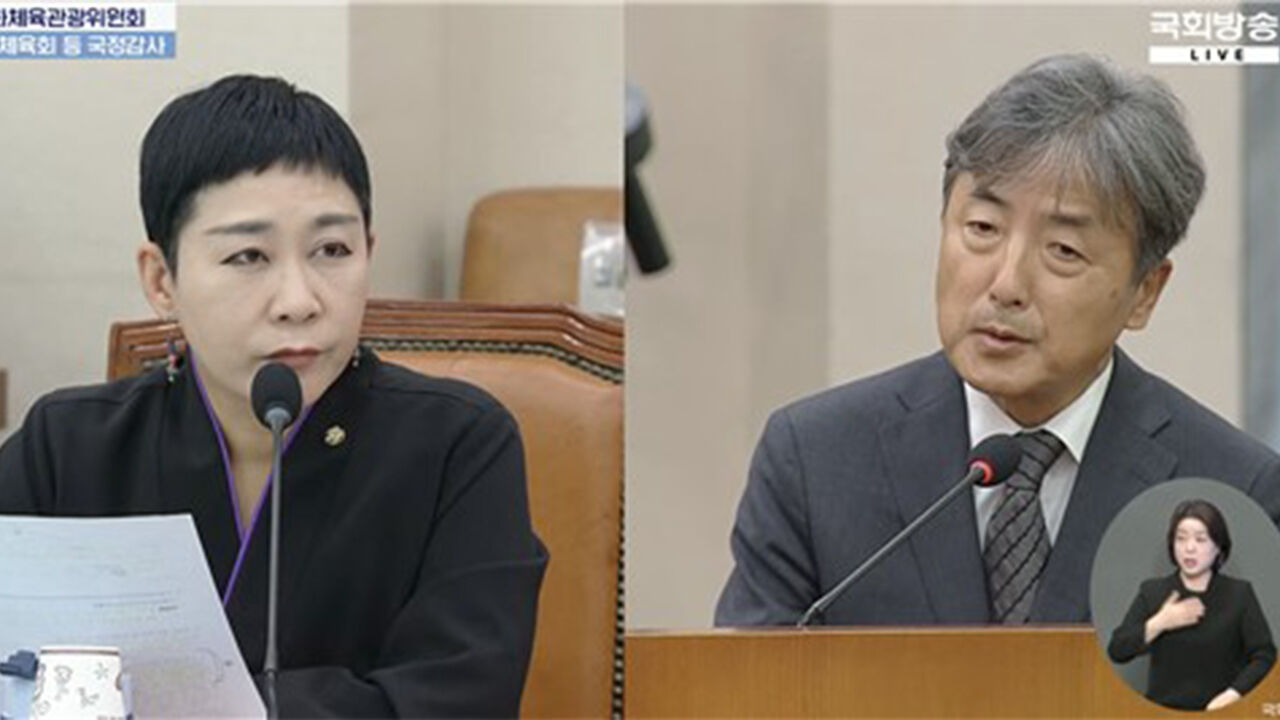
During the audit session on October 21, Representative Kim Jae-won directly grilled Kim Jung-bae, the former standing vice president of the KFA, regarding suspicious broadcast rights and sponsorship transactions finalized in 2024. Lawmakers raised concerns over an unusual three-party contract among the KFA, streaming platform Coupang, and an agency called Team Twelve. Under this arrangement, payments were routed through Team Twelve, sparking suspicions that unnecessary commission fees and unfair preferential treatment were granted to inflate the agency's valuation while shielding former KFA President Chung Mong-gyu's corporate interests. In response to detailed questions and visual diagrams, Kim repeatedly feigned ignorance, answering that he did not know or failed to understand the concept of a three-party contract despite having overseen practical operations at the time.
Compounding the controversy, Moon Jin-hee, the former head of the KFA's referee committee, completely skipped the audit without submitting any formal justification. Lawmakers revealed that Moon had deliberately changed contact details to evade the summons. Moon had previously sparked outrage during a July parliamentary hearing following the 2026 North America World Cup, where he kept a hand in his pocket and rudely told an inquiring lawmaker to lower his voice before resigning days later. In response to Moon's complete no-show, lawmakers formally requested the committee to pursue the harshest legal measures and criminal complaints permitted under the National Assembly Act.
In South Korea, parliamentary audits (Gukjeong Gamsa) represent one of the highest forms of legislative and public oversight, where civic organizations, sports federations, and state-backed entities face rigorous scrutiny. With South Korean football enthusiasts demanding greater transparency and accountability within the KFA, the evasiveness and blatant disregard shown by former football officials have intensified ongoing public indignation against the association's governance.
Sponsored · Ad