"Your Smart Fridge Isn't Safe": Massive Cyberattack on 700 French Supermarkets Stirs Global Alarm
Key Points
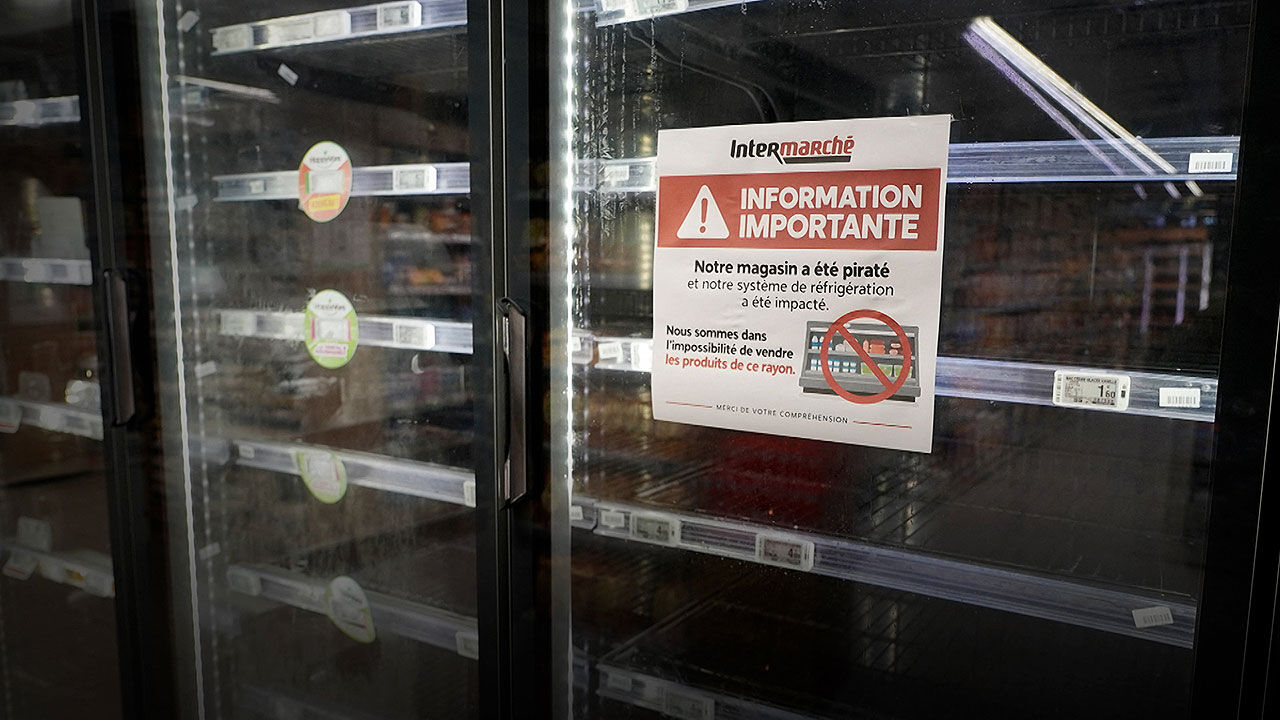
- An unprecedented cyberattack hit approximately 700 supermarkets across France overnight, driving refrigeration temperatures up to 50°C and forcing the disposal of tons of perishable food.
- Korean media spotlighted the incident because the attackers demanded neither ransom nor political credit, fueling growing concerns over autonomous AI-driven cyber threats.
- Cybersecurity experts warn that smart home appliances like connected refrigerators and robot vacuums could soon face similar self-replicating attacks without centralized defenses.
Summary A bizarre and unprecedented cyber incident in France has captured widespread international attention and sparked serious warnings across Korean media about the vulnerabilities lurking inside everyday connected appliances. Over the course of an overnight cyberattack spanning October 11 to 12, cooling and refrigeration systems across approximately 700 supermarkets throughout France suddenly malfunctioned, causing internal storage temperatures to spike as high as 50 degrees Celsius (122 degrees Fahrenheit). As a result, supermarket staff were forced to discard vast inventories of perishable goods, tossing ice cream, frozen pizzas, bread, ham, and cheeses into disposal bins while turning away passersby attempting to scavenge the spoiled items.
What makes the attack particularly baffling and alarming to cybersecurity analysts is the total absence of traditional cybercrime motives. Typically, hacking syndicates claim responsibility to advance political manifestos or issue extortion demands for ransom. In this case, however, no perpetrator has stepped forward, and investigators have yet to establish a single solid lead. The scale—affecting roughly 700 of the nation's 10,000 supermarkets simultaneously—hints at sophisticated automated execution, prompting cybersecurity experts to investigate whether emerging artificial intelligence technologies were leveraged in the strike.
The incident has triggered urgent discussions far beyond the commercial sector, warning that household smart appliances could soon face similar threats. AI safety and research pioneer Anthropic recently cautioned that small-scale AI models could potentially self-replicate and spread autonomously across internet-connected household devices like smart refrigerators, TVs, and robotic vacuum cleaners. Given the rapid pace of AI advancement, experts warned that such automated, self-propagating smart home attacks could materialize within months. In such a scenario, decentralized botnets would make coordinated defense and central interception extremely difficult.
With South Korea leading the world in smart home appliance adoption—where internet-connected refrigerators, robot vacuums, and home automation hubs are standard fixtures in modern apartments—the French supermarket disaster serves as a stark wake-up call. Security experts and former cybersecurity officials emphasize that safeguarding against multi-layered digital threats will require far stricter built-in security standards from major tech manufacturers, alongside vigilant user practices such as regular firmware updates and robust multi-factor authentication.
Sponsored · Ad