Tragic High-Speed Train Collision in Spain Leaves 69 Dead, Impacting South Korean Travelers
Key Points
- At least 69 people died and more than 100 were injured after a state-run high-speed train rear-ended a stationary train near Toledo, Spain.
- The incident drew urgent attention in South Korea as 10 Korean nationals were on board, with two sustaining injuries requiring hospital treatment.
- The disaster has exposed scrutiny over rail safety and maintenance budgets, coming just months after another fatal crash on the exact same line.
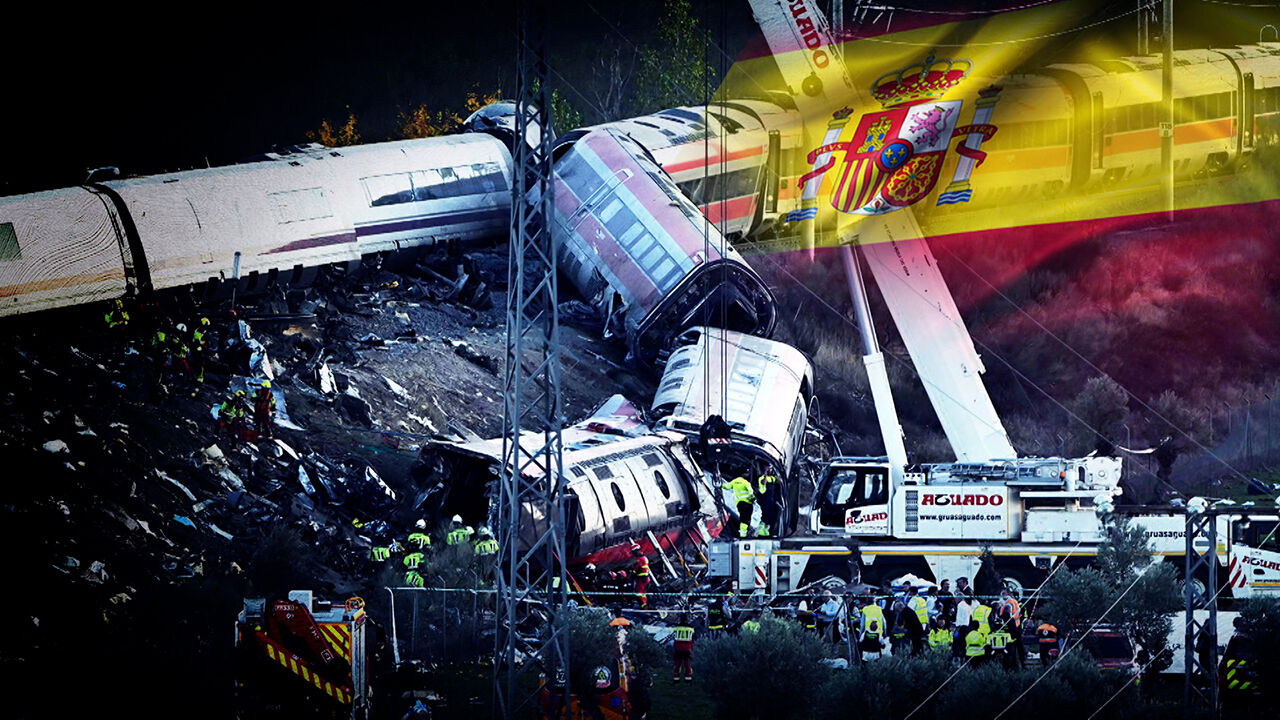
Summary A devastating high-speed rail collision occurred south of Madrid in the Toledo region of Spain, leaving at least 69 passengers dead and over 100 injured. The incident took place during the morning rush at approximately 9:00 AM on October 28, involving two high-speed trains carrying a total of 544 passengers. The collision caused multiple carriages to derail, with three cars of a red train overturning after being crushed in the impact. Among the passengers were 10 South Korean nationals, two of whom suffered injuries and received medical treatment.
According to reports from Spanish authorities, the crash stemmed from a critical breakdown in railway signaling and traffic management. Prior to the impact, six trains had been halted along a 63-kilometer stretch due to technical signal failures. The central traffic control center subsequently issued an order allowing a state-run train to resume operation. However, that train rear-ended a stationary privately operated train on the tracks. While speed restrictions of 40 km/h were supposed to be strictly enforced during signal outages, investigators noted that the speed limit was ignored, leading to severe bewilderment and outrage from survivors who questioned how dispatchers failed to alert the trailing train.
In South Korea, international rail disasters carry significant resonance due to the nation's own heavy reliance on bullet trains (KTX) and high public sensitivity regarding transportation infrastructure and traveler safety abroad. The South Korean embassy in Spain swiftly mobilized to track and assist affected citizens. Ambassador Lim Soo-suk reported that one injured Korean national successfully underwent surgery and was recovering in a general ward, while the other was treated for minor injuries and discharged to resume their travel itinerary.
The tragedy has prompted the Spanish government to declare a three-day national mourning period, suspending high-profile sporting events such as professional football matches. Public and international scrutiny has also intensified over systemic infrastructure vulnerabilities; the exact same route witnessed another fatal collision in January that claimed 46 lives. Critics pointed out that while Spain maintains Europe's longest high-speed rail network with extensive annual investments exceeding 2 trillion won, maintenance funding accounts for only around 16% of that budget—far lower than that of neighboring European nations—raising serious questions about prioritizing rapid network expansion over vital safety upkeep.
Sponsored · Ad