France Blames Iranian Revolutionary Guard for Massive Cyberattack Overheating 700 Supermarket Fridges
Key Points
- French Foreign Minister Jean-Noël Barrot confirmed that Iran's Islamic Revolutionary Guard Corps was behind a cyberattack that spiked refrigeration temperatures over 50°C across 700 supermarkets.
- The incident drew widespread global attention and high engagement on Korean news portals due to the bizarre yet alarming nature of hacking everyday commercial appliances to cause food sabotage.
- The attack is part of an alarming surge in hybrid cyber warfare targeting civil infrastructure, which also affected European blood storage facilities and US military cooling units.
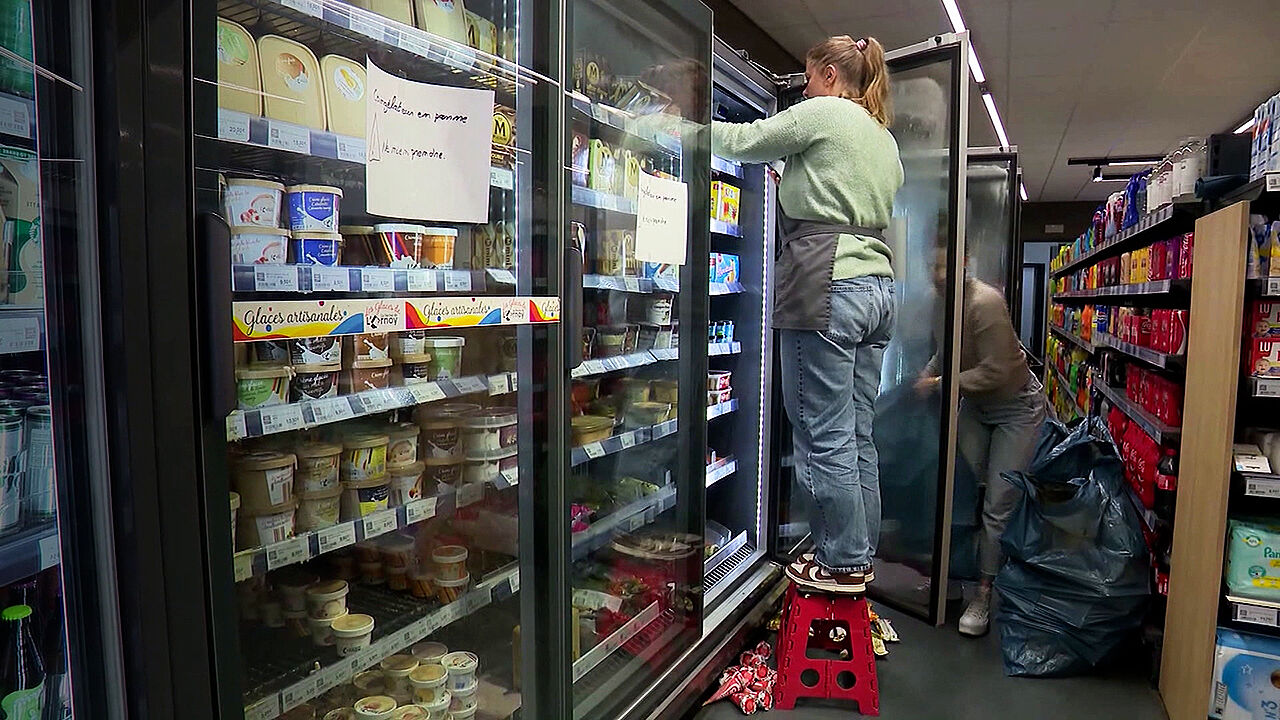
Summary France has formally accused Iran's Islamic Revolutionary Guard Corps (IRGC) of orchestrating an unprecedented, large-scale cyberattack that deliberately raised the temperatures of commercial refrigerators across hundreds of French supermarkets.
According to French Foreign Minister Jean-Noël Barrot, an estimated 700 supermarket branches nationwide were hit in the cyber sabotage operation mid-last month, which forced cooling systems to spike above 50 degrees Celsius (122 degrees Fahrenheit). French authorities characterized the attack as an unprecedented assault on national infrastructure, food safety, and public security, noting that European-level sanctions are being prepared against those responsible. The French Foreign Ministry also summoned the Iranian ambassador in Paris to lodge a strong diplomatic protest.
Paris public prosecutors have opened a formal investigation into the IRGC's Electronic Cyber Center (IRGC-CEC) and its affiliated hacking unit known as 'Shahid Kaveh,' specifically targeting the unit's leadership and operative network. High Representative of the European Union for Foreign Affairs and Security Policy Kaja Kallas also stressed that Europe must deliver a forceful response to state-sponsored sabotage targeting vital civil infrastructure. While the Iranian mission to the UN did not comment, Tehran has historically denied involvement in foreign cyber operations.
The incident highlights a growing wave of digital infrastructure sabotage spanning Europe and North America. Following the French supermarket incidents, similar attacks hit other European nations, including a severe cyber breach targeting temperature controls in French blood banks where blood products were kept at dangerously high temperatures. Meanwhile, US defense officials previously investigated cooling malfunctions at at least six military bases, suspecting Iranian state-backed actors. These hybrid cyber operations reflect mounting global security concerns over the weaponization of everyday connected utilities and supply chain systems.
Sponsored · Ad