Hackers Crank European Supermarket Freezers to 50°C, Wiping Out Frozen Food Aisles
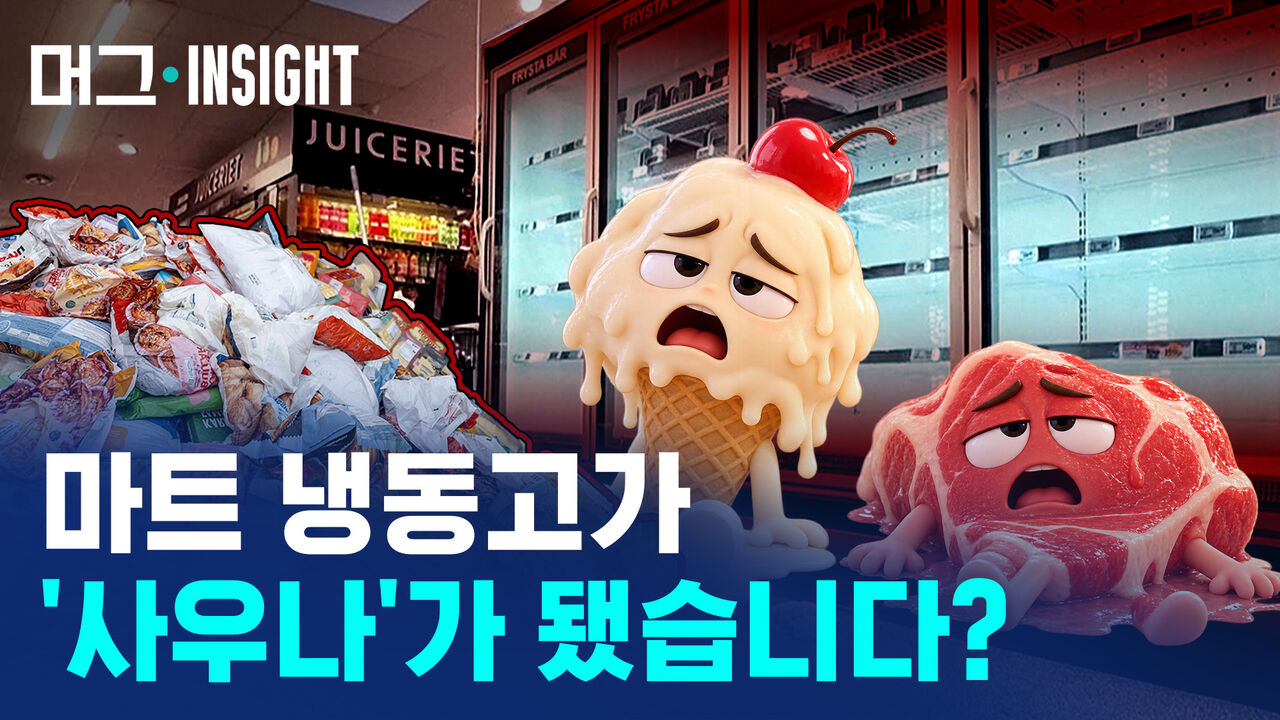
Key Points
- Hackers infiltrated facility management systems at European supermarkets and remotely activated the defrost cycle, spiking freezer temperatures up to 50°C and ruining entire sections of frozen food.
- The bizarre incident captured widespread attention in South Korea via SBS news coverage, sparking urgent domestic concerns about whether local supermarket refrigeration infrastructure is vulnerable to
- With previous attacks documented in France and at a U.S. military base grocery store, the unidentified cyber assault highlights the escalating threat against digitally controlled food supply chains.
Summary A chilling new wave of cyberattacks has hit commercial supermarket chains across Europe, where hackers remotely manipulated industrial cooling equipment and cranked up freezer temperatures to an astonishing 50 degrees Celsius (122 degrees Fahrenheit). According to an in-depth report by SBS News, the sudden and extreme heat wave inside retail refrigeration units turned commercial display cases into miniature ovens, completely destroying frozen food inventories and leaving entire supermarket aisles desolate.
Store employees arrived to find ice cream tubs melting onto shelves and dripping onto floors, while vast quantities of meat, poultry, and pre-packaged frozen goods rapidly spoiled. Helpless staff had no choice but to throw mountains of ruined food directly into trash bags, clearing out entire supermarket frozen food sections. The operational investigation revealed that cyber attackers infiltrated the facility control and building automation systems that manage supermarket refrigeration units. Once inside, the perpetrators remotely triggered the system's "defrost mode"—a built-in maintenance function intended to melt accumulated frost and ice—and forced the temperature to peak at 50 degrees Celsius.
This alarming incident is not an isolated malfunction. Similar coordinated cyber disruptions were recorded just last month across supermarkets in France, as well as an attack targeting grocery commissaries on a U.S. military installation in August. To date, cybersecurity investigators have yet to uncover the exact identities, locations, or motives behind these sabotage campaigns.
In South Korea, where the story quickly captured viewer attention through broadcaster feature segments like SBS 'Mug Insight,' the incident has raised immediate alarm over domestic infrastructure resilience. Korean hypermarkets such as E-Mart, Lotte Mart, and Homeplus rely extensively on centralized, automated Building Energy Management Systems (BEMS) and Internet-of-Things (IoT) monitoring to oversee cold chains and food safety. As physical groceries become increasingly intertwined with digital automation, the vulnerability of cold storage systems to remote sabotage has transformed an obscure cybersecurity risk into an urgent, everyday consumer security debate.
Sponsored · Ad