U.S. Expands Arctic Outposts to Iceland to Counter China and Russia Following Greenland Defense Pact
Key Points
- U.S. Secretary of State Marco Rubio visited Iceland to strengthen defense cooperation, following an agreement establishing military bases in Greenland.
- The move is designed to curb Russian submarine activity and Chinese strategic expansion across critical North Atlantic and Arctic corridors.
- Icelandic leadership emphasized the nation's key role as an operational defense outpost while Washington moves to soothe past diplomatic friction.
Summary The United States is actively expanding its military presence across the Arctic, setting its sights on deepening strategic cooperation with Iceland following a recent major defense agreement with Greenland. The diplomatic and military push aims directly at countering the growing strategic footprint of China and Russia across vital northern waterways and airspace.
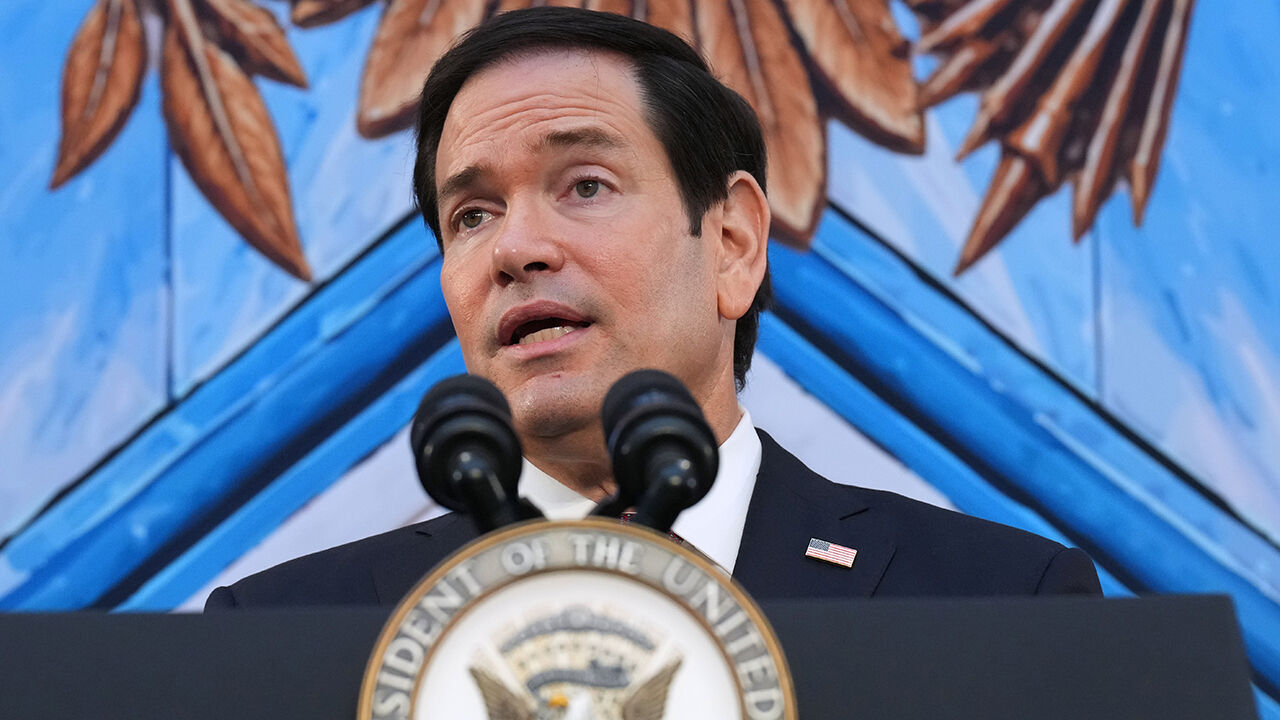
U.S. Secretary of State Marco Rubio met with Icelandic diplomatic officials in Reykjavik, describing Iceland as occupying an indispensable strategic position for North Atlantic collective defense. Highlighting Iceland's airfields, harbors, surveillance installations, and technological capabilities, Rubio signaled Washington's clear intention to expand bilateral security arrangements. He noted that as global geopolitical rivalry shifts heavily toward the Arctic, Iceland's geographic location plays a vital role not only in safeguarding European perimeter defenses but also in the direct continental defense of the American homeland.
Rubio's trip served as a formal diplomatic channel to advance Donald Trump's broader "Arctic Initiative." According to reports highlighted by the Wall Street Journal, the initiative follows a major defense pact finalized between the United States, Denmark, and autonomous Greenland, which authorized the construction of two large U.S. military bases and a substantial increase in stationed troop levels. Extending this security umbrella to Iceland solidifies an operational buffer against Russian naval movements—particularly submarine transit—and Chinese polar ambitions. During his visit, Rubio inspected a U.S. Navy P-8A Poseidon maritime patrol aircraft stationed at Keflavik Air Base, deployed on rotation specifically to track Russian and Chinese submarine activity across the North Atlantic.
The push represents a delicate diplomatic reset after tensions flared when remarks previously circulated describing Iceland metaphorically as America's potential '52nd state' alongside bids to acquire Greenland. While Icelandic Prime Minister Kristrún Frostadóttir acknowledged Iceland’s unique NATO role—noting that the nation itself essentially acts as a base—the latest meetings reflect Washington's concerted effort to smooth previous diplomatic friction and reframe ties around collective defense. For South Korean international news consumers, the Arctic developments draw keen attention as major maritime transit corridors and polar security dynamics hold critical implications for East Asian trade routes and superpower rivalries.
Sponsored · Ad