Brews Across the Border: North Korea Pushes Beer and Goods to China as New Yalu River Bridge Opens
Key Points
- The New Yalu River Bridge linking Sinuiju and Dandong officially opened after a 12-year wait, prompting North Korea to rapidly boost exports of beer, cigarettes, and seafood into China.
- In Chinese border city Dandong, North Korean restaurants and online markets are actively selling both flagship brands like Taedonggang and previously domestic-only brews like Ryongsong.
- Because beer is exempt from UN Security Council sanctions, Pyongyang is leveraging beverage exports to China and Russia as a vital tool to secure foreign currency.
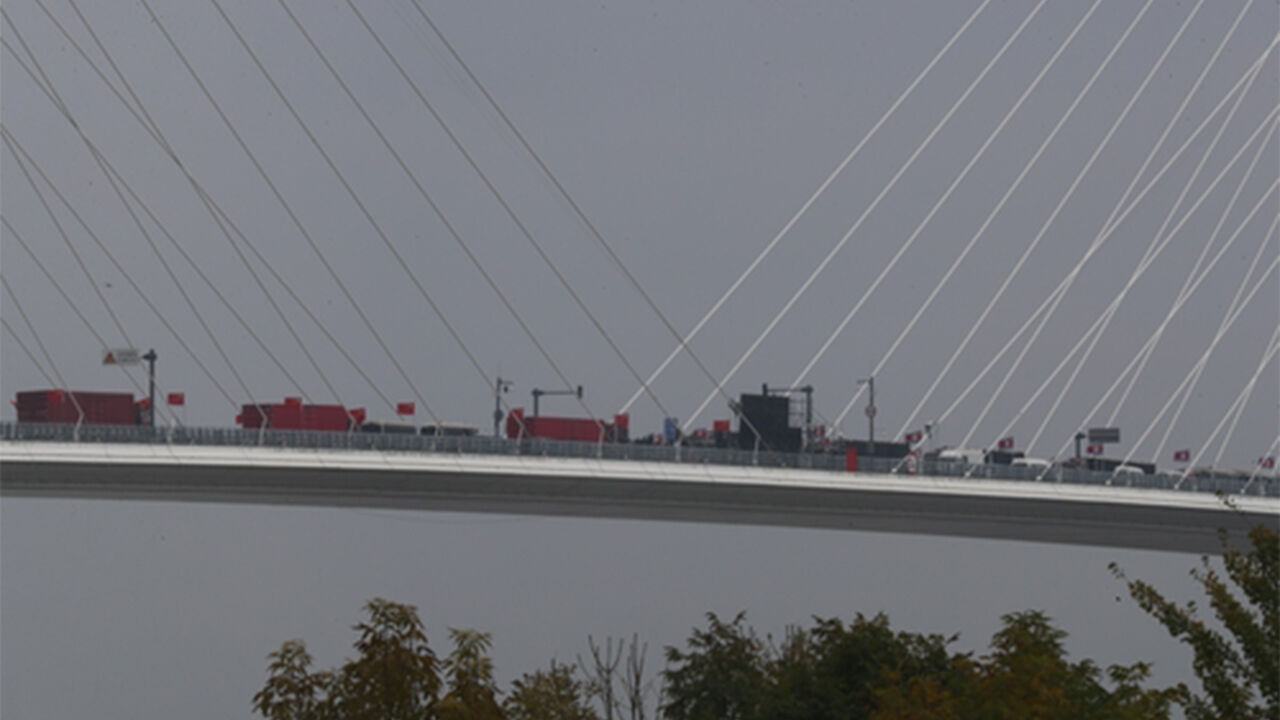
Summary Following the long-awaited official opening of the New Yalu River Bridge connecting Sinuiju, North Korea, and Dandong in China's Liaoning Province, North Korea is aggressively expanding efforts to earn foreign currency through exports of beer, tobacco, and seafood. Although completed in 2014—four years after construction started in 2010—the bridge finally began official operations twelve years after completion, sparking a flurry of cross-border trade.
According to a report by Japan's Mainichi Shimbun cited by SBS News, North Korean establishments and vendors across Dandong are rapidly rolling out promotional efforts. Local North Korean restaurants in Dandong are not only serving draft pours of the famous Taedonggang Beer—the regime's premier export brew—but have also begun offering Ryongsong Beer, a brand traditionally reserved exclusively for domestic consumption within North Korea. Streetscapes in Dandong now feature prominent signs advertising Pyongyang Beer, North Korea's historic first domestic beer label, while Chinese e-commerce platforms are actively retailing a wide variety of North Korean regional brews such as Ponghak, Kumgang, and Unhasu routed through Dandong.
Trade figures illustrate the sheer velocity of this beverage push. Data from China’s General Administration of Customs reveals that Chinese imports of North Korean beer leaped from around 540,000 liters (approximately $240,000) in 2024 to roughly 1 million liters (approx. $780,000) in 2025. This surge has continued steadily, recording around 920,000 liters (approx. $770,000) in just the first eight months of the year.
Crucially, alcoholic beverages like beer are not banned under United Nations Security Council sanctions imposed on North Korea. Capitalizing on this regulatory loophole, Pyongyang has prioritized beer exports above meeting domestic consumer shortages in a desperate push to generate foreign cash reserves. The regime has also broadened its distribution footprint into Russia amid deepening bilateral ties, establishing beer as an indispensable source of foreign currency.
Alongside legitimate commercial beer sales, border monitors have observed illicit trade operations picking up speed. Low-cost counterfeit cigarettes are flowing across the border to generate illicit revenue, with expectations that the expanded transport capacity of the New Yalu River Bridge will dramatically enlarge smuggling volumes. Furthermore, North Korean seafood—an export explicitly prohibited under UN Security Council sanctions—is being traded openly in Dandong's local seafood markets. While local commerce welcomes the logistical artery, analysts note growing international concern that the opening of the bridge could substantially dilute the enforcement and efficacy of sanctions on North Korea.
Sponsored · Ad