$30,000 for a Donkey: Gaza's Livestock Prices Skyrocket After Devastating Conflict
Key Points
- Livestock prices in the Gaza Strip have surged drastically, with working donkeys selling for up to $30,000 (40 million KRW) and horses trading close to 39 million KRW.
- The report drew wide attention in South Korean media as a striking illustration of wartime economic devastation and transport collapse.
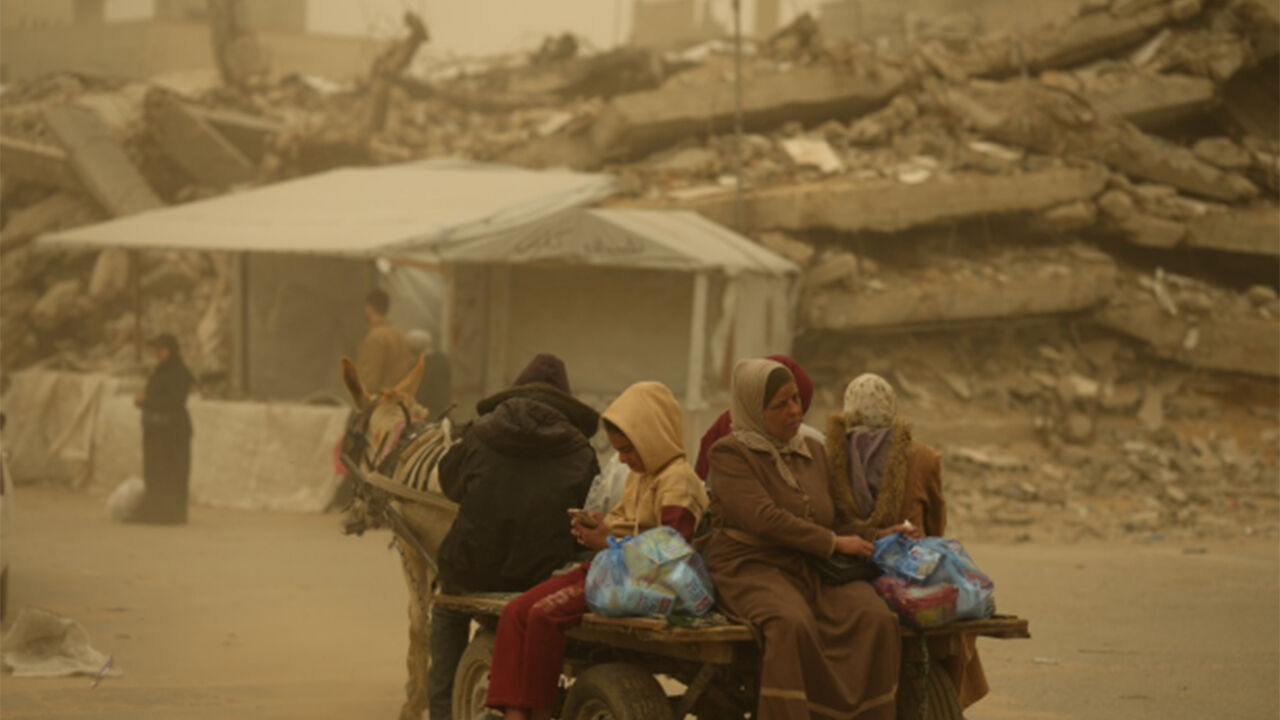
- With vehicles disabled and spare parts unobtainable, working animals have become vital for clearing rubble and moving belongings, while black-market hoarding further inflates costs.
Summary In post-war Gaza, livestock prices have soared to astonishing heights, turning basic working animals into multimillion-won luxury commodities. According to a report by the British daily The Telegraph highlighted in South Korean international coverage, the price of a single donkey has escalated from roughly $1,000 (about 1.35 million KRW) before the war to an eye-watering $30,000 (approximately 40 million KRW). Horses are now trading between 34.8 million and 39.1 million KRW, while sheep command between 8 million and 10.8 million KRW, with even one-week-old lambs fetching up to 1.35 million KRW.
The steep surge in prices stems directly from three years of conflict between Israel and Hamas, which devastated local livestock populations and crippled transportation infrastructure. With motor vehicles rendered inoperable due to destroyed roads and an acute shortage of basic automotive spare parts, working animals have become indispensable lifelines. Donkeys, in particular, are vital for clearing heavy rubble, hauling garbage, and transporting family belongings across ruined streets.
Local veterinarian Dr. Ahmad Thabet, who trained in Jordan and Germany and works with support from the UK charity Safe Haven for Donkeys, explained that such valuations reflect the stark economic reality on the ground: working animals are practically the sole viable means to haul goods and generate income in current conditions. However, he noted that the crisis is exacerbated by profiteering black-market operators who accumulated illicit gains by intercepting humanitarian aid and are now hoarding livestock to monopolize local transit. Although temporary ceasefires have improved the flow of humanitarian aid, reports from organizations like the UN World Food Programme (WFP) emphasize that most families in the Gaza Strip continue to face severe obstacles in accessing markets and essential resources.
Sponsored · Ad