Cyberattack Turns Refrigerators into Heaters Across 700 Supermarkets in France
Key Points
- Hackers remotely forced commercial refrigerators across approximately 700 French supermarkets to heat up to 50°C overnight, forcing massive food disposal.
- The story quickly trended across Korean outlets due to the unprecedented and surreal method of weaponizing supermarket cold-storage infrastructure without any ransom demands.
- Investigators revealed the breach exploited outdated legacy refrigeration management systems lacking software updates, underscoring broader food security vulnerabilities in connected retail logistics.
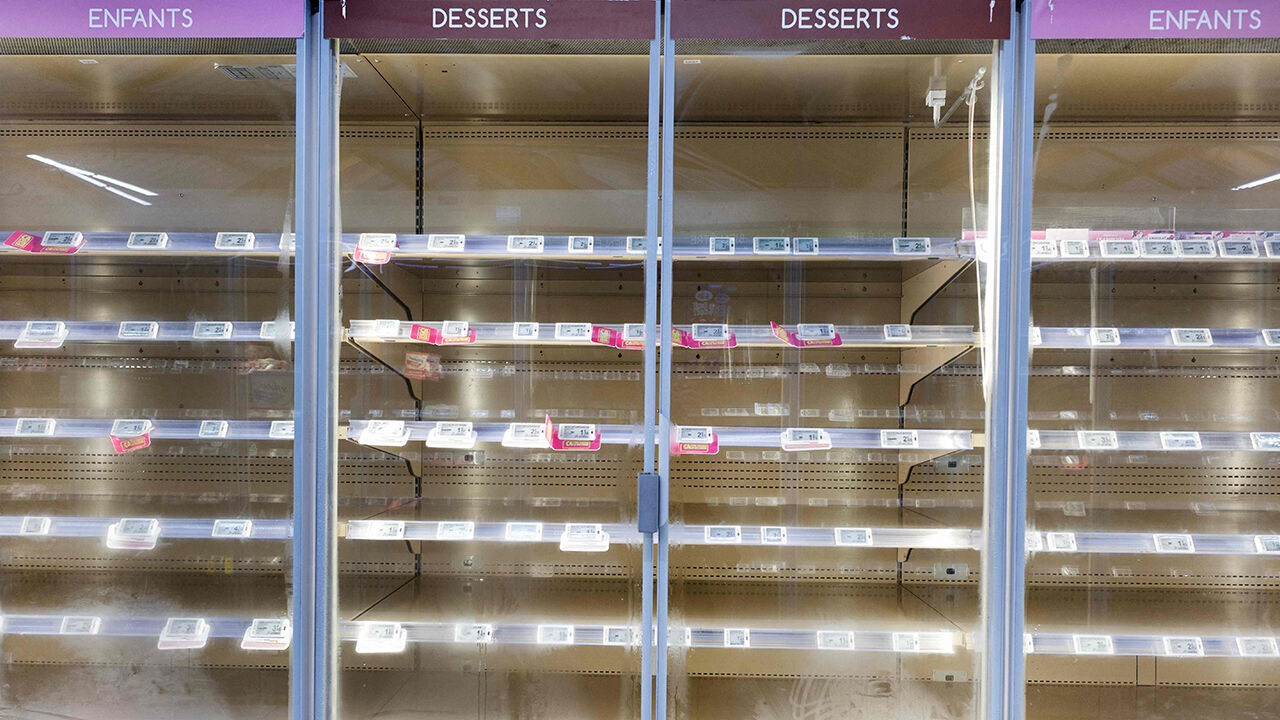
Summary A bizarre and alarming cyberattack swept through French retail chains, turning commercial refrigeration units into heating chambers and sparking widespread concern over food security infrastructure. According to French government tallies reported by domestic media in South Korea, approximately 700 supermarkets nationwide—out of roughly 10,000 locations—suffered major disruptions when hackers remotely manipulated connected refrigeration systems, spiking internal temperatures up to 50 degrees Celsius (122 degrees Fahrenheit) overnight between October 11 and 12.
French Economy Minister Roland Lescure addressed lawmakers on October 13, emphasizing that while overall national food supply chains remain intact, the cyber incident directly struck at the heart of food security, serving as an urgent wake-up call. The Paris Prosecutor's Office cybercrime unit launched a formal investigation into the attack, assessing widespread inventory spoilage and evaluating potential risks such as store electrical fires caused by overheated refrigeration compressors.
Initial findings point to basic cybersecurity vulnerabilities in legacy industrial equipment. Danish refrigeration management giant Danfoss revealed that the impacted systems were older models no longer receiving regular software or security patches, leaving them vulnerable to external intrusion. Interestingly, unlike typical ransomware campaigns where malicious actors demand ransoms or cite political motivations, no hacker collective or individual has claimed responsibility for this nationwide disruption, leaving French investigative authorities baffled.
The unusual nature of the attack captured significant attention across Korean media and online discussion forums, where smart devices, IoT appliances, and digital grocery networks are deeply integrated into daily consumer life. Observers in South Korea, known for its extensive digital cold-chain infrastructure powering lightning-fast dawn delivery services, viewed the European supermarket incident as a cautionary tale illustrating how vulnerable everyday food preservation systems can be when connected devices lack continuous security updates.
Sponsored · Ad