EU to Cap Chinese Hybrid Car Imports at 350,000 Units Annually Under Landmark Trade Safeguard
Key Points
- The European Union plans to implement a four-year safeguard limiting hybrid vehicle imports from China to 350,000 units in the first year, with the cap rising 6 percent annually.
- The move follows high-level economic negotiations in Beijing that could cut Chinese hybrid shipments to the EU by over half while granting tariff relief on European auto parts and olive oil.
- Structured to align with WTO non-discrimination principles, the measures cover both standard and plug-in hybrids across all origin countries, reflecting broader global industrial and green-vehicle tra
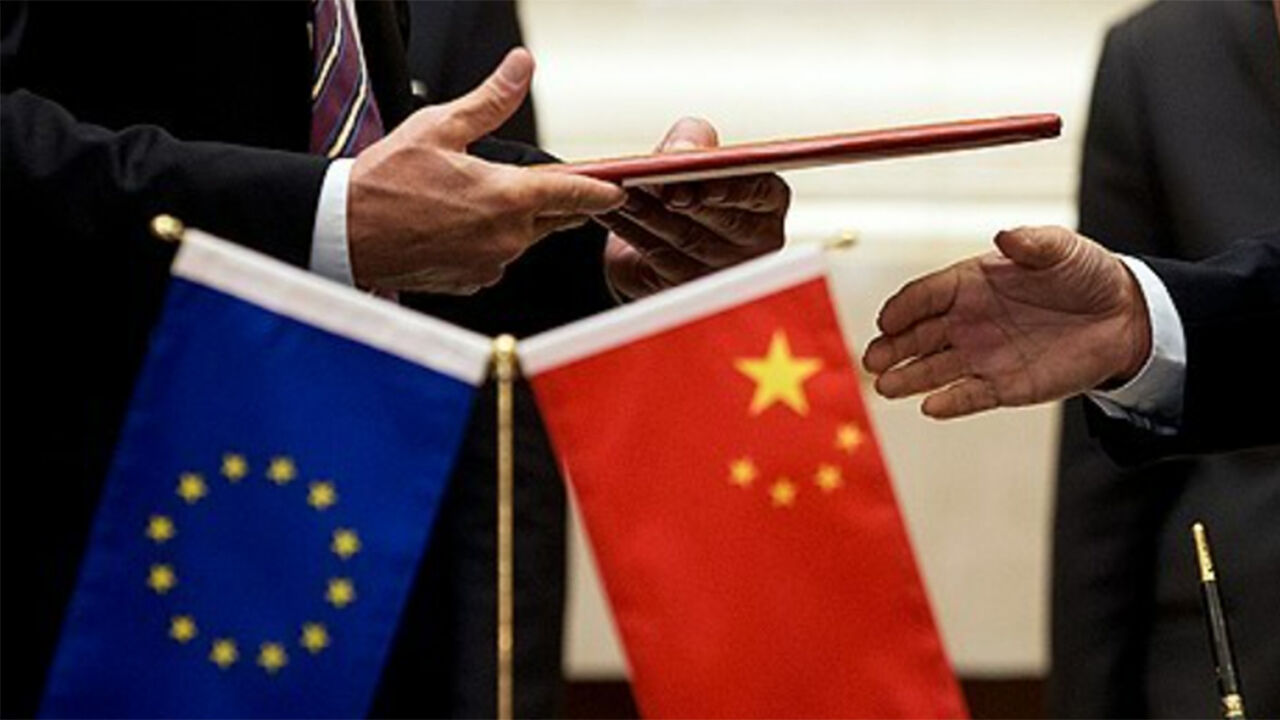
Summary The European Union has moved to place a strict cap on hybrid automobile imports, agreeing on safeguard measures that will limit Chinese-made hybrid vehicle shipments to 350,000 units annually starting December 1, according to Bloomberg reports cited by Korean media.
Under the framework outlined during the second China-EU Economic and Trade Consultation held in Beijing between Chinese Commerce Minister Wang Wentao and EU Trade Commissioner Maroš Šefčovič, the safeguard measure will be enforced over a four-year period. Following an initial annual cap of 350,000 units in the first year, the quota will increase by 6 percent each subsequent year. Crucially, the agreement encompasses both conventional hybrid electric vehicles (HEVs) and plug-in hybrid electric vehicles (PHEVs).
To maintain compliance with World Trade Organization (WTO) non-discrimination rules, the import restrictions formally extend across all hybrid vehicles entering the EU regardless of origin, including nations holding free trade agreements (FTAs) with the bloc. However, terms stipulate that China's specific ceiling will not be set lower than that of any other importing country.
In remarks following the talks, Commissioner Šefčovič emphasized that reaching a common understanding to regulate Chinese hybrid exports creates the potential to reduce China's hybrid shipments to the EU by more than half. In return, Beijing has agreed to lower tariffs on select European goods, including automobile parts and olive oil, a concession expected to yield European businesses savings of at least €225 million (around 338 billion Korean won). The deal highlights ongoing strategic tensions and delicate trade compromises between major global economies balancing clean-energy transitions and domestic industrial safeguards.
Sponsored · Ad