Administrative Red Tape Leaves Korea's Elite Shooters Locked Out of Training Center Ahead of LA 2028 Qualifier
Key Points
- South Korea's national shooting team was barred from entering the Jincheon National Training Center due to delayed administrative approvals ahead of the ISSF World Championship in Doha.
- The dispute arose after the Korean Sport & Olympic Committee withheld national athlete certifications following an appeal over procedural changes within the Korea Shooting Federation's selection commi
- Denied centralized camp training and medical checks, athletes had to assemble individually at Incheon Airport, leaving one shooter's participation in jeopardy due to an unchecked knee injury.
Summary South Korea’s national shooting team, which captured global attention with a record haul of three gold and three silver medals at the 2024 Paris Olympics, has hit an unexpected administrative stumbling block right at the onset of its campaign for the 2028 Los Angeles Olympics. Due to procedural paralysis between governing bodies, national team shooters were barred from entering the Jincheon National Training Center ahead of the crucial International Shooting Sport Federation (ISSF) World Championship in Doha, Qatar.
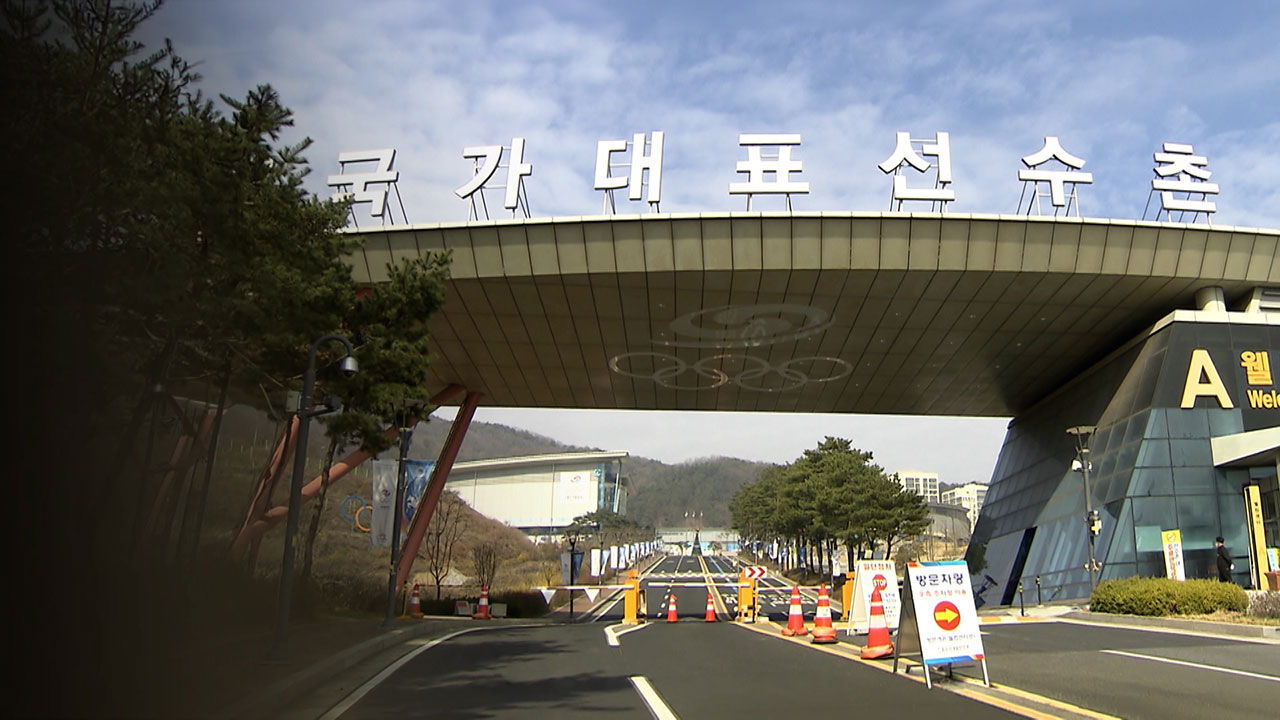
In South Korean elite sports culture, the Jincheon National Training Center (진천국가대표선수촌) serves as the sacred cradle and centralized high-tech hub for Olympians. Located in North Chungcheong Province, the complex is where athletes gather under strict supervision for intensive camp training, conditioning, and medical assessments before high-stakes international competitions. However, instead of reporting to Jincheon for synchronized pre-tournament preparation and medical checks, the squad was forced to disperse and assemble individually at Incheon International Airport on the night of departure. The lack of prior medical oversight proved costly: one shooter arrived at the airport with a pre-existing knee injury, casting serious doubt on their ability to compete in Doha, where three direct Olympic quotas per event are up for grabs.
The administrative gridlock stems from an internal dispute within the Korea Shooting Federation. Following the 2026 Aichi-Nagoya Asian Games, the federation dismissed the members of its existing Performance Improvement Committee and established a new committee to select the 2027 national roster. The ousted members promptly filed an official appeal with the Korean Sport & Olympic Committee (KSOC), the nation's overarching collegiate athletics authority. In response, KSOC temporarily suspended the official national athlete status of the newly selected roster pending a review of procedural legitimacy and fairness. Because official athlete certification was put on hold, the shooters were technically ineligible under KSOC bylaws to enter the state-run Jincheon facility.
The standoff highlights contrasting priorities within Korean sports governance. Federation officials voiced frustration, arguing that top-ranked athletes qualified automatically based on pure merit regardless of committee disputes and should not suffer the consequences of bureaucratic deadlock. Meanwhile, KSOC defended its strict stance by emphasizing that recruitment fairness and procedural integrity remain paramount social priorities in contemporary South Korea, though it noted special measures were taken to ensure the athletes could still travel and participate in the Olympic quota event.
Sponsored · Ad