Massive 37-Year-Old Buddhist Pagoda in Chiang Mai Collapses Following Heavy Rains
Key Points
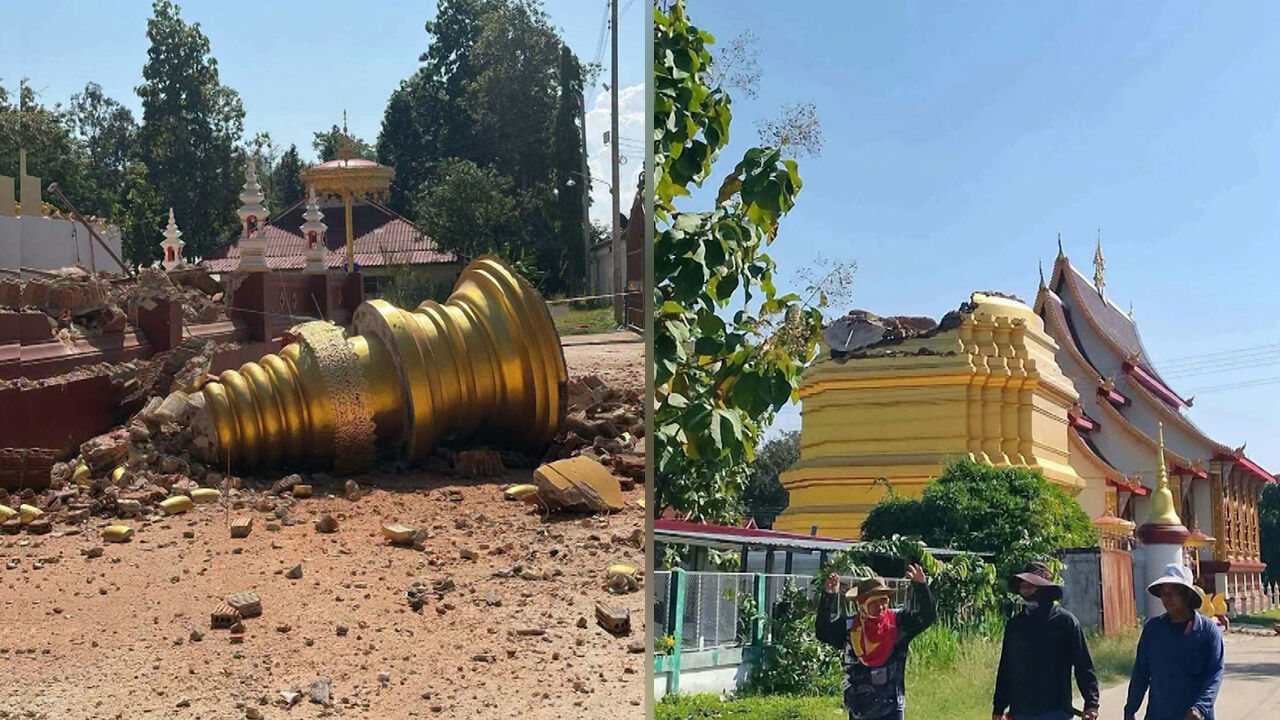
- The upper portion of a massive 37-year-old Buddhist pagoda at a temple in Chiang Mai, Thailand, suddenly collapsed with a thunderous roar.
- Footage of the dramatic collapse was widely spotlighted on Korean morning broadcast news as a startling international incident.
- Built by local residents in 1989, the pagoda succumbed to structural instability after heavy overnight rains seeped into the interior, prompting authorities to cordon off the area.
Summary Dramatic footage captured the sudden collapse of a massive 37-year-old Buddhist stupa (pagoda) in Chiang Mai Province, Thailand, sending shockwaves across international news segments and social media feeds in South Korea. The sudden destruction occurred before anyone on site could react, leaving the revered structure partially reduced to rubble in seconds.
According to reports broadcast by SBS, the top section of the grand pagoda abruptly gave way with a deafening roar, raining debris and heavy structural fragments onto the temple grounds below. Built by local community members in 1989, the pagoda had stood as a central symbol of spiritual devotion for nearly four decades.
Initial assessments by local Thai authorities point to heavy torrential rains the night before as the primary culprit. Water reportedly seeped deep into the interior masonry and foundations of the aged spire, destabilizing the inner core until the uppermost tiers could no longer support their own weight. Following the incident, authorities swiftly cordoned off the temple grounds and restricted public access to prevent potential injuries from secondary collapses while conducting structural safety investigations.
In East Asian media and particularly Korean viral news reporting, sudden architectural collapses of historic and sacred monuments frequently draw intense attention. Korean broadcast segments like SBS Morning Wide regularly spotlight startling international events under viral world news segments, engaging audiences intrigued by architectural heritage, the unpredictable impact of severe weather events, and the vulnerability of cherished community landmarks.
Sponsored · Ad