South Korea Advances to Semifinal Qualifying Playoff at FIBA U-18 Women's Asia Cup
Key Points
- South Korea's U-18 women's basketball team finished second in Group A with a 2-1 record after falling to Australia, following earlier wins against New Zealand and the Philippines.
- Advancing to the playoff stage keeps Korea's hopes alive for a top-four tournament finish, which secures qualification for next year's FIBA U-19 Women's World Cup.
- High school standouts Lim Yeon-seo and Lee So-hee led the squad, representing traditional Korean high school sports programs that serve as the main pipeline for national basketball talent.
Summary South Korea's under-18 women's national basketball team has secured a spot in the qualification playoffs for the semifinals at the 2026 FIBA U-18 Women's Asia Cup in Seremban, Malaysia, after wrapping up group play with two wins and one loss.
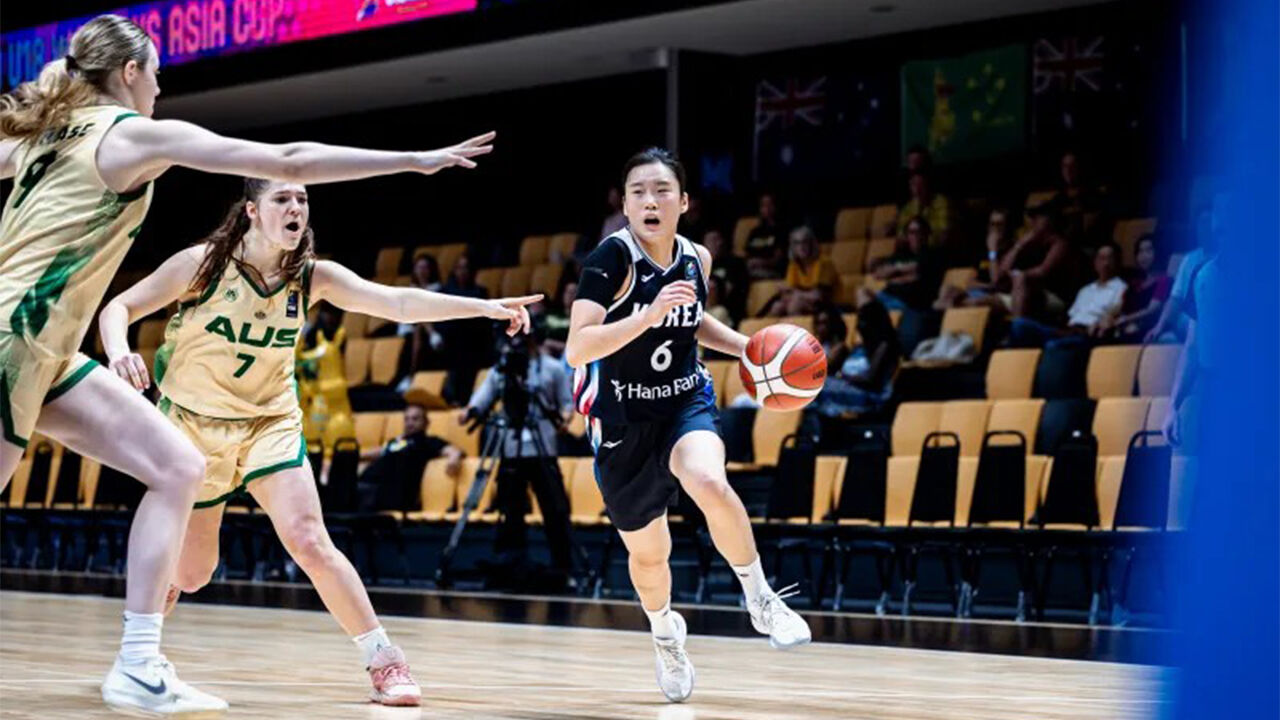
Guided by head coach Lee Young-hyun, the young squad faced powerhouse Australia in their final Group A fixture on October 6, enduring a tough 56-92 defeat. Despite the lopsided scoreline against the physically imposing Australian side, Korea's earlier back-to-back victories against New Zealand on October 4 and the Philippines on October 5 ensured they finished second in Group A behind undefeated Australia (3-0).
Under the competition's tournament format, eight participating nations are divided into two groups of four. Only the top team from each group earns a direct bye into the semifinals, while the second- and third-placed teams cross over in playoff matches to compete for the remaining semifinal berths. For Korea, the tournament carries massive stakes: securing a top-four finish guarantees a coveted qualification ticket to next year's FIBA U-19 Women's Basketball World Cup in China.
Throughout the match against Australia, high school standouts Lim Yeon-seo of Soopia Girls' High School and Lee So-hee of Sookmyung Girls' High School led Korea's offensive charge. Lim tallied a team-high 16 points, while Lee contributed 11 points with spirited perimeter play. However, Korea struggled against Australia's size and interior dominance, being decisively out-rebounded 32 to 54, which limited second-chance opportunities and defensive transitions.
In South Korea, high school athletic programs like those at Soopia and Sookmyung serve as the historical backbone and primary talent pipeline for elite sports, carrying decades of tradition in developing national team mainstays and professional WKBL (Women's Korean Basketball League) prospects. Youth tournaments like the FIBA Asia Cup offer these rising student-athletes critical international exposure against world-class competition.
With their group-stage run complete, Korea will now prepare for their high-stakes playoff match on October 8 to fight for a semifinal berth, followed by the semifinals on October 9 and the tournament medal matches on October 10.
Sponsored · Ad