Supermarket Hackers Strike Again: Mystery Cyberattacks Turn Freezers Warm Across Belgium and Luxembourg
Key Points
- Cyberattacks targeting commercial refrigeration systems struck dozens of supermarkets across Belgium and Luxembourg, driving freezer temperatures up to 15°C overnight.
- The incident follows a massive attack in France that hit around 700 stores, drawing attention in Korea as an alarming new form of infrastructure sabotage.
- Store managers deployed emergency refrigerated trucks and raced against the clock before dawn to prevent extensive inventory losses.
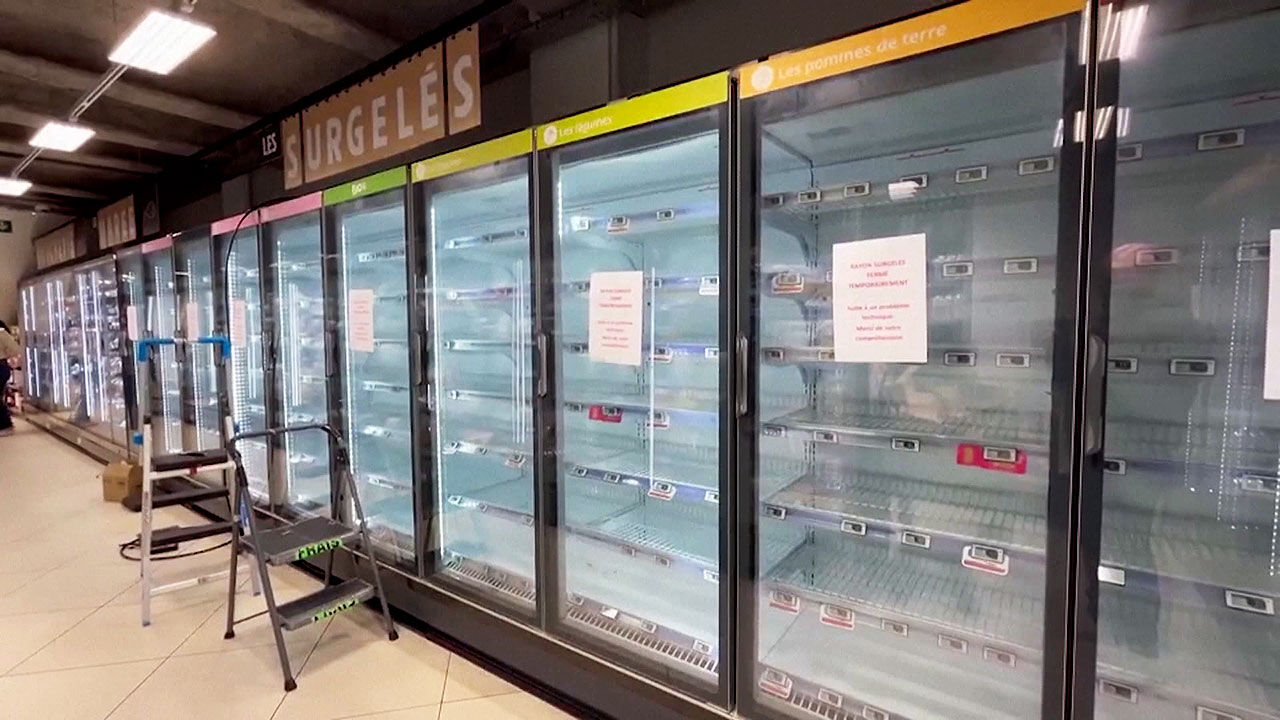
Summary A bizarre wave of cyberattacks targeting commercial refrigeration systems has spread across Europe, hitting supermarkets in Belgium and Luxembourg after an earlier mass disruption in France. Supermarket chains Delhaize and Carrefour Belgium reported overnight IT disruptions between November 1 and 2 that caused cooling systems across dozens of outlets to malfunction, sending internal refrigerator and freezer temperatures soaring.
According to Belgian reports, store managers were jolted awake around 4:00 a.m. by automated emergency alerts signaling that cooling temperatures were rising uncontrollably, reaching up to 15 degrees Celsius (59 degrees Fahrenheit) in units designed to keep perishables safely chilled. Staff rushed to stores before dawn in a desperate effort to minimize spoilage and inventory losses, with several locations calling in emergency refrigerated trucks to rescue threatened food stocks. Delhaize reported around 40 affected stores, while Carrefour Belgium confirmed issues at 15 branches.
The attack follows an even larger incident in France just weeks earlier, where nighttime cyber attacks targeted supermarket cooling units across roughly 700 stores, reportedly resetting thermostat settings to a blistering 50 degrees Celsius. Dutch retail conglomerate Ahold Delhaize, the parent company of Delhaize, confirmed it was investigating the IT incident affecting stores in Belgium and Luxembourg, noting it had also reported a cybersecurity breach to Dutch police in the preceding month.
While international news often focuses on data breaches and financial ransomware, this peculiar strain of cyber sabotage targeting physical food supply infrastructure has captured attention in South Korea. Known as a hyper-connected society where automated logistics, smart cold-chain operations, and early-morning grocery delivery ('saebyeok baesong') are everyday essentials, Korean media highlighted how vulnerable essential everyday food systems are when internet-connected industrial controls are compromised.
Sponsored · Ad