Can Silicon Valley Break the 150-Year Barrier? Why Tech Titans Are Investing Billions in Immortality
Key Points
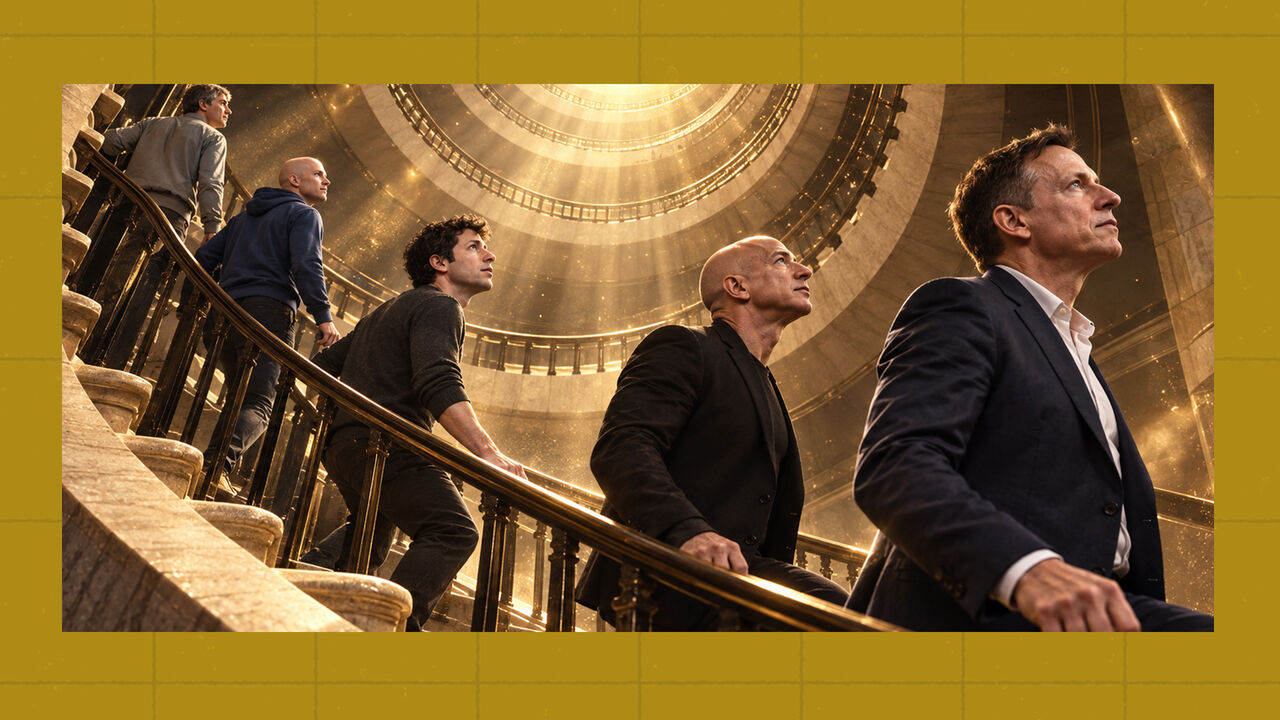
- Tech moguls including Peter Thiel, Jeff Bezos, and Sam Altman are pouring tens of billions into biotechnology startups aiming to reverse cellular aging using Yamanaka factors and AI.
- The topic has captured widespread Korean attention as deep-dive features analyze whether modern science can genuinely extend the human lifespan beyond theoretical limits.
- While humans have historically revered longevity—such as through Korea's traditional 'Sipjangsaeng' symbols—recent studies suggest accumulated somatic mutations still present a biological wall near 15
Summary From ancient Korean folklore featuring the Sipjangsaeng—ten traditional symbols of longevity like tortoises and cranes—to modern Silicon Valley boardrooms, the human pursuit of conquering mortality is taking an extraordinary turn. A deep-dive analytical feature from Korean broadcaster SBS explores why prominent tech billionaires, including Peter Thiel, Jeff Bezos, and Sam Altman, are pouring tens of billions of dollars into biotech startups aiming to rewrite the biology of aging.
Silicon Valley's quest to treat death not as an inevitability, but as a biological obstacle to be overcome, has deep roots. As early as 2004, PayPal co-founder Peter Thiel was hosting debates with pioneering biogerontologists like Cynthia Kenyon and Aubrey de Grey. Since then, capital has flooded into anti-aging ventures: investment into longevity biotech surged from $4.7 billion in 2024 to $18.4 billion the following year, with over $12.1 billion deployed in 2026 alone. Major tech powerhouses are backing ambitious projects, such as Jeff Bezos-backed Altos Labs, Google's Calico, Retro Biosciences (heavily funded by Sam Altman), and Coinbase co-founders' NewLimit.
At the heart of the latest breakthroughs is cellular reprogramming, which builds upon the Nobel Prize-winning discovery of Yamanaka factors—specific transcription factor proteins that can reset specialized somatic cells back into pluripotent stem cells. Researchers realized that before fully reverting into stem cells, aged cells first experience an epigenetic "rewinding" of their biological age. In animal trials using mice afflicted with premature aging, intermittent activation of these factors extended survival rates by roughly 33%. Research has recently progressed to human trials, including clinical studies by biotech spin-offs from Harvard University aiming to reverse cellular age and restore vision in glaucoma patients.
Artificial intelligence is playing a pivotal role in accelerating this frontier. While human genes contain approximately 1,600 transcription factors, testing every combination manually is nearly impossible. Modern longevity startups are deploying AI to predict new combinations and optimize existing Yamanaka factors to supercharge cellular rejuvenation without causing cancerous abnormalities.
However, scientific boundaries remain daunting. Recent collaborative studies from the Skolkovo Institute of Science and Technology indicate that even if medical technology successfully reverses standard aging damage, somatic cell mutations—genetic alterations accumulating during DNA replication and repair throughout a person's lifespan—pose an ultimate biological ceiling. Because critical tissues like cardiac myocytes and brain neurons rarely regenerate, accumulated somatic mutations may cap median human life expectancy around 150 years. Nonetheless, with rapid demographic shifts and mounting social costs associated with age-related illnesses globally, the pursuit of anti-aging technology remains one of the world's most lucrative and closely watched frontiers.
Sponsored · Ad