New Yalu River Bridge Opens After 12 Years as North Korea and China Launch Major Border Crossing
Key Points
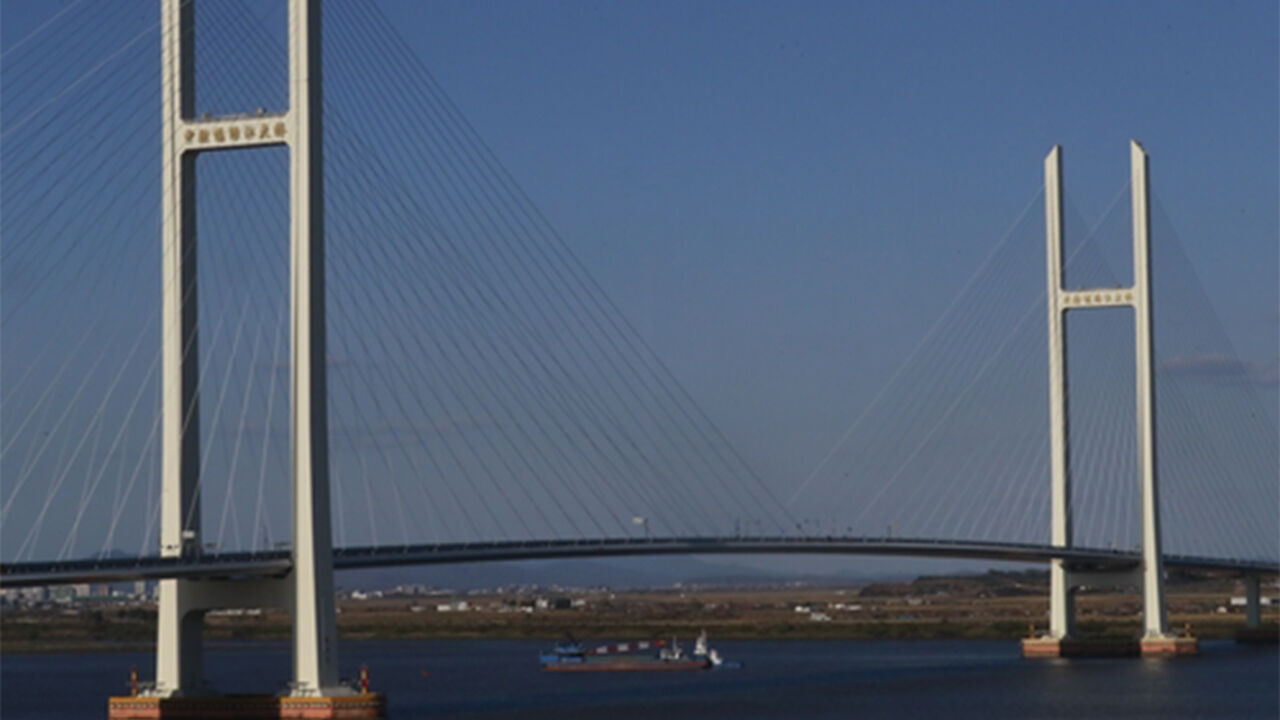
- China and North Korea are holding a joint ceremony to officially open the 3,026-meter New Yalu River Bridge twelve years after its completion in 2014.
- The opening is notable as a tangible signal of reviving North Korea–China ties following high-level summits and a post-pandemic rebound in bilateral cross-border trade.
- The modern four-lane bridge was built to relieve the aging 1943 Sino-Korean Friendship Bridge, though initial operations will center on freight as regular tourism and visa processing remain limited.
Summary After standing completed yet unused for twelve years, the New Yalu River Bridge connecting Dandong in China's Liaoning Province to Sinuiju in North Korea's North Pyongan Province is officially opening with a joint bilateral ceremony. Chinese Foreign Ministry spokesperson Mao Ning confirmed the formal launch, describing the two nations as friendly neighbors sharing mountains and rivers and highlighting the bridge as a vital facility designed to boost mutual connectivity, economic and trade exchanges, and people-to-people travel.
The four-lane, 3,026-meter-long bridge was originally constructed in 2014 at a cost of approximately 2.2 billion yuan (around 440 billion Korean won) financed by China. It was envisioned as a modern replacement for the heavily congested Sino-Korean Friendship Bridge, a historic structure completed in 1943 during the colonial era that carries a single rail track alongside a single roadway lane. However, despite the main span being finished over a decade ago, traffic across the new crossing remained frozen because North Korea had long left its connecting roads and customs inspection infrastructure unfinished, turning the bridge into a stark symbol of diplomatic inertia.
In recent years, the dormant bridge also mirrored chilly bilateral relations. Since 2024, when Pyongyang dramatically deepened military and economic cooperation with Russia amid the war in Ukraine, high-level exchanges between North Korea and China dwindled, with Beijing dispatching lower-ranking officials to commemorative events. A turnaround began gathering momentum after North Korean leader Kim Jong Un attended China’s 80th Victory Day military parade last September. High-level diplomacy resumed swiftly: international passenger rail service restarted in March after a six-year hiatus, Chinese Foreign Minister Wang Yi visited Pyongyang in April, and a bilateral summit between Kim and Chinese President Xi Jinping took place in June.
Driven by this political thaw, cross-border commerce has rebounded significantly. Bilateral trade surged 19.6 percent year-on-year in the first half of the year to 1.51 billion dollars, with 2025 annual trade reaching roughly 98.1 percent of pre-pandemic levels. Preparations at the New Yalu River Bridge reached a fever pitch in recent days, with finished customs buildings, freshly repaved and painted transit lanes, and test drives of trucks and passenger vehicles, culminating in the mounting of large North Korean and Chinese national flags at the bridge towers.
While the opening marks a logistical breakthrough to alleviate decades-old bottleneck pressures along the Dandong–Sinuiju corridor, analysts note that the initial economic impact will be focused primarily on commercial freight. Normal people-to-people exchanges, such as group tours for Chinese travelers and regular visa issuances, have yet to fully resume. Nevertheless, coming just weeks after North Korea and Russia opened their own new vehicle bridge linking Rason and Khasan, the New Yalu River Bridge solidifies Pyongyang's efforts to fortify overland transport gateways with its northern neighbors.
Sponsored · Ad