Two UAE Merchant Ships Sink in Strait of Hormuz Following Iranian Missile Strikes
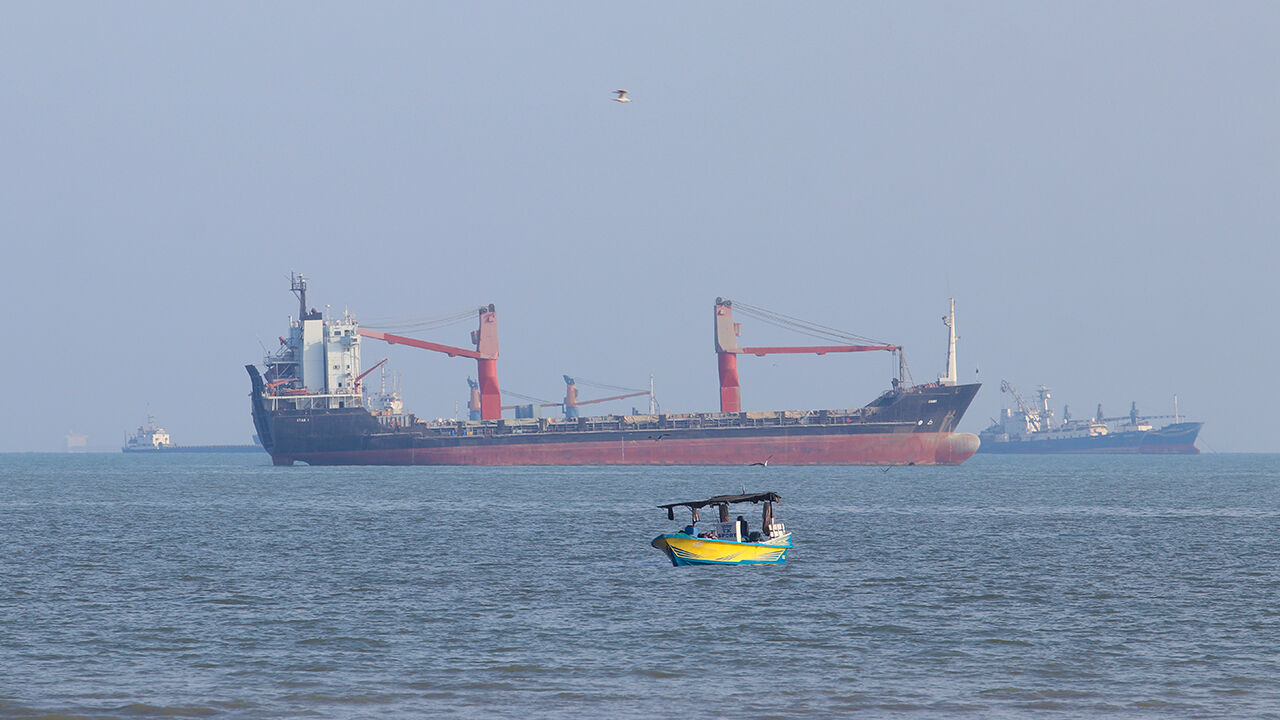
Key Points
- Two UAE-owned cargo vessels, the GFS Pride and Cape Dao, sank in the Strait of Hormuz within 24 hours following projectile attacks.
- The incident marks the highest weekly rate of commercial ship attacks in the strait since the conflict intensified, drawing major coverage across South Korean media given global supply chain dependenc
- The attacks reflect escalating friction between U.S. naval operations enforcing export blockades and Iranian forces contesting passage through critical regional oil transit corridors.
Summary Two cargo ships owned by United Arab Emirates maritime operators have sunk in the Strait of Hormuz within a single 24-hour period following missile strikes, marking an alarming escalation in attacks targeting commercial shipping across the Persian Gulf.
According to reporting from The Wall Street Journal and maritime authorities, including Pakistan's hydrographic department and private security intelligence firms, the vessels were identified as the container ship GFS Pride and the bulk carrier Cape Dao. The GFS Pride was struck by an unidentified projectile approximately 1.8 kilometers east of Ras Makhbuq, Oman, on October 13. While all crew members were safely evacuated after a fire erupted on board, the ship succumbed to structural damage and sank the following day. Iran's Islamic Revolutionary Guard Corps (IRGC) subsequently released footage purported to show the sinking vessel, alleging that it carried roughly 2,500 containers laden with contraband through a designated hazardous corridor.
Meanwhile, the Cape Dao sank after enduring a three-week struggle following an attack on September 23, during which two projectiles struck its port side off Khasab, Oman. The vessel, transporting approximately 170,000 tons of coal from the UAE to India, suffered the loss of one Indian crew member during the initial strike. While minor missile and drone strikes against commercial traffic have become frequent amidst regional conflicts, complete sinkings of merchant vessels remain exceedingly rare—the last comparable incident occurring roughly seven months prior when the Malta-flagged Seafin Prestige sank following an engine room fire.
The surge in attacks comes against the backdrop of intense geopolitical maneuvering between Washington and Tehran. Maritime analytics firm Windward AI reported a record 12 commercial vessel attacks in the strait over the past week alone, with October casualties already surpassing the total recorded for September. With U.S. naval blockades sharply curtailing direct Iranian crude exports, regional energy flows from other Gulf nations had begun rebounding toward 18.2 million barrels per day. Although U.S. leadership declared full control over the strait and a comprehensive blockade on Iranian ports, IRGC naval commanders publicly challenged the assertion, warning that any vessel traversing disputed zones under Western military escort would remain vulnerable to severe retaliation.
Sponsored · Ad