World's Coral Reefs Face Threat of Complete Collapse Within 50 Years, Landmark Study Warns
Key Points
- The International Union for Conservation of Nature (IUCN) revealed at the UN Biodiversity Conference that 96% of shallow coral reef ecosystems could vanish by 2075 due to rising sea temperatures and m
- The report gained attention across major Korean news outlets as climate change increasingly threatens marine biodiversity hotspots including the Great Barrier Reef and the Coral Triangle.
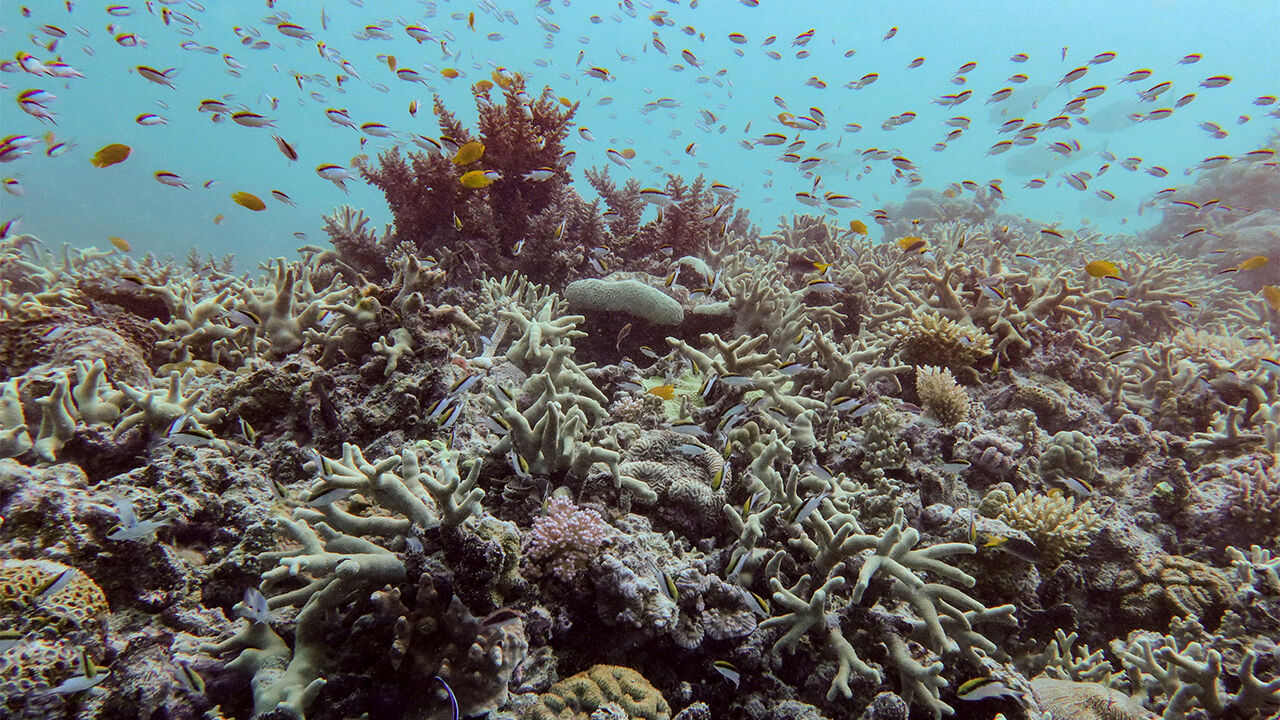
- Known as the 'rainforests of the sea,' coral reefs support 25% of all marine life and protect shorelines, prompting urgent global calls for steep greenhouse gas reductions.
Summary A stark scientific warning has reverberated across South Korean media following the release of an alarming environmental assessment from the International Union for Conservation of Nature (IUCN). Presented at the UN Biodiversity Conference held in Albania, the first-ever Red List of Ecosystems assessment for coral reefs revealed that 96 percent of shallow-water coral reef ecosystems are already facing severe threats of collapse and could vanish entirely by 2075.
Often revered as the "rainforests of the sea" (바다의 열대우림), coral reefs occupy a critical place in planetary health despite covering only a fraction of the ocean floor. According to the IUCN report—which analyzed 127 tropical and subtropical ecoregions encompassing over 188,362 square kilometers—iconic marine sanctuaries such as Australia's Great Barrier Reef, the Coral Triangle across the Western Pacific and Southeast Asia, and the Red Sea reefs are all facing imminent risks. Human-induced climate change, manifesting in surging sea surface temperatures and unprecedented marine heatwaves, was identified as the primary catalyst pushing these ecosystems to the brink.
This comprehensive assessment follows closely on the heels of a related study published in the prestigious journal *Nature*, which found that 44 percent of reef-building coral species are now threatened with extinction. Beyond harboring a quarter of all marine species, coral reefs serve as natural coastal buffers that shield shorelines and human settlements from severe wave erosion and tropical storms. In her address at the summit, IUCN Director General Grethel Aguilar emphasized the urgency of ambitious greenhouse gas reduction targets alongside sustained investment in coastal ecosystem resilience and the communities that depend directly on marine biodiversity.
In South Korea, major broadcasters like SBS highlighted this global crisis under their international reporting sections, reflecting growing domestic awareness of ocean warming and climate risks. As a peninsula nation with rich marine traditions and rapidly rising surrounding water temperatures, international reports on marine devastation resonate strongly with Korean readers tracking the accelerating pace of global environmental change.
Sponsored · Ad