Aviation Chaos in Europe as Over 27 Passenger Flights Hit by Bomb Hoaxes and Fighter Escorts
Key Points
- More than 27 commercial flights across multiple European airlines were disrupted by false bomb threats, triggering emergency landings and military fighter jet escorts.
- The story gained major attention in Korean media due to deep concerns over global aviation safety and the sheer scale of the coordinated cross-border disruption.
- Threatening emails cited extremist messaging, coming amid heightened European security anxieties and concurrent cyber incidents targeting civil infrastructure.
Summary A wave of coordinated bomb threats targeting commercial flights across Europe has triggered widespread aviation chaos, prompting emergency diversions, groundings, and the scrambling of military fighter jets. According to reports cited by Korean broadcaster SBS, more than 27 passenger flights departing from major European hubs—including Copenhagen, Dublin, Helsinki, Madrid, Milan, and Warsaw—were hit by hoax explosive alerts in a single day, more than tripling the volume of similar threats reported just two days prior.
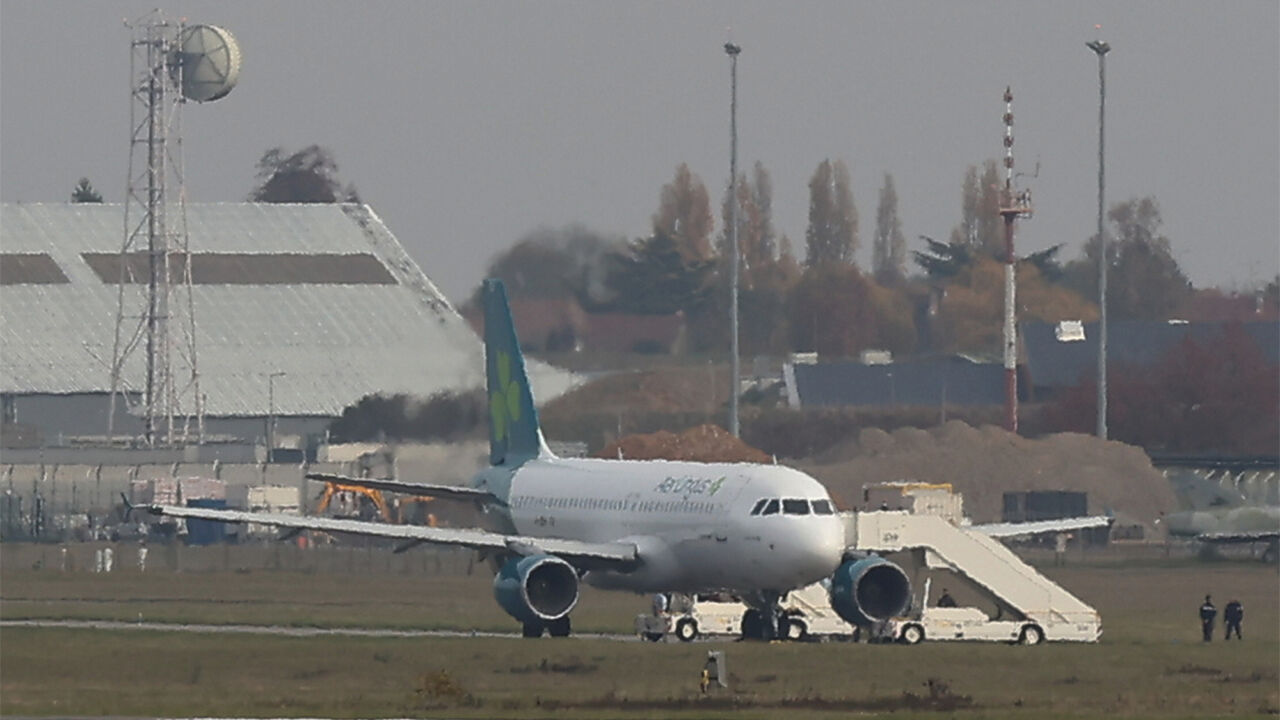
The incident impacted numerous international and regional carriers, including Aer Lingus, Wizz Air, LOT Polish Airlines, Finnair, easyJet, and Iberia. In several alarming episodes, fighter jets were deployed to escort commercial airliners through European airspace. A Finnair flight en route from Helsinki to Rome received an alert that explosives were onboard and was escorted by military jets before landing safely at Rome's Fiumicino Airport. Another flight operated by Aer Lingus, carrying 151 passengers from Dublin to Rome, was forced to divert to the Évreux military airbase in northern France. Similar emergency procedures unfolded in Prague, Vienna, and Sofia, where authorities conducted thorough explosive sweeps; no hazardous or explosive materials were found on any of the inspected aircraft.
Investigators noted that several threatening emails were signed under the name of 'Male State' (남성 국가), a known Russian extremist group. The extortion messages issued violent warnings, claiming aircraft would detonate within 60 minutes and that European 'feminist regimes' would pay the price. While European security officials have not conclusively verified the origins or authenticity of the sender signatures, the aviation threats coincide with broader hybrid security concerns across the continent—including recent coordinated cyberattacks that remotely forced supermarket refrigerators across at least 11 European countries to surge in temperature up to 55°C.
For Korean observers, coverage of international aviation security and public disruption draws widespread attention due to South Korea's heavy reliance on international flight corridors and heightened sensitivity to public transport safety protocols. The incident highlights the growing vulnerability of civil infrastructure to cross-border hoax campaigns and hybrid psychological disruption.
Sponsored · Ad