Australian MP Loses Both Legs in Horrific Car Ramming by Longtime Supporter
Key Points
- Australian federal MP Helen Haines suffered double leg amputations after being intentionally struck and run over twice by an SUV outside her regional office.
- The incident shocked Korean audiences as the arrested suspect turned out to be a long-time acquaintance and active supporter of the lawmaker.
- The assault reflects an alarming international rise in harassment and violence against elected officials, challenging the tradition of open, accessible grassroots politics.
Summary A shocking vehicular assault on a sitting federal lawmaker in Australia has sparked international attention, headlining Korean news broadcasts and highlighting the escalating dangers faced by public figures worldwide.
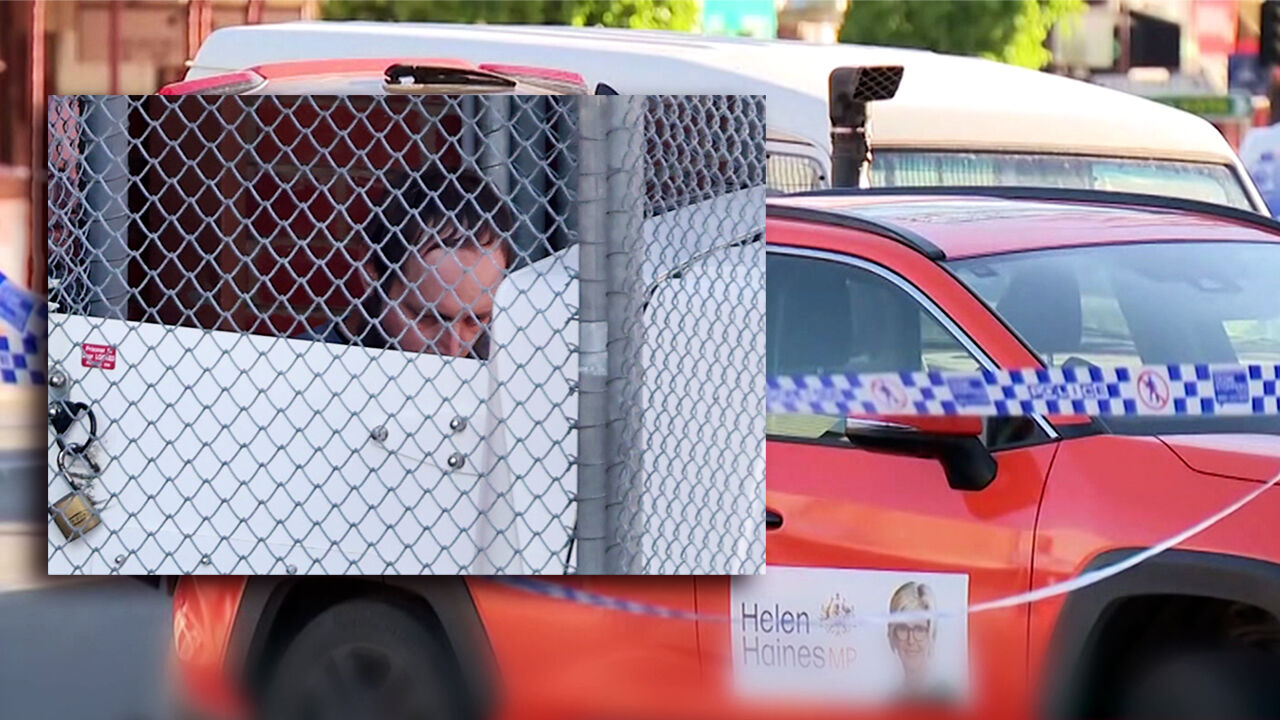
According to a report by SBS News, Australian MP Helen Haines was brutally struck by a white SUV outside her regional electorate office in Wangaratta, a small town roughly 200 kilometers northeast of Melbourne. Eyewitnesses recounted that the vehicle made a deliberate U-turn, struck the lawmaker, and reversed to ram her again while she was unloading luggage from her car trunk. Haines suffered catastrophic injuries and underwent emergency surgery in Melbourne, resulting in the amputation of both her legs.
Adding to the shock of the attack, police arrested 43-year-old Brendan Nugget at the scene. Nugget had previously followed Haines on social media, publicly praised her environmental policies, and campaigned for her 2019 parliamentary bid. Family members revealed that Nugget and Haines had been personal acquaintances for over twenty years, leaving investigators and the local community stunned as authorities pursue multiple charges, including intentionally causing serious injury and harming a Commonwealth public official.
The tragedy has prompted broader reflection in Korean media on the shifting landscape of democratic engagement. Historically celebrated for its accessible, grassroots politics where representatives freely interact with constituents on local high streets, Australia has seen threats and harassment against public officials nearly double over the past four years. With an parliamentary survey showing 85 percent of MPs and staff experiencing verbal or physical hostility, democratic societies are facing an urgent dilemma: how to safeguard the personal safety of elected leaders without walling them off from the public they serve.
Sponsored · Ad